広州の朝茶(飲茶)の注文の仕方:二人でも見栄えよく、無駄なく食べる
This piece is built around “广州早茶怎么点:两个人也能吃得体面不浪费”, but not as a universal answer. I lay out my on-site decision order in 广州: protect energy first, return safety second, then decide whether to add experiences.
In this article, I turn trigger→action→fallback into a reproducible sequence that can be trimmed by your energy and budget.
- Confirm physical feasibility of the next segment;
- verify replenishment and restroom points;
- then decide whether to add photo-oriented stops.
Scene anchor for this article: 广州.
08:30 Enter and observe queue flow first. 11:10 Replenish and recheck afternoon route. 16:40 Evaluate return and proactively drop optional stops.
I rewrote this article in a real travel sequence instead of stacking attractions. I place 广州早茶点单, 粤式点心推荐, and 早茶不踩雷 on one practical route: when to move, where to pause, what to eat, and how to return. Many first-time visitors only check map distance and then lose energy to queues and transfers. This version turns those hidden frictions into an executable one-day plan.
Start with the departure window. Put the most competitive spot in the first morning block, and never burn prime time on gate-finding or random shopping. Keep the middle block for walking and photo observation, and reserve the late block for food and return transfer. The benefit is resilience: even if rain or long queues hit at noon, your whole day does not collapse. This pacing logic is consistent with Ten Chinese Street Snacks: Eating Your Way from North to South and China’s Breakfast Map: Morning Flavors from Eight Cities.
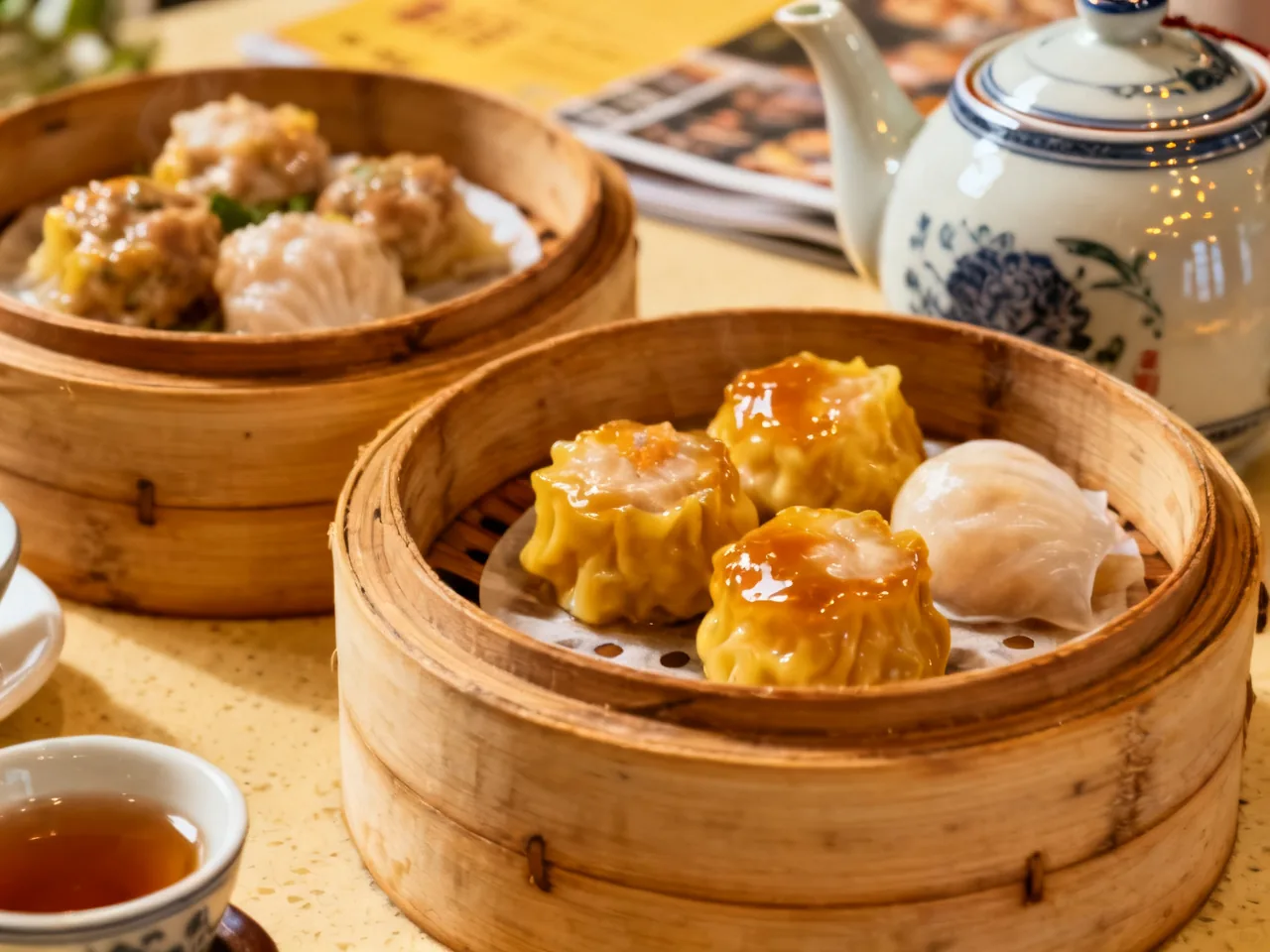
Execution Rhythm
Now the on-site decisions. Most guides tell you what to tick off, but almost none teach what to drop. My rule is simple: if a spot requires over forty minutes of standing and repeats what you just saw, skip it. Reallocate that time to 粤式点心推荐 and neighborhood slow-walking for a more complete experience. For opening rules and holiday variability, I only trust authoritative sources: 中国文化和旅游部官网 Ministry of Culture and Tourism and 中国政府网 China Government Portal.
For food, I do not recommend ordering a full luxury list from the start. Begin with a baseline item, confirm taste and oil-salt level, then add if needed. In busy zones, queue cost affects budget more than menu price. I split eating into two blocks: a 30-40 minute main stop and a sub-15-minute closing snack, so return transfer remains safe.
Budget, Payment, and Return
Payment and mobility redundancy are the most overlooked layer. My checklist always uses dual backup: mobile payment as primary flow, cash or card as fallback. Keep at least two switchable transport options among metro, walking, and short taxi rides. Never bet your entire day on one app or one gate. For payment details, use Hot Pot Ordering Survival Guide: Avoid These Mistakes on Your First Visit as a practical extension.
The author treats slack as strategy, not waste. Slack creates correction room and lets real moments happen.
Stable plans usually look intentionally incomplete because they reserve space for change. (Scene: 广州; topic: 广州早茶怎么点:两个人也能吃得体面不浪费).