西安の回民街で3種類の肉夾饃(ロージャーモー)を食べ比べた:どの店が並ぶ価値があるか
In Xi’an Muslim Quarter, the main trap with roujiamo is not choosing the wrong shop. It is deciding too fast. Smell, queues, and recommendations can make the answer seem obvious before you eat. But the real differences appear in finer details: the chew of the bread, the moisture of the meat, the finish of the spices, and whether one bite leaves enough space for the rest of the night.
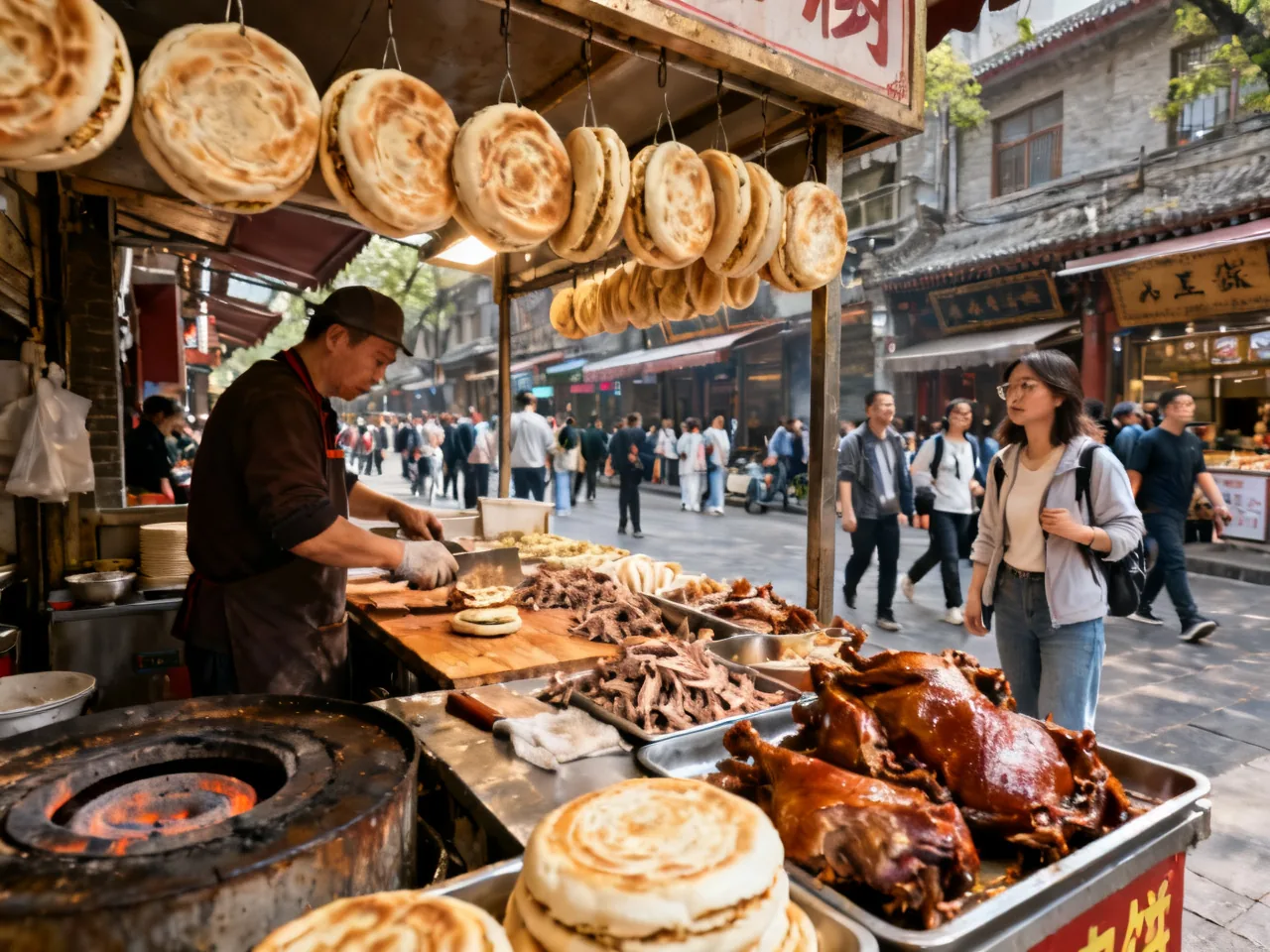
Among the three styles I tried, the one most worth queuing for was usually not the strongest or heaviest. It was the most balanced. The bread held structure, the meat stayed juicy without flooding, and the last bite did not collapse into grease and salt. The roujiamo that earns a return visit is not the one with the loudest first bite, but the one that still works after the second and third.
A Long Line Does Not Automatically Mean You Should Join
Queues in Muslim Quarter can be part theater. Some people line up because a place is excellent, and some because it happens to be the most visible. On a first visit, do not let “the hottest shop” become a command. Better clues are service rhythm, the condition of finished sandwiches in customers’ hands, and the balance between locals and visitors in the same line. Street food often reveals its truth through these details.
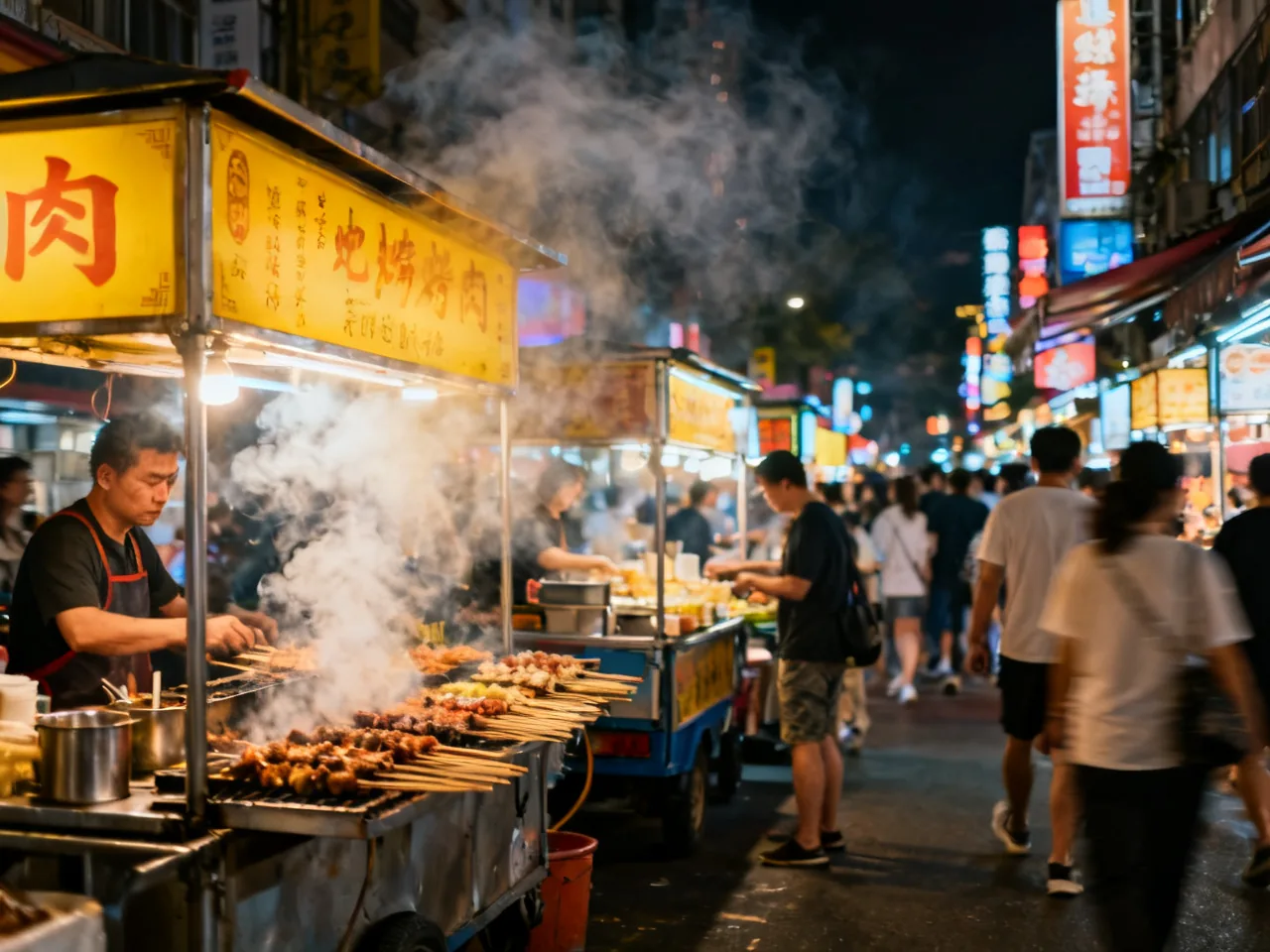
Good Roujiamo Leaves Space for the Rest of the Night
The question I care about most is simple: after eating it, do you still want to keep walking? If one roujiamo shuts down your appetite and flattens the rest of the night, it may not be the right fit for a street-based evening. The best version satisfies you without ending the night too early.
For more Xi’an food reading on the site, continue with another Xi’an night-food article and a comparison piece on regional snacks in China. In Muslim Quarter, the roujiamo most worth queuing for is not the one that makes you shout the loudest. It is the one that still lets the rest of the walk live.