В Китае я научился сначала смотреть на очередь, а потом решать, что есть
I am from Canada, and I used to think the skill I handled best while traveling was finding good food. In China, however, what truly improved was not my sense of taste but my judgment. The first time I went to Chengdu, I was determined to eat only at the most famous places. I ended up standing in two long lines on a popular food street, eating too quickly, and walking back to the hotel feeling dizzy because I was too full. That day I realized that for a foreign traveler, eating is not only about finding delicious dishes. It is a combined decision involving pace, safety, physical energy, and the social environment. After that, I stopped looking only at recommendation lists and learned to observe the queue, the entrance, the tables, and the surroundings before deciding whether I should go in.
When I judge a restaurant now, I look at the “shape” of the line before the “length” of the line. If the queue moves steadily, staff clearly explain the expected wait, and takeaway traffic is separated from dine-in flow, I usually feel the place is well managed and worth waiting for. In contrast, if people are packed together at the entrance, app ordering and on-site payment are mixed, and staff are too rushed to explain the rules, I become cautious even if the online score is high. What foreigners fear most is not waiting itself. It is standing in confusion without knowing where to be, when to speak, or whom to ask if something goes wrong.
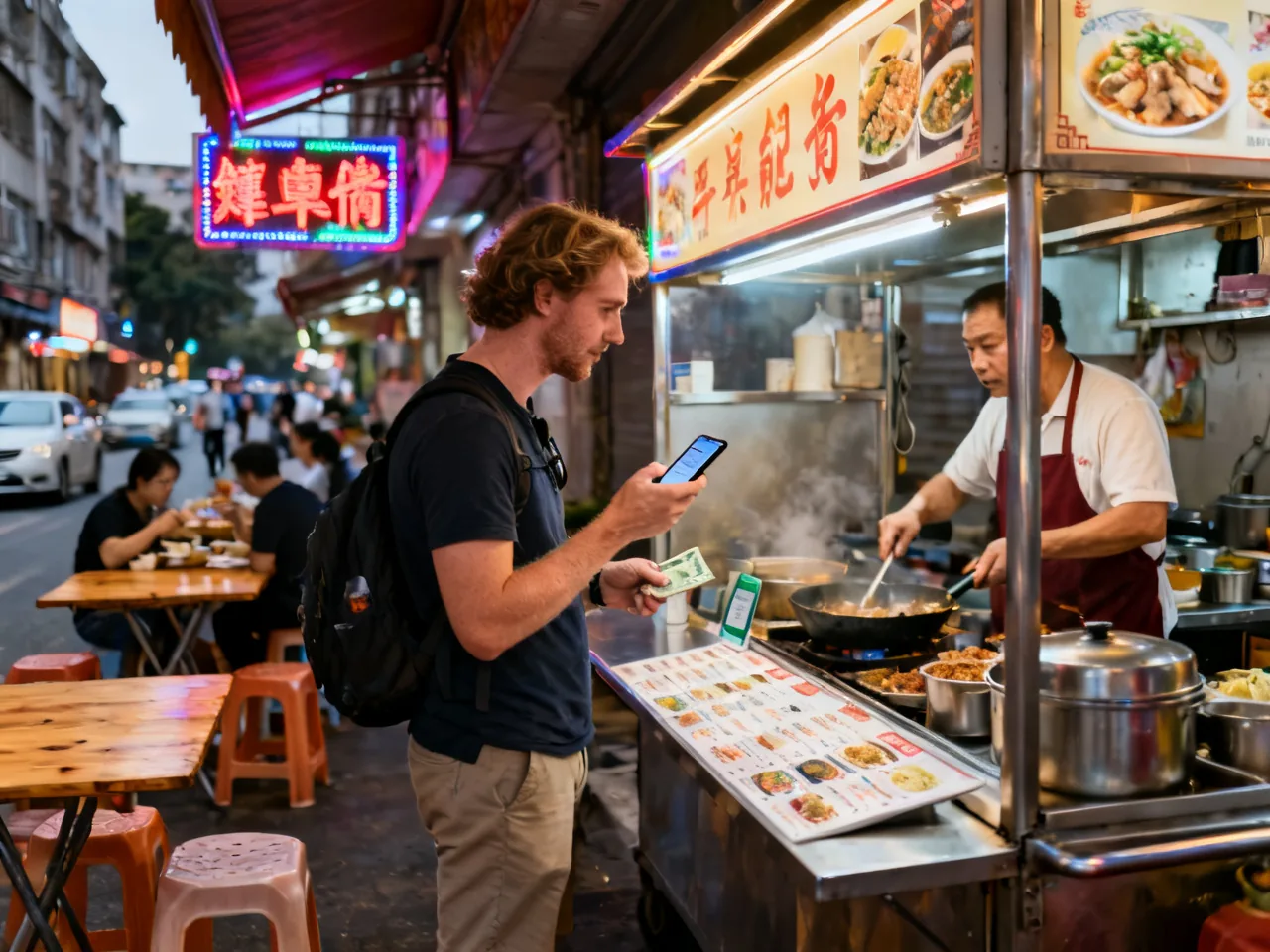
I remember one evening in Chongqing very clearly. I wanted hotpot, and there were two places nearby. One had a long queue, while the other seemed less crowded. I did not immediately assume the busier one was better. Instead, I studied the details at both entrances. The first place had many people, but it also had a clear queue number screen, staff who explained spice levels and waiting times, and a very efficient table-cleaning rhythm. The second place looked easier to enter, but the price signs were incomplete, the menu photos did not match the real portions well, and several customers were repeatedly checking the bill at the counter. I chose the first restaurant, waited twenty-five minutes, and ate with much more peace of mind. For me, a queue itself is not bad news. A lack of transparency is.
While eating in China, I also learned a practical safety judgment: check whether the water, tissues, condiments, and payment process on the table can be understood quickly. I do not usually become anxious just because I cannot read every dish name, but if the basic procedure feels vague, I raise my alert level. For example, is there a clear indication of tea charges? Is the condiment area orderly? Do I pay before or after the meal? After scanning the QR code, does a staff member confirm the order? The clearer the process, the more I can relax, and the more willing I am to try dishes that are unfamiliar to me.
Another change is that I no longer chase “the most authentic” without thinking. Instead, I care more about whether I can complete the meal smoothly. Foreign travelers sometimes treat “integrating locally” as if it means choosing the most crowded, the loudest, and the least English-friendly place, as though that alone proves the experience is real. My experience has been the opposite. Real integration means understanding your own energy, language state, and appetite limits, then choosing the right setting. If I have just gotten off a high-speed train, am dragging luggage, and have not even had water yet, I would rather walk into a clean, bright noodle shop with fast table turnover than force myself into a trendy small place with a complex ordering process. Adapting to yourself is not cowardice.
I learned an important lesson near Xi’an’s Muslim Quarter. I saw a barbecue stall with a huge crowd and a wonderful smell, and at first I really wanted to stop there. But then I noticed that payment and food pickup were happening in the same narrow area, with scooters, e-bikes, and tourist foot traffic crossing paths. There were also greasy patches on the ground. I stepped back and observed for two minutes, then moved to a side street where I found another place that was also full of local customers, but with a separate cashier point and pickup point. The meal lost none of its lively street feeling, but gained a sense of order. For a foreigner traveling alone, that extra bit of order often shapes the entire evening.
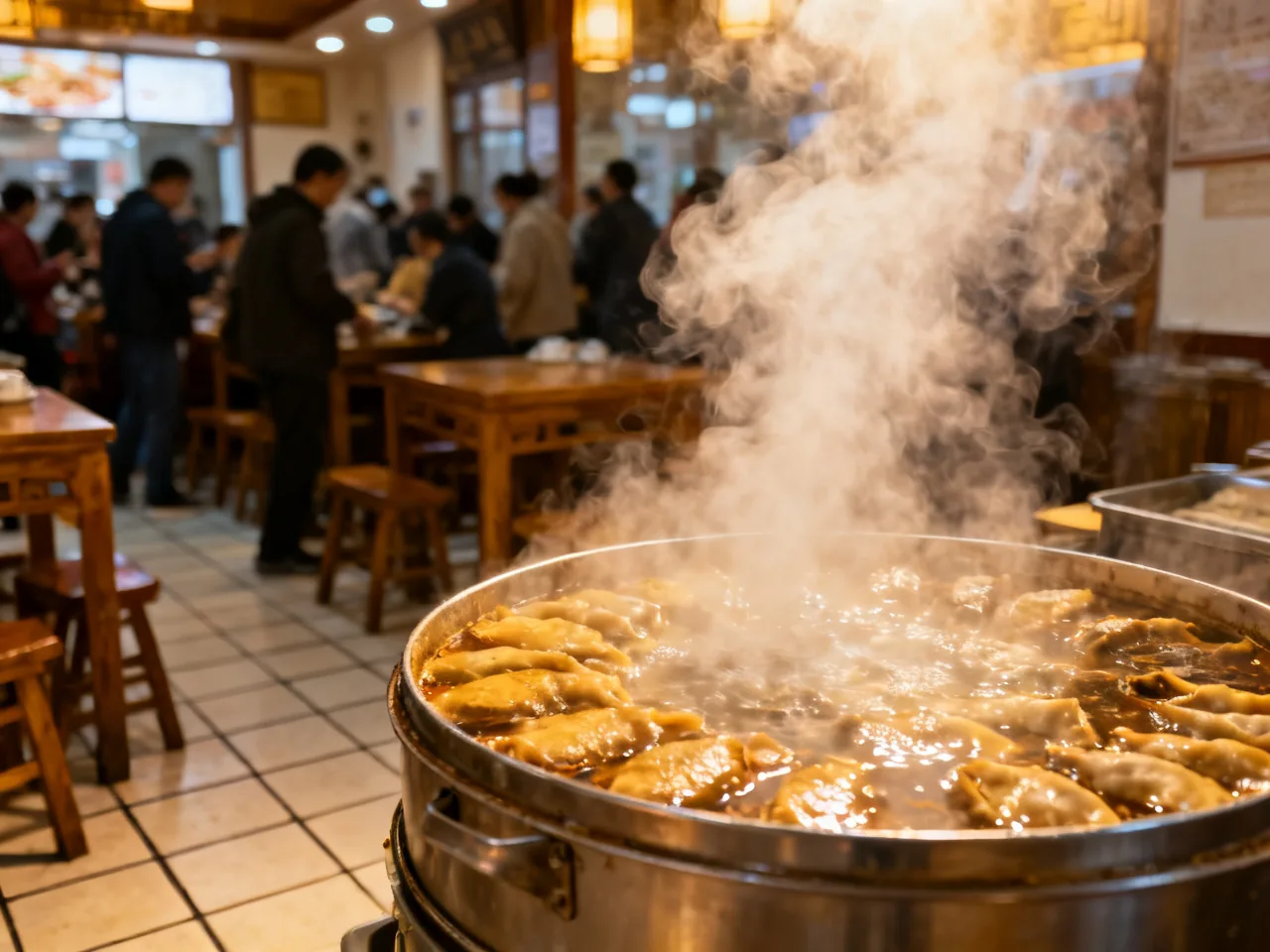
Now when friends ask me how to eat well and more safely in China, I usually give them the following sequence.
- Check whether the line is orderly before caring about the online rating.
- Confirm the payment, pickup, and seating process before trying complicated dishes.
- When you have just arrived in a city and your energy is low, prioritize restaurants with a clear process.
- If the entrance flow is chaotic, prices are unclear, or the ground is slippery, I walk away.
- A real “local experience” is not forcing yourself; it is finding a real setting that fits your condition.
Later, I began connecting restaurant judgment with the overall rhythm of travel. I often review articles such as how to arrange city meal times, safe walking reminders for busy districts, and lessons on managing physical energy while traveling alone before deciding whether a meal is worth crossing several stations for. Chinese food is absolutely worth pursuing, but I increasingly believe that the best meal is often not the hardest one to obtain. It is the one you eat at the right time, in the right condition, and in the right environment.