うちのクラスに新しい同級生が来て、彼が「可以(いいですよ)」を「可乐(コーラ)」と言ってしまってから、みんな却って早く打ち解けた
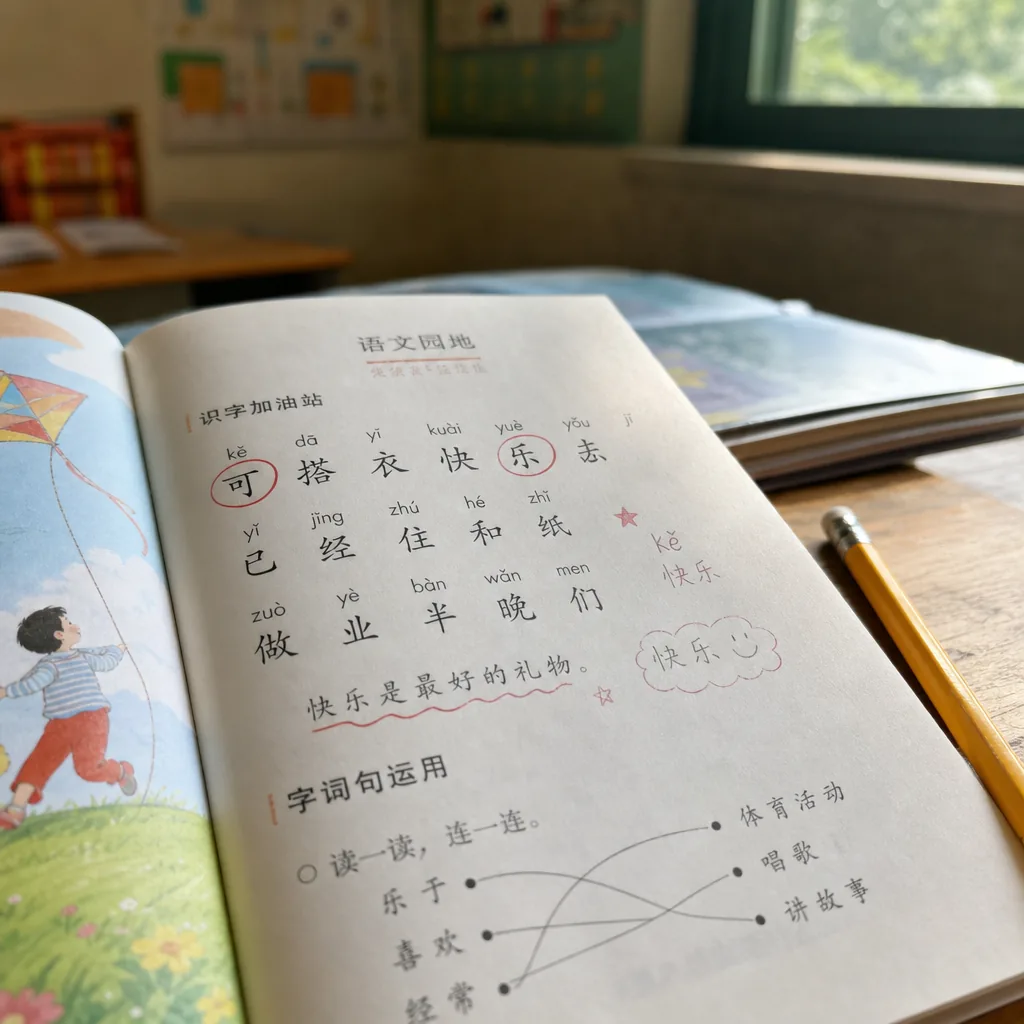
“Teacher, does he want cola?” The moment that line came out, our row by the window went silent for one second, then started shaking with laughter like leaves in a gust of wind. It was the second class on Monday morning. The teacher had just finished writing the two characters for “可以” on the board, and white chalk dust still clung to the edges. The new foreign student stood by the front desk, clutching his textbook, ears bright red. He meant to answer “okay,” but in his nervousness he said “cola” instead.
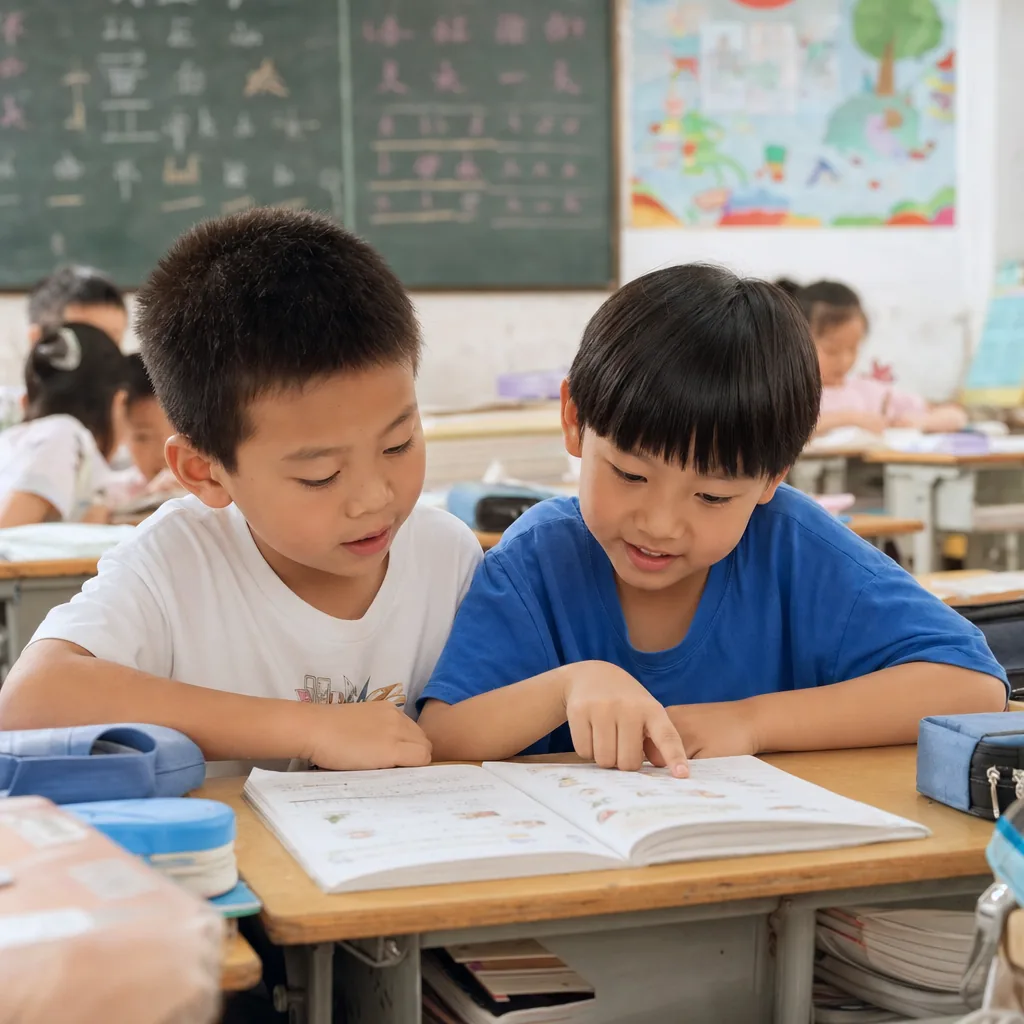
The teacher did not correct the pronunciation immediately. She smiled first and waved for everyone to settle down. Then she wrote “可以” and “可乐” bigger on the board and drew a tiny curved line beside the pinyin. “Listen,” she said. “The last syllable is different, and so is the feeling in your mouth.” The new student swallowed and tried again. He was still a little off. The boy in front of me turned around and silently shaped the mouth movement for him, while the girl with short braids next to him lifted her hand and moved it gently downward to help him remember the tone.
“Ke—yi.” “Keyi.” “Keyi!” On the third try, he finally got it right. There was no cruel laughter in the room. Instead, everyone relaxed at once, and a soft patter of hands tapping desks spread across the class. At that moment, I suddenly felt that children learn language differently from adults. When adults make mistakes, they often fear embarrassment first. But when children make mistakes in a good atmosphere, that mistake can become a doorway into friendship.
When the bell rang, the story did not stop with the word “cola.” A few classmates gathered around him, not to keep laughing, but to teach him with serious little faces the other words that were easy to mess up and useful every day. One taught “teacher,” another taught “classmate,” another taught “thank you,” and one even pulled a blue pen from a pencil case and said, “This is blue.” At first the new student did not dare to look directly at them. Then he slowly raised his head and repeated the words one by one. There were footsteps running in the hallway, and wind squeezed through a window that was not fully shut, lifting the corners of workbook pages. But that little circle of children stood steady, like a temporary language bridge built on the spot.
What Everyone Was Really Teaching Him
It was not only pronunciation.
First, they taught him that you can keep going after saying something wrong. If you say “cola” instead of “okay,” the world does not crack open. What matters is whether you are willing to try again.
Second, they taught him that Chinese is often learned together with movement. The girl with braids used a hand gesture to help him remember the tone, and that worked faster than a rule alone. For foreign children, Chinese is often learned not only with the ears, but with the eyes and the body too.
Third, they taught him to learn the most useful classroom phrases first. Expressions like “Is it okay?” “I don’t know,” “Let me borrow that,” “Hello, teacher,” and “Thank you” will not make you sound brilliant immediately, but they help you belong quickly.
Fourth, they taught him that laughter is not always a bad thing. Sometimes children laugh because something is surprising, cute, or simply funny. It is not always cruel. Learning to tell the difference makes everything easier.
Fifth, they taught him that friendship makes Chinese move faster. Textbooks teach rules. Classmates teach living language. Both matter, but the second one often stays in memory longer.
Later, during lunch break, I saw the new student sitting on the steps by the playground with a yogurt drink in his hand, quietly practicing “keyi, kele, keyi, kele.” The boy who had helped him grinned and teased, “So which one do you want now?” This time the new student laughed by himself and said, “I want cola, but I can say okay.” The children around him bent over laughing. His Chinese was still not perfect, but by then nobody cared only about perfection.
If you are also a foreign child learning Chinese, I want to give you this small classroom story. One day you may say a word wrong, make “teacher” too heavy, rush through “thank you,” or freeze in front of the whole class. That is okay. Very often, language does not truly begin moving forward when you get everything right. It begins when someone next to you is willing to turn back and wait for you after you get something wrong.
If you want one more story about real Chinese around a school gate, you can also read school-gate Chinese story.