中国の戸籍制度はいったいどういう仕組みなのか?
Picture this: you’re chatting with a friend in Shanghai, and she mentions she’s a “new Shanghainese” — even though she’s lived there for fifteen years, owns an apartment, pays local taxes, and her kid goes to school nearby. Her hukou, though, is still registered in Anhui province, a thousand kilometers away. You’d probably find that baffling. Fifteen years and still not considered a local? In many countries that’s unthinkable. But in China, that’s the reality shaped by the hukou system.
What Is Hukou, Really?
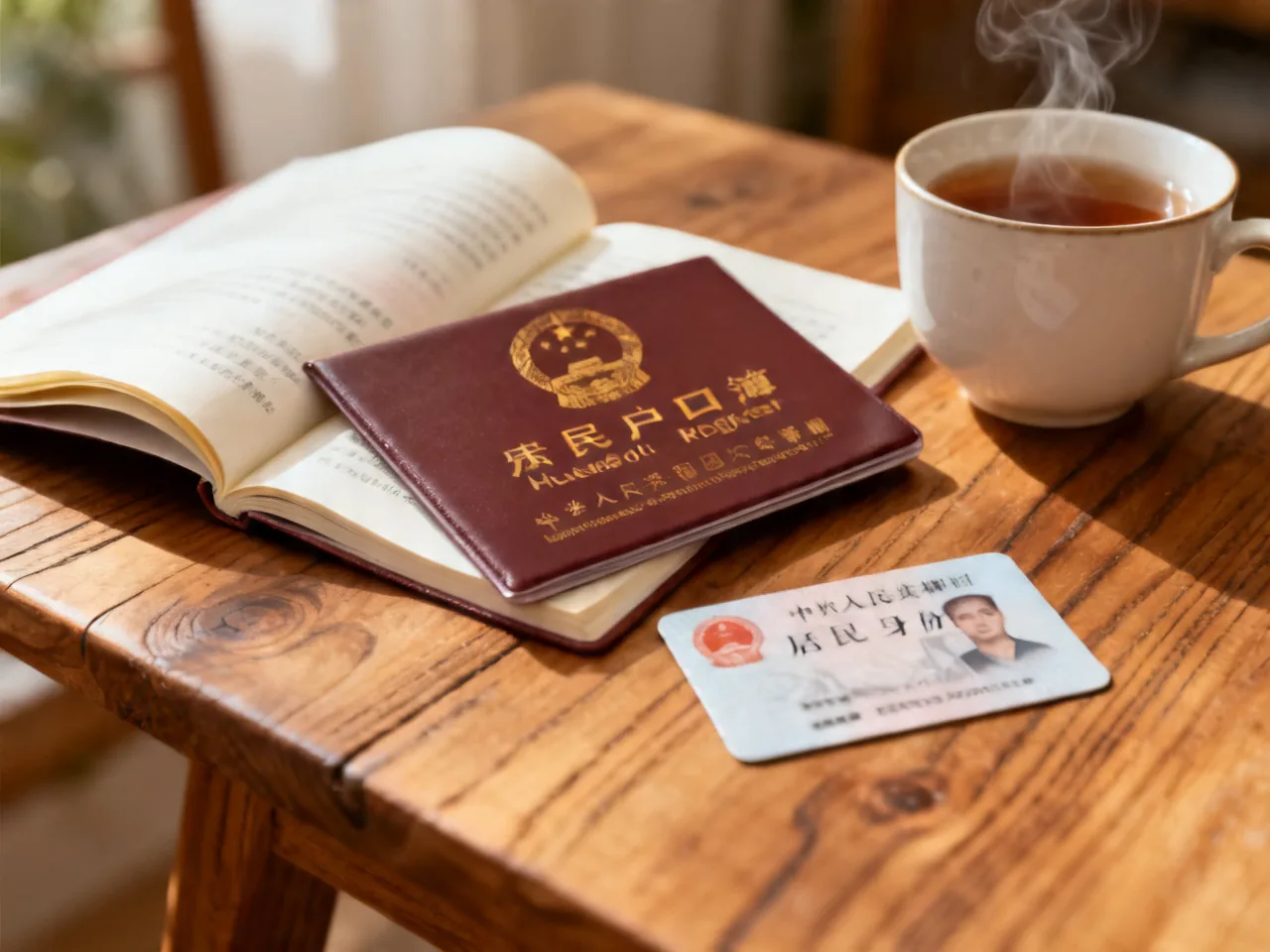
Think of hukou as a birth-place-bound internal residency registration. When a Chinese citizen is born, they’re registered under their parents’ local hukou — historically classified as either “agricultural” or “non-agricultural” (though many provinces have merged these into a single “resident” category in recent years). That little household registration booklet determines where a person can access public services: education, healthcare, social security, even the right to buy property. It’s not a travel document like a passport. It’s more like a key that unlocks public resources in one specific city.
Myth 1: Hukou Restricts Freedom of Movement?
This is the most common misconception among foreigners. The truth is, Chinese citizens can freely live and work in any city they choose. Nobody checks your hukou at the train station and turns you away. You can absolutely move from Guizhou to Beijing — rent an apartment, land a job, visit the Forbidden City, no problem. The real restriction isn’t about whether you can go, but whether you get equal treatment once you’re there. Someone with a Henan hukou working in Shenzhen might face extra paperwork to enroll their child in the local gaokao (college entrance exam), or find themselves behind local hukou holders when applying for subsidized housing. Here’s a sharper example: in Beijing, a child without Beijing hukou can attend local primary and middle school, but when high school comes around, they’ll likely have to return to their hukou province to sit the gaokao. Imagine growing up in Beijing your whole life, then having to take the most important exam of your life in a province you barely know. That disconnect is what makes the hukou system most painful for ordinary families.
Myth 2: The Hukou System Never Changes?
Many people assume the hukou system has been set in stone since its establishment in 1958. In reality, it’s changed far more than you’d expect. Take Chengdu: after 2020, the city essentially adopted a “zero-barrier” hukou transfer policy — if you have a stable legal residence there, you can move your hukou over. That would’ve been unimaginable a decade ago. Then there’s Shanghai, which in 2024 rolled out a direct hukou policy for graduates of select top universities — fresh bachelor’s grads from Fudan or Shanghai Jiao Tong can get Shanghai hukou straight away. Even Beijing, the hardest city in the country to get hukou in, has been gradually increasing the number of people who obtain residency through its points-based system each year. The overall trend is clear: big cities are loosening up, and small-to-medium cities have essentially opened the gates entirely.
A Fact That Might Surprise You
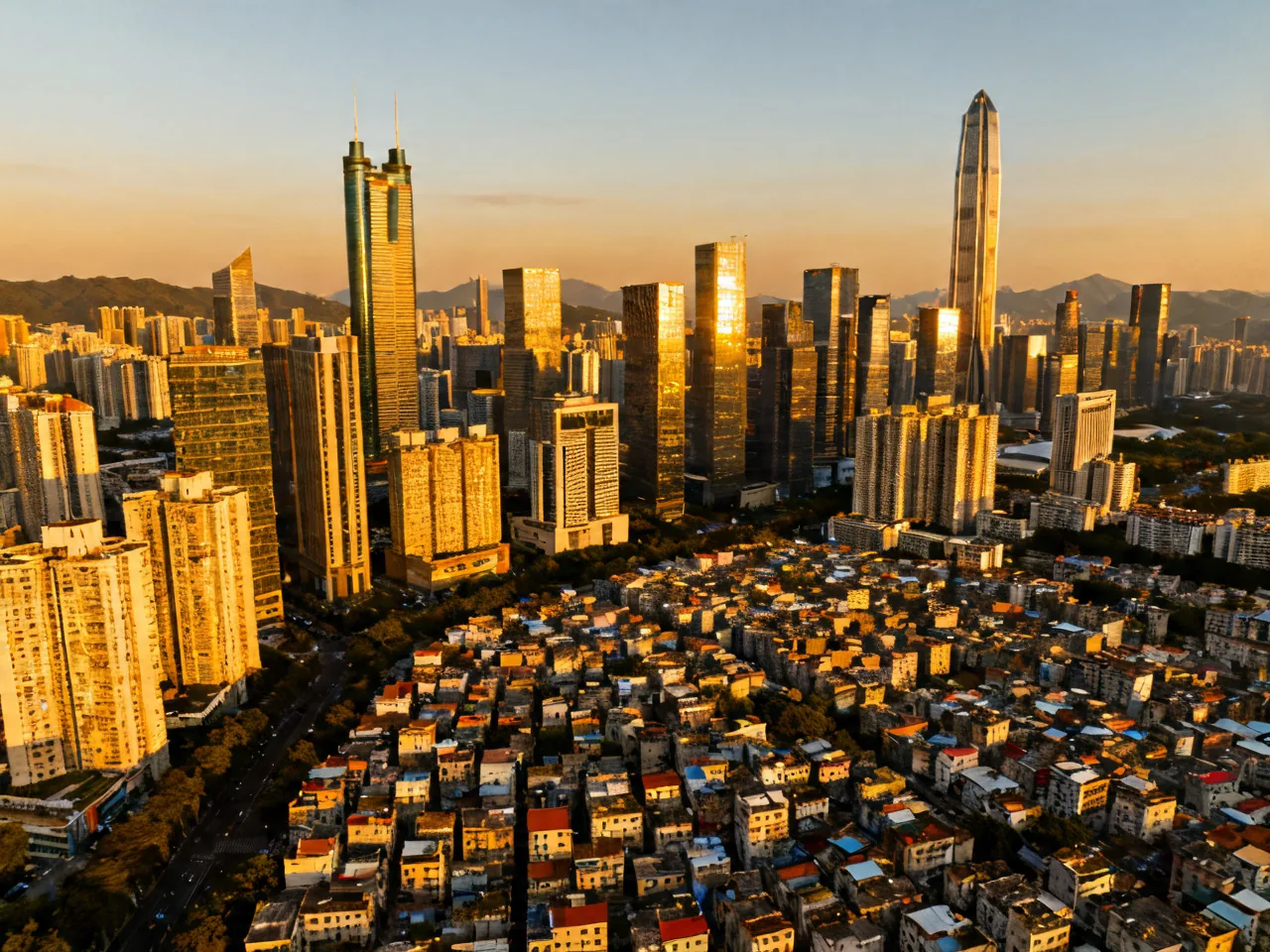
Here’s something counterintuitive: in certain cases, a rural hukou is actually more valuable than an urban one. Why? Because rural hukou is typically tied to homestead land and contracted farmland. As urbanization pushes outward and land values soar, rural hukou holders on the outskirts of major cities can find themselves sitting on land rights worth millions of yuan. Some indigenous villagers near Shenzhen received enormous compensation when their collective land was developed. So you get this curious phenomenon: people actively choosing to keep their rural hukou rather than convert to urban. That flies in the face of the stereotype that “everyone in the countryside wants to move to the city.”
How Does This Affect You as a Visitor?
As a foreign visitor or short-term resident in China, the hukou system won’t directly affect your daily experience. You don’t need one, and you won’t be denied service for not having one. But understanding it helps you decode a lot of deeper social dynamics. For instance, why does the Spring Festival travel rush — chunyun — involve billions of passenger trips? Because countless people’s hukou (and therefore their “hometown”) is in a different place from where they work, making the New Year journey home the most important trip of the year. Or you might notice that Chinese people often ask “where are you from?” — and they’re usually not asking where you live now, but where your hukou is, where your roots are.
Understanding hukou hands you an important key to contemporary Chinese society. Next time a Chinese friend says “my hometown is…”, you’ll know that behind those simple words lies a complex story about identity, belonging, and how resources are distributed across the world’s most populous nation.
Related Reads
- Complete Guide to China’s High-Speed Rail
- Essential Checklist for Visitors to China
- Complete HSR Guide for Foreign Tourists
- Booking Tickets and Beating Queues at Chinese Attractions
- 10-Day East China Five-City Loop