中国の博物館を巡る前に、まずこの鑑賞法を身につけよう
The most common problem in a large museum in China is not failing to understand it. It is trying to absorb too much. The halls are large, the objects are dense, and the labels are often information-heavy. Attention flattens quickly. The effective solution is not stronger endurance but subtraction: choose one main line per museum and let the rest depend on what the room itself pulls you toward.
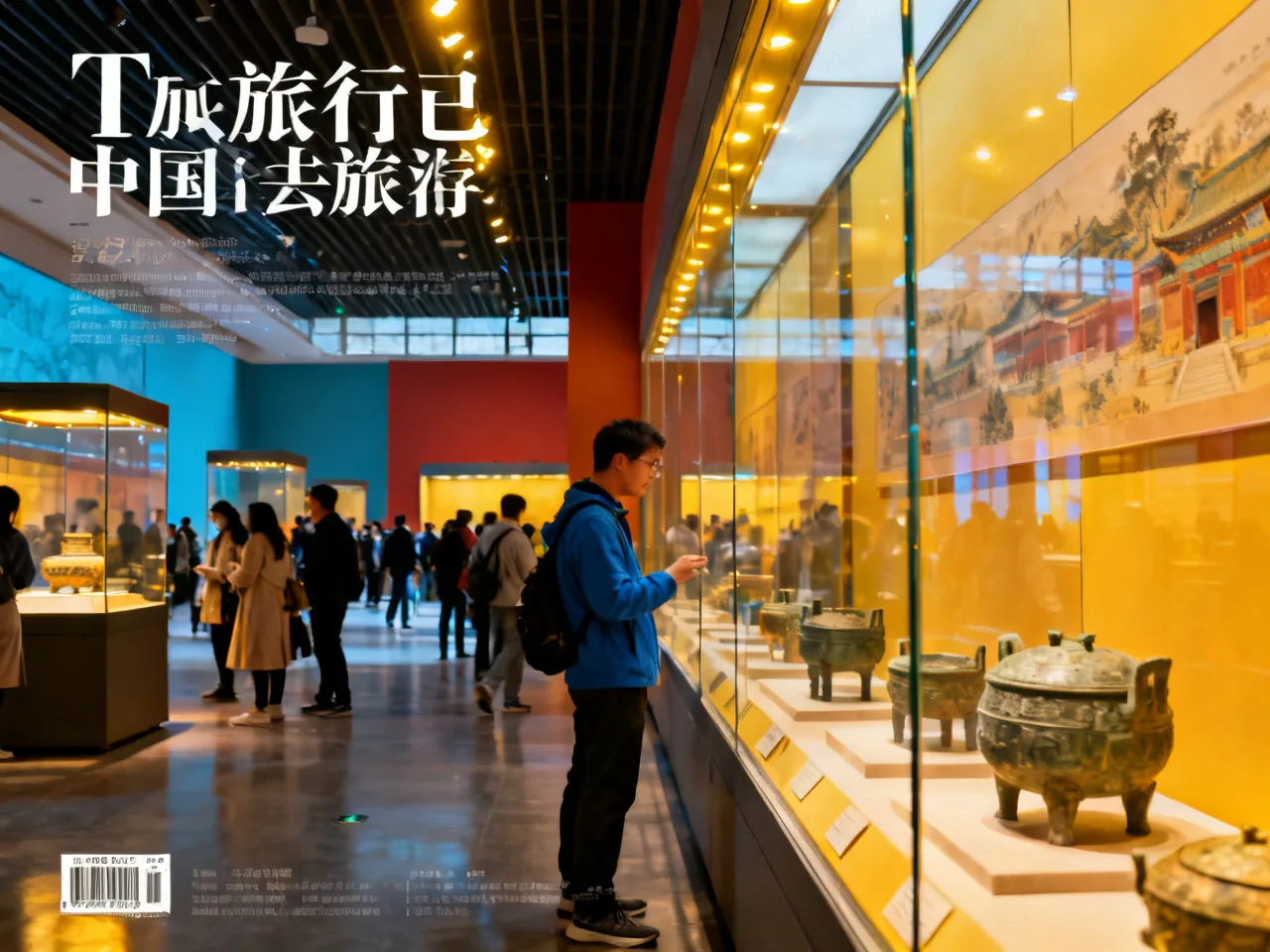
Decide What You Want to Understand Today
Many visitors instinctively move floor by floor as if they were clearing a task list. That approach causes fatigue and leaves weak memories. A steadier method begins with one question: am I here to understand dynastic change, craftsmanship, or the story that radiates from one signature object? The clearer the question, the lighter your steps become.
Save Your Best Attention for the First Forty-Five Minutes
The most productive part of a museum visit is usually the first forty-five minutes after entry. Your legs still feel fine and your reading attention has not dropped yet. That is why the section you care about most should come first, not last. The back half of many museums is not weaker. Visitors are simply already depleted.
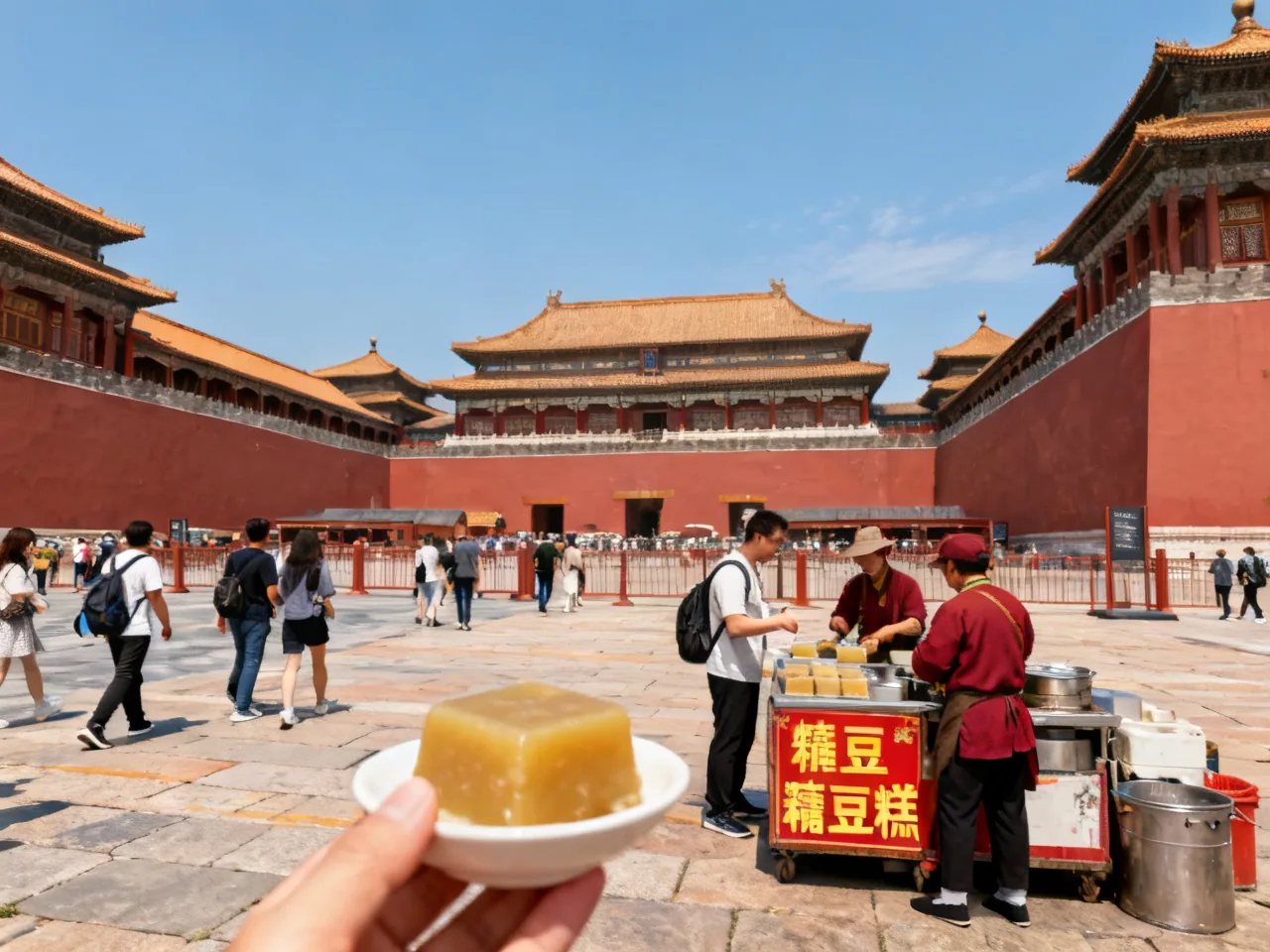
White Space Is Better Than Total Coverage
Chinese museums often produce a useful moment: you stop in front of one case while others continue moving, and you want to reread the label or inspect the surface of an object again. That pause is often more valuable than rushing through two extra halls. It means you formed a connection instead of merely completing movement.
For related reading on the site, continue with another China culture article and a piece on visiting historic venues. The best museum method does not make you see more. It makes you leave the building knowing exactly what you truly saw.
One frequently overlooked move is giving yourself one short pause during the visit. Even two quiet minutes on a bench, or a quick look back at the labels you photographed, helps reorganize scattered information. Many visitors think stopping wastes time. In reality, that pause is often what turns a museum from something you merely passed through into something you actually remember.