中医学の伝統療法
Guide to Experiencing Traditional Chinese Medicine
Traditional Chinese Medicine (TCM) has over 2,000 years of history and remains an integral part of Chinese daily healthcare. For travelers, experiencing TCM offers a unique window into Chinese culture.
TCM Experiences for Visitors
Tui Na (Chinese massage) — unlike Western spa treatments, Tui Na applies pressure along acupoints and meridians with firm force. Covers shoulders, neck, back, and legs. Street-side shops ¥60-120/hour; hotel spas from ¥300.
Cupping — glass or plastic cups are suctioned onto the back, leaving circular red marks (don’t worry, they fade in a few days). TCM believes it removes dampness and toxins. ¥30-80 per session.
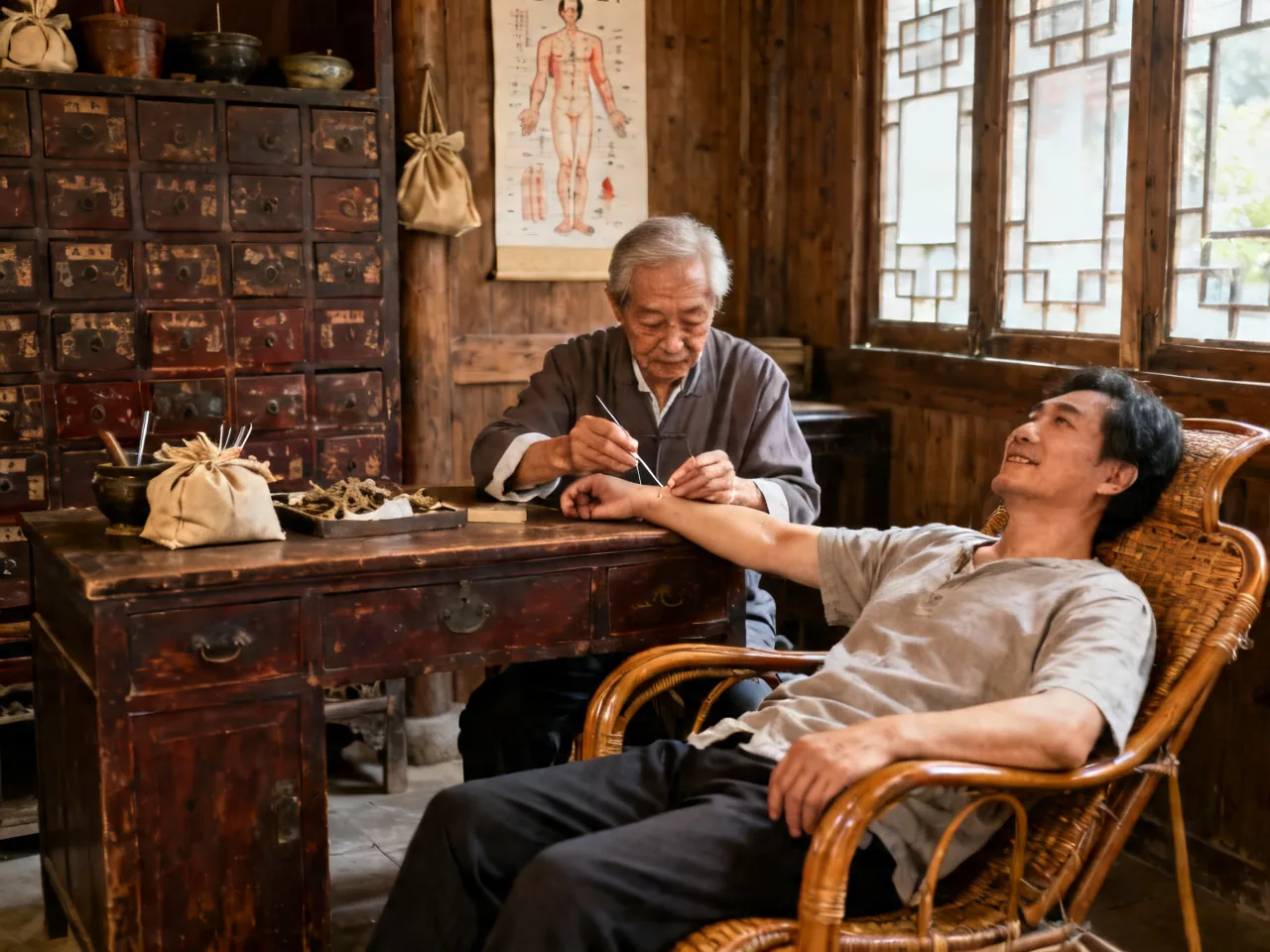
Acupuncture — ultra-fine needles inserted into acupoints to regulate qi and blood. Notably effective for neck/shoulder pain and migraines. Visit legitimate TCM hospitals (like Beijing Tongrentang, Guangzhou Chen Li Ji) — avoid roadside shops.
Herbal foot bath — soak feet for 30 minutes in herbal water (mugwort, safflower, ginger). Chengdu has especially many foot bath shops, ¥50-100 including tea and snacks. You’ll feel warm all over — great as an evening activity.
Important Notes
- People with heart conditions or pregnant women should avoid cupping and acupuncture
- Acupuncture must use disposable needles (all legitimate hospitals do)
- Herbal decoctions taste very bitter — try it but don’t force yourself to finish
- Some “old TCM doctors” are unlicensed — look for hospital credentials
Tips: Beijing Tongrentang has a Wangfujing location — pharmacy on the first floor, consultations on the second. Book an appointment to experience the four diagnostic methods.
Related Reads
- Spring Bloom Map: China’s Most Beautiful Flower Fields
- Summer Escapes: Plateaus & Islands
- Huangshan Sea of Clouds & Welcome Pine: Beautiful in All Seasons
- Best Autumn Foliage Spots in China
- 10-Day East China Five-City Loop