Керамический культурный маршрут: Цзиндэчжэнь и руины императорских печей
Chinese Ceramic Heritage Trail
From Jingdezhen to Longquan, Chinese ceramic culture spans the nation with over 10,000 years of history. This cultural route visits China’s most important kiln sites.
Jingdezhen, Jiangxi
The porcelain capital’s core status is unshakeable. Yuan Dynasty blue-and-white porcelain brought Jingdezhen to the world’s summit. Must-visit sites:
- Taoxichuan — old factory turned creative park; museums by day, markets by night.
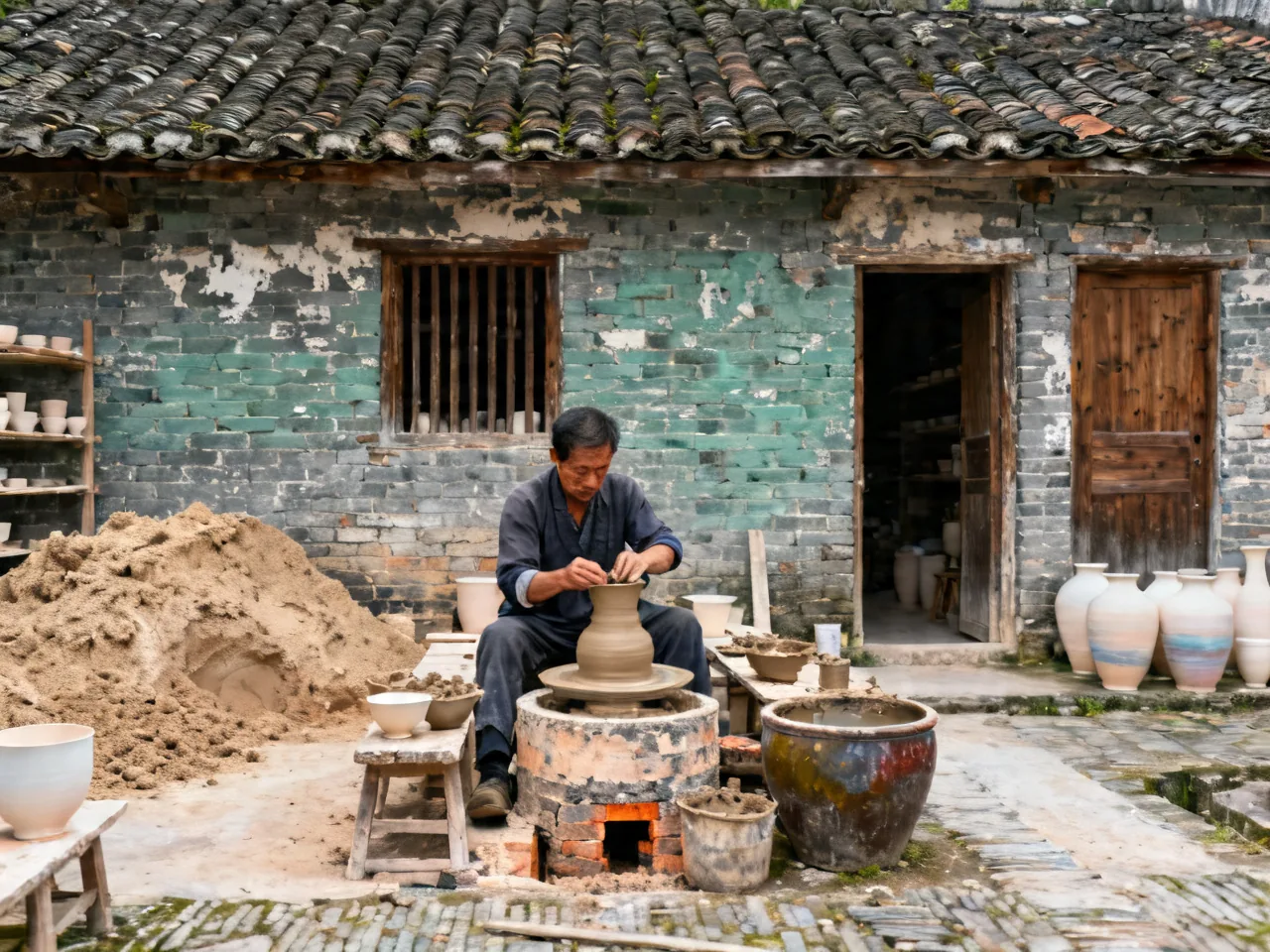
- Ancient Kiln Folk Expo — restored historic kilns with artisans demonstrating wheel-throwing and painting live.
Longquan, Zhejiang
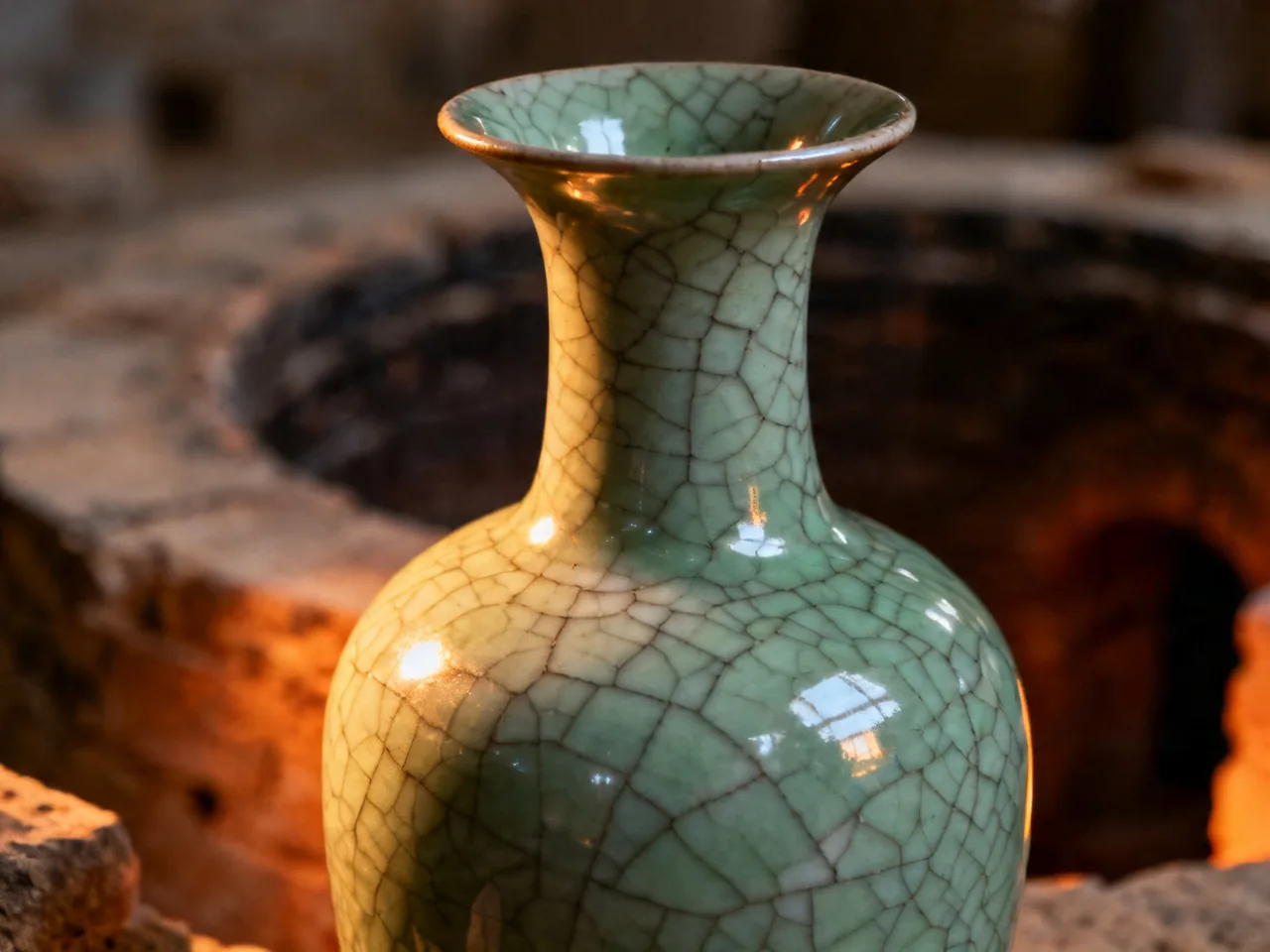
Longquan celadon is famous for its jade-like glaze, peaking during the Southern Song Dynasty. “Powder blue” and “plum green” are considered celadon’s highest achievement. Today, many celadon workshops in Longquan offer visits and wheel-throwing experiences.
Yixing, Jiangsu
Homeland of zisha (purple clay) teapots. Dingshu Town is the center of zisha production — studios line every street. Visit the China Zisha Museum to trace zisha history from Ming Dynasty to present.
p>
Dehua, Fujian
“China’s White Porcelain Capital.” Dehua white porcelain is world-famous for its “ivory white” glaze. Ming Dynasty master He Chaozong’s white porcelain Guanyin is a national treasure. Modern Dehua focuses on tea sets and Buddhist statues.
Tips: Plan at least two days for Jingdezhen — one day for ancient kilns and Imperial Kiln Site, one for Taoxichuan and Guomao. Add half a day for wheel-throwing experience.
Related Reads
- Spring Bloom Map: China’s Most Beautiful Flower Fields
- Summer Escapes: Plateaus & Islands
- Huangshan Sea of Clouds & Welcome Pine: Beautiful in All Seasons
- Best Autumn Foliage Spots in China
- 10-Day East China Five-City Loop