外国人が中国で病院にかかるには
At 3 AM, one of our readers — Mike from Canada — was doubled over with stomach pain in a Chengdu hostel, drenched in cold sweat. He spoke no Chinese, had no hospital information on his phone, and the hostel owner wordlessly drove him to the nearest West China Hospital ER on her electric scooter. Four hours later, Mike had completed a CT scan, blood tests, and an IV drip. Diagnosis: acute gastroenteritis. Total cost: 847 yuan — under 120 USD. He later told us: “In Canada, just waiting in the ER takes six hours.”
This story represents the real experience many foreigners have with Chinese healthcare: fast, cheap, but confusing. This article walks you through the complete process so you’ll be prepared.
Chinese hospitals are ranked in three tiers: tertiary (highest), secondary, and primary. A “3A hospital” (三甲) is a top-tier Grade A institution. In major cities, try to choose the international medical department of a 3A hospital — Peking Union Medical College Hospital in Beijing, Huashan Hospital in Shanghai, and the First Affiliated Hospital of Sun Yat-sen University in Guangzhou all have dedicated foreign patient clinics with English-speaking staff. Registration fees at international departments typically range from 200-500 yuan, while regular outpatient clinics charge just 5-50 yuan.
Beyond public hospitals, major cities have foreign-invested or joint-venture private hospitals and clinics, such as Beijing United Family Hospital and ParkwayHealth in Shanghai. These facilities match Western standards entirely: appointment-based, no queuing, full English communication, and ample consultation time. But the prices also match — a routine visit for a cold might cost 1,500-3,000 yuan. If you have international health insurance, these private facilities usually support direct billing.
Chinese public hospitals operate on a “register first, see doctor later” system. There are four registration methods: queuing in person (most basic but most reliable), the hospital’s official app or WeChat account, Alipay’s healthcare function, and 114 phone reservation (available only in some cities like Beijing). Expert appointments at popular departments often sell out within seconds of release, while general appointments are usually available on a walk-in basis.
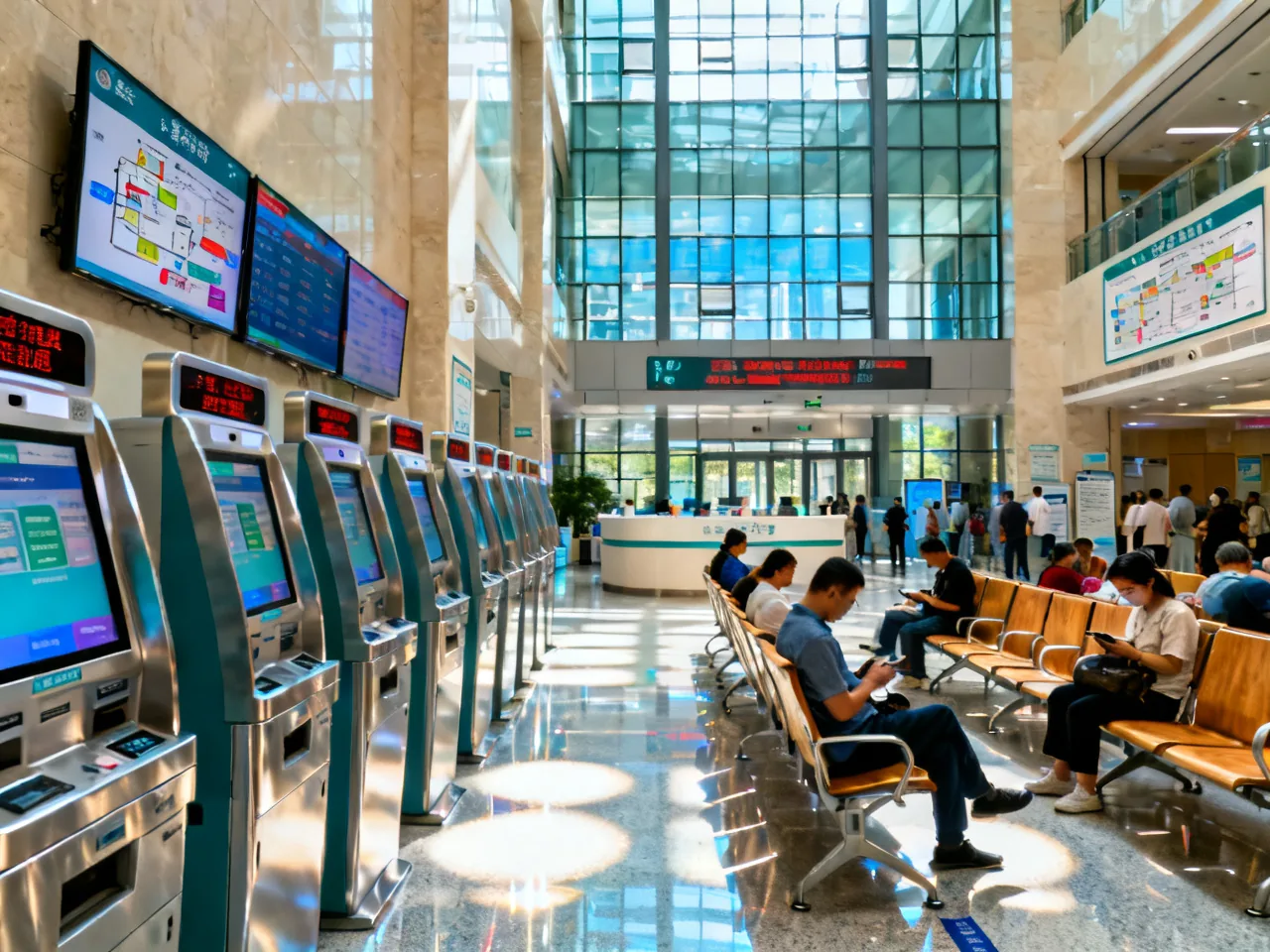
You’ll need your passport for registration. Some hospitals’ self-service kiosks only accept Chinese ID cards, in which case you’ll need to go to the manual counter. Keep a photo of your passport’s main page on your phone for easy data entry. The registration fee is included in the consultation charge: 5-50 yuan for general outpatient, 50-300 yuan for specialist consultations.
After registration, take your slip (or electronic voucher) to the relevant department and wait. Chinese public hospitals move fast — average consultation time per patient is just 5-8 minutes. The doctor will quickly ask about symptoms, check vital signs, then issue test orders or prescriptions. If you don’t speak Chinese, two solutions: prepare a printout of your symptoms in Chinese using a translation app (Baidu Translate or DeepL recommended) before your visit, or bring a Chinese-speaking friend.
The doctor may order various tests: blood work, ultrasound, X-ray, CT scan, etc. Take the test orders to the payment counter (you can scan and pay via WeChat or Alipay, or pay with cash or card at the window), then queue at the respective examination departments. Once results are ready (some same-day, some take 1-3 days), return to the doctor for follow-up. The entire process involves multiple queues — which is why Chinese people often say “seeing a doctor is hard.” It’s not that the medicine is hard; the process is exhausting.
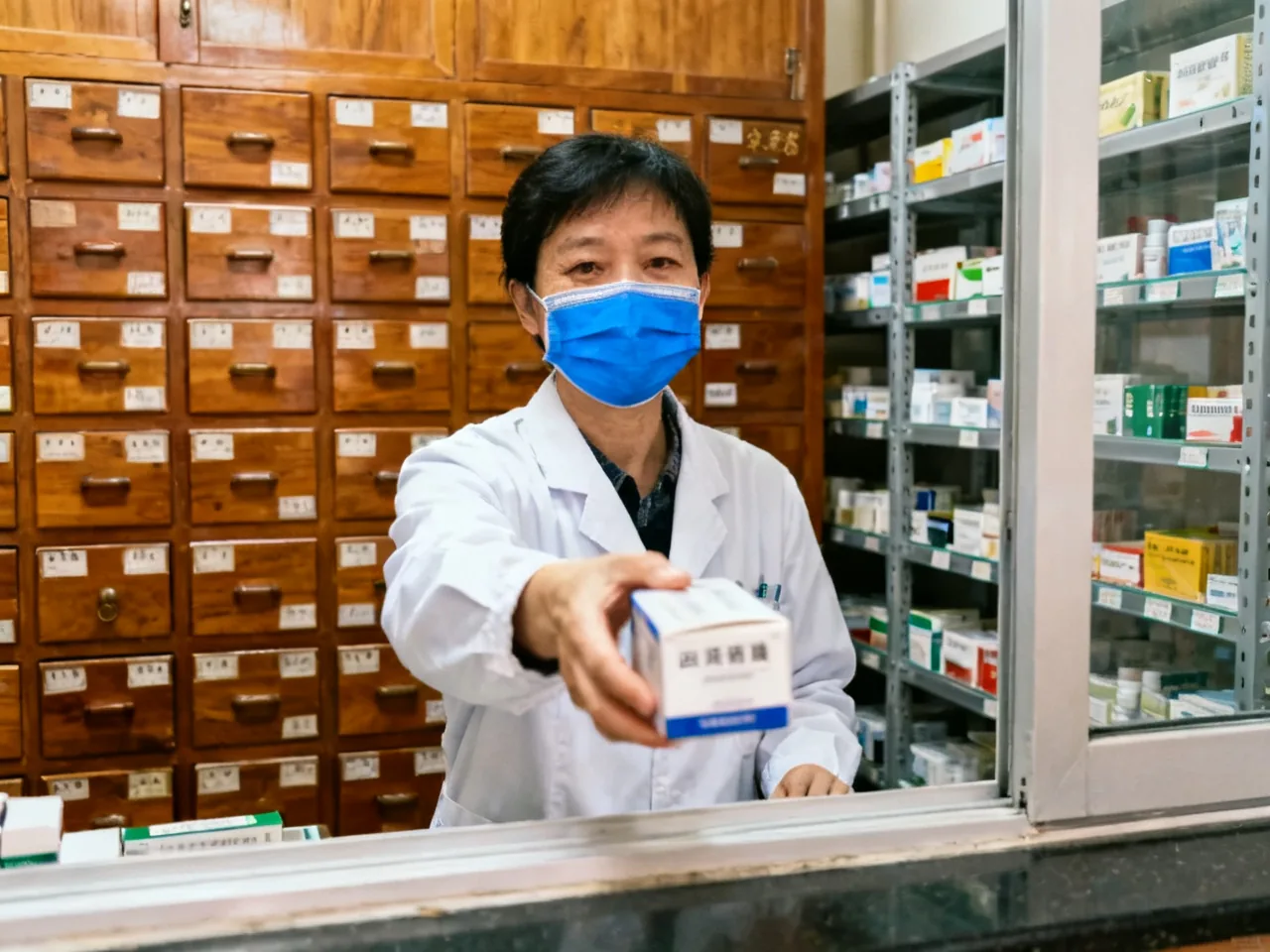
After the doctor writes a prescription, pay at the billing counter, then collect medication at the pharmacy with your receipt. Chinese hospital pharmacies differ from Western ones — they’re located inside the hospital, usually on the ground floor lobby. The pharmacist will package the medication in bags with dosage instructions labeled. Both traditional Chinese medicine and Western medicine may appear on your prescription simultaneously — a distinctive feature of Chinese healthcare.
Regarding costs, Chinese public hospital fees follow government-guided pricing. A typical cold visit (registration + consultation + medication) runs 100-300 yuan. An ER visit requiring a CT scan costs roughly 800-2,000 yuan. Hospitalization costs vary enormously by condition but are far lower than in Europe or the US overall. Mike’s 847-yuan ER bill is actually considered normal to slightly expensive by Chinese standards — because he went to West China Hospital’s ER, and the CT scan alone cost over 400 yuan.
If you work in China and your employer pays social insurance on your behalf, congratulations — you’re covered by China’s basic medical insurance. Outpatient and hospitalization costs are reimbursed proportionally, with specific ratios varying by city and hospital tier. In Beijing, employee medical insurance reimburses about 70% of outpatient costs and over 85% of hospitalization expenses.
If you’re a short-term tourist, strongly consider purchasing international travel medical insurance covering China. World Nomads, Allianz, and other companies offer plans that include China. After treatment, save all documents — registration slips, test reports, prescriptions, payment receipts — these are essential for subsequent claims. For other cost and budget advice in China, we have a dedicated article you can reference.
China’s emergency number is 120. A dispatcher will answer; major cities’ 120 services have begun offering English, though it’s not guaranteed every time. Use your phone’s translation function to assist. Stating your address clearly is the most critical part — learn to say your hotel or location name in Chinese in advance.
For minor issues — headache, cold, diarrhea — skip the hospital and go straight to a pharmacy. Chinese pharmacies are everywhere on the streets, easily identified by their green cross signs. Cold medicine (like 999 Ganmaoling), fever reducers (ibuprofen), and anti-diarrheal medication (montmorillonite powder) can all be purchased over the counter without a prescription. Prices typically range from 10-50 yuan. Instructions are in Chinese — photograph them and use a translation app. If you’re familiar with Chinglish, you’ll find some medication English instructions rather entertaining.
Seeing a doctor in China can be summed up in three words: cheap, fast, complicated. Cheap and fast are advantages; complicated is the barrier. But having read this article, you’ve already lowered that barrier significantly. According to Wikipedia’s entry on healthcare in China, China operates one of the world’s largest healthcare networks, covering over 95% of its population. As a foreigner, you can access this vast system too — as long as you know how to navigate it.