蘇州で学んだ、まず「楽なトイレルート」を探すこと
When people travel in China for the first time, they usually study tickets, metro lines, taxis, queues, and food. Very few treat the “restroom route” as something worth planning. I used to do the same. It felt somehow undignified, as if such a matter should be considered only when something already went wrong. But after spending two days around Pingjiang Road in Suzhou, I learned that for foreigners especially, being able to find a clean, easy-to-enter restroom and then return smoothly to the street can directly affect stamina, mood, and safety judgment. It sounds small, but in an unfamiliar city, small things like this often decide whether a whole day works.
The first time I truly understood the issue was on a humid afternoon. I had been walking slowly from the Humble Administrator’s Garden area toward Pingjiang Road, holding an iced drink, stopping often to photograph bridges, look into alleys, and enter small shops. By the time I suddenly needed a restroom, the need was already becoming urgent. When urgency rises, judgment narrows. I almost rushed into a restaurant to ask directly, then hesitated because I did not want to disturb anyone. I saw a sign for a commercial building but was not sure whether it required a long detour. Those few minutes made me feel very clearly that travel safety is not important only in big emergencies. Often it hides inside ordinary bodily needs. Later, when I looked back at advice about building steadiness in China—such as learning to ask for help naturally and making small, steady safety judgments on the street—I understood much better why that advice works.
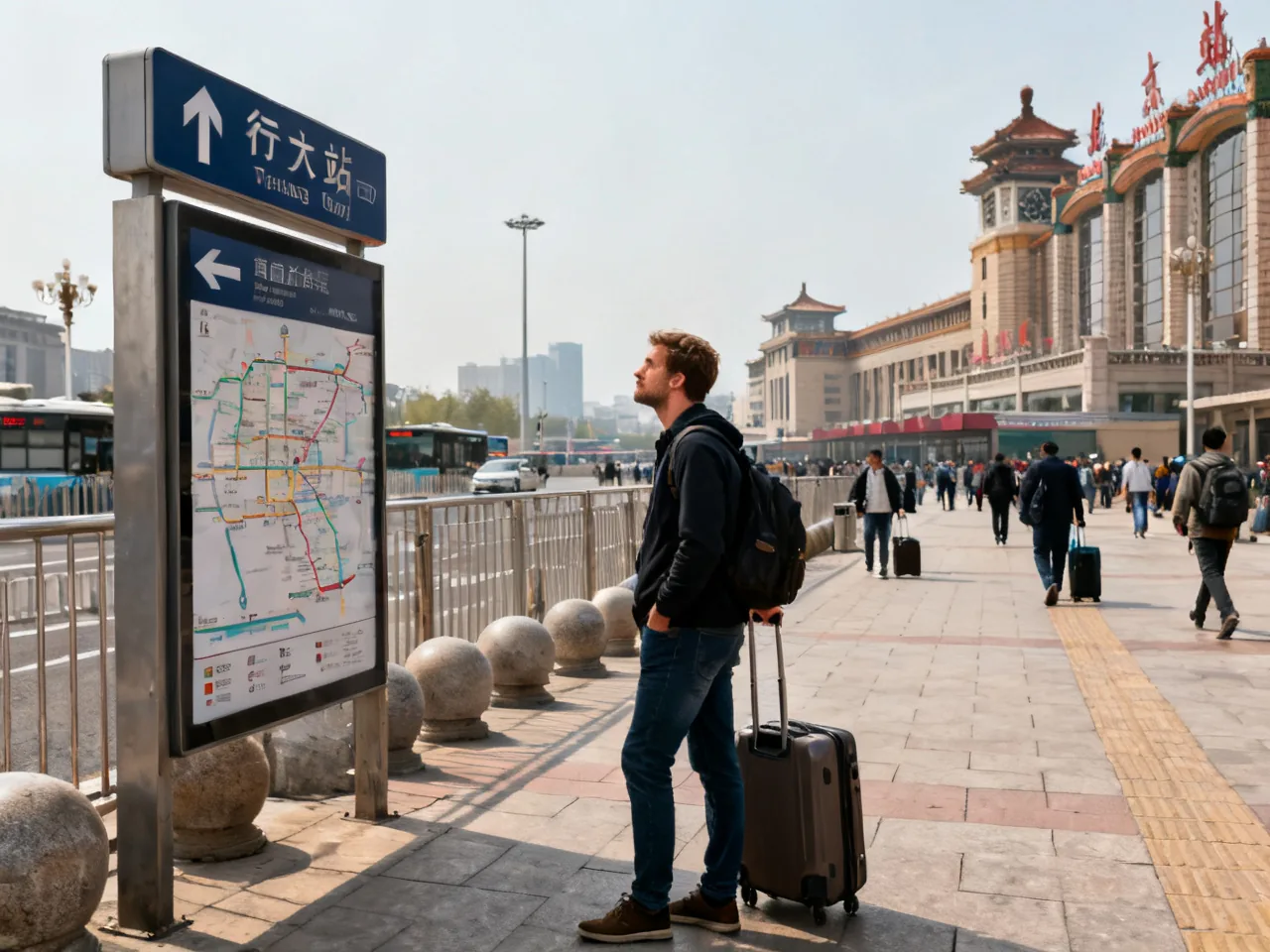
Later I began thinking about it more practically: in Chinese cities, a restroom is not just a facility point. It is also a route. What you need to judge is not only whether one exists, but whether it is easy to find, well lit, easy to return from, and near some place where you can sit down or buy water afterward. A place like Suzhou, where old lanes and modern commercial spaces coexist, is especially good for learning this kind of judgment. The old streets are atmospheric, but the alleys bend, the tourist flow is dense, and your sense of direction can easily be cut into pieces. Large malls, museums, and visitor centers may not always sit right under your feet, but they usually offer clearer signs, more stable environments, and more room to recalibrate your route. After that experience, whenever I entered a new area, I made a habit of quietly noting two things: roughly where the nearest public restroom was and whether there was an indoor space nearby where I could regain my bearings.
That habit helped me almost immediately. The next morning I was planning to move from Pingjiang Road toward the Suzhou Museum area, but the weather was even muggier and the streets were more crowded than the day before. After spending ten minutes photographing a bridge, I suddenly remembered a visitor service point I had passed the previous evening. I had not needed it then, but I had remembered the direction. So this time I did not wait until my body was in a hurry. I walked there early, solved the problem calmly, sat in the shade by the entrance for a few sips of water, and checked my map again. The whole process took less than fifteen minutes, yet it stabilized the rest of my day. For many locals, this may sound like ordinary common sense. For a foreign traveler, though, building bodily needs into route judgment is itself a form of integration and self-care.
Because of this, I began paying more attention to which places are best for asking quick practical questions. If you cannot find a restroom in China for the moment, the most useful move is often not standing in the middle of the street staring at your map. It is stepping into a space with clear order: a mall information desk, a museum entrance, a metro service counter, a chain café, a bookstore, or a visitor center. These places may not always escort you there, but they usually provide a very clear direction. Instead of panicked questioning, I came to prefer one simple sentence: “Excuse me, may I ask which side the restroom is on?” It is polite and efficient. I increasingly believe one thing: asking for help works best not when you are already at your limit, but when you still have a bit of calm left. That is also when the information is easiest to use well.
Later I summarized a few “restroom route” principles for friends. First, in hot weather, after drinks, or on long walking days, do not wait for urgency; solve it while you are still comfortable. Second, in old streets, scenic zones, and lakefront areas that encourage endless strolling, memorize the locations of visitor centers, malls, or museums earlier than you think you need to. Third, if you are traveling with parents, children, or anyone not in ideal physical condition, this should be planned even earlier, because others may not speak up the way you do. Fourth, after finding the restroom, do not rush back out instantly; take thirty seconds to reset the map, drink some water, and confirm your next segment. It is usually worth it. Fifth, if a location feels dark, narrow, or badly marked, do not force it. Walking a few more minutes toward a more public, more legible space is often the better choice.
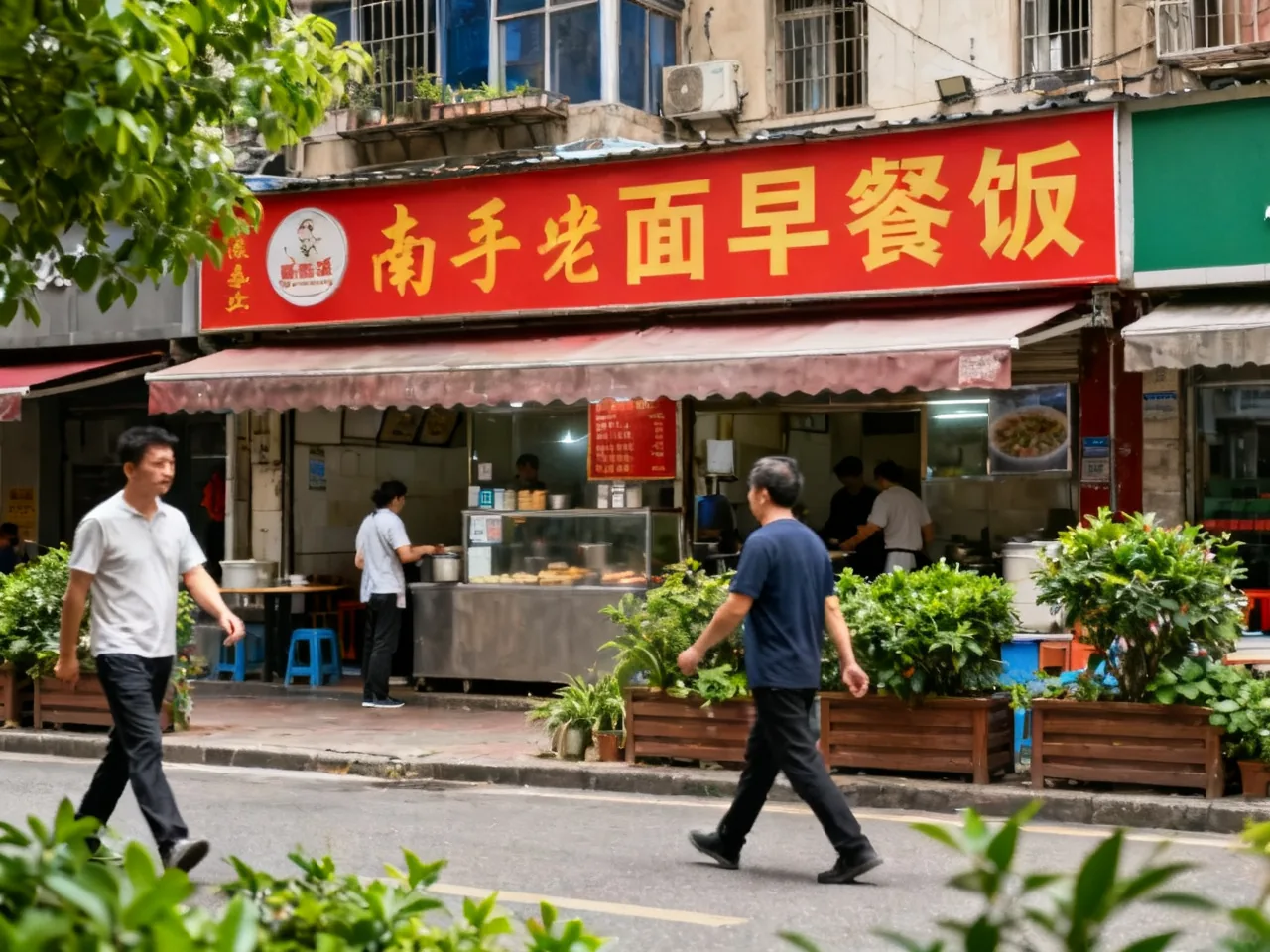
Many travel tips like to say, “Don’t let small things affect your mood.” I now think the more mature way to travel is to admit that small things do affect your mood, and therefore deserve a place in your planning. After those two days in Suzhou, I stopped treating restroom-finding as an embarrassing detail and started treating it as part of route design. Like finding water, shade, or a place to sit, it is one of the conditions that let your body keep cooperating with the journey. For foreigners, that mindset matters even more because you are already making judgments inside unfamiliar language and unfamiliar streets. The better you care for your body, the steadier your other decisions become. When I later walked back into the winding alleys of Pingjiang Road, the panicked feeling from my first afternoon was gone. Suzhou had not suddenly become simpler. I had simply learned to leave myself a low-effort restroom route.