Seafood Along China's Coast: From Dalian to Zhanjiang
The closer a restaurant is to the water, the less likely it is to be where locals actually eat.
This rule holds from Dalian in the north to Zhanjiang in the south, with almost no exceptions. The brightly lit seafood towers along the waterfront use the same ingredients as the small restaurants near the wet market — they just charge double, because you’re paying for the view and the “seafood atmosphere.”
Dalian’s seafood ranks among China’s best, and the reason is water temperature. The northern Yellow Sea runs cold, which means sea urchin, abalone, and sea cucumber grow slowly and develop dense, firm flesh. But Dalian locals don’t eat near Lüshunkou or the Star Sea Square waterfront. They go to the wet markets in Shahekou district, or small restaurants in Ganjingzi.
A friend who’s lived in Dalian for twenty years put it plainly: “The seafood at those waterfront places is the same. You’re just paying double for the view.”
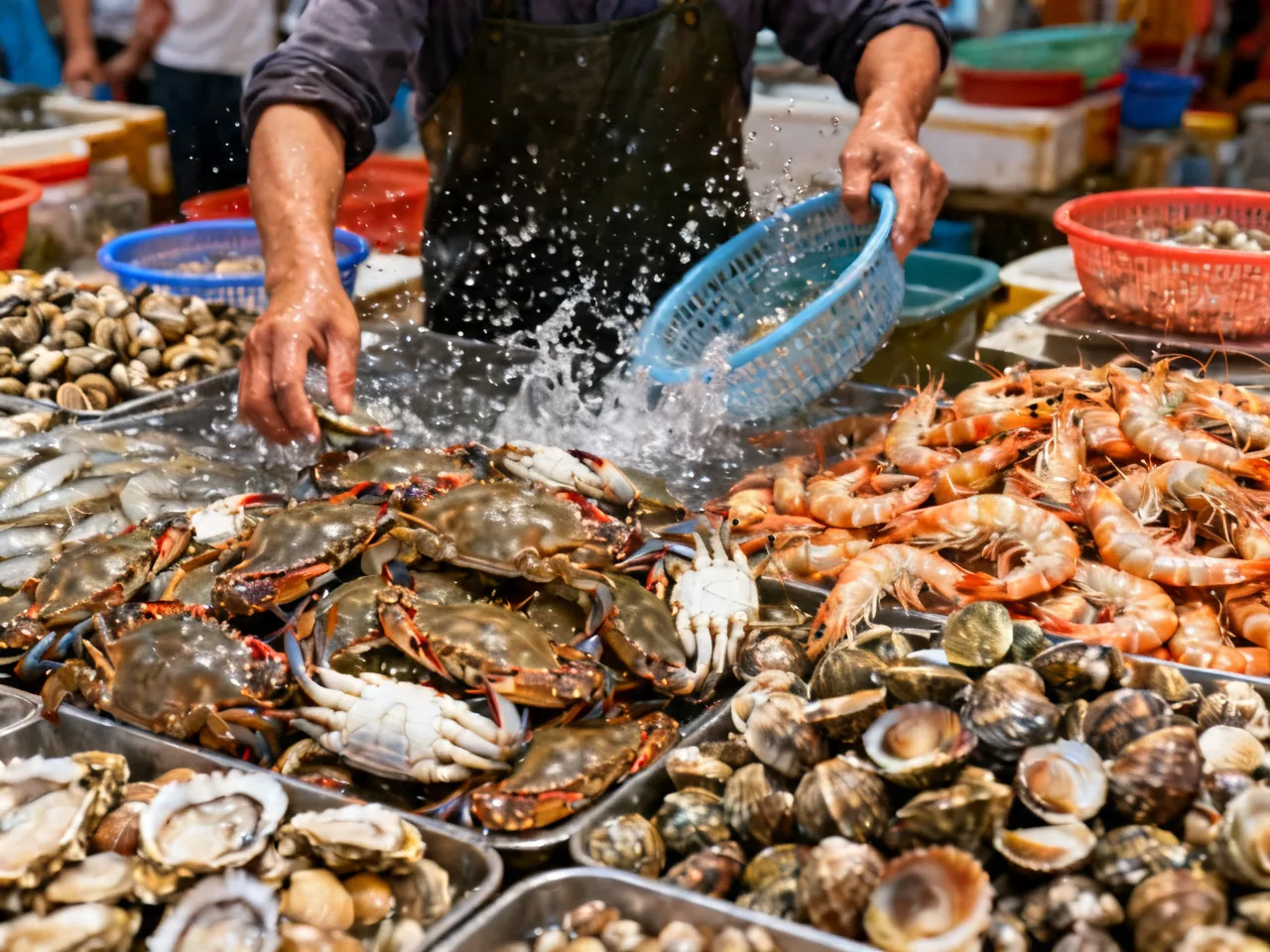
What locals actually love isn’t abalone — it’s live whelks. Blanched, dipped in soy sauce and garlic paste, twenty yuan a plate, one cold beer. No ceremony required.
Qingdao people have a near-religious devotion to clams.
The local word is pronounced “gá lí,” not the Mandarin “há lí.” Peak season is April and May — three or four yuan per jin at the wet market. Locals boil them in plain water with ginger slices, nothing else. The belief: the clam’s own flavor is enough. Adding more is wasteful. At 11pm, the outdoor stalls are still packed — a basin of clams, a cold beer, no glass needed. Unpretentious, but serious.
Mantis shrimp is a different story. Qingdao mantis shrimp has a big reputation, but during tourist season prices can hit 100+ yuan per jin, and much of it is shipped in from elsewhere. Savvy locals buy from the wet market in April, steam them at home, and pay one-fifth of what a restaurant charges.
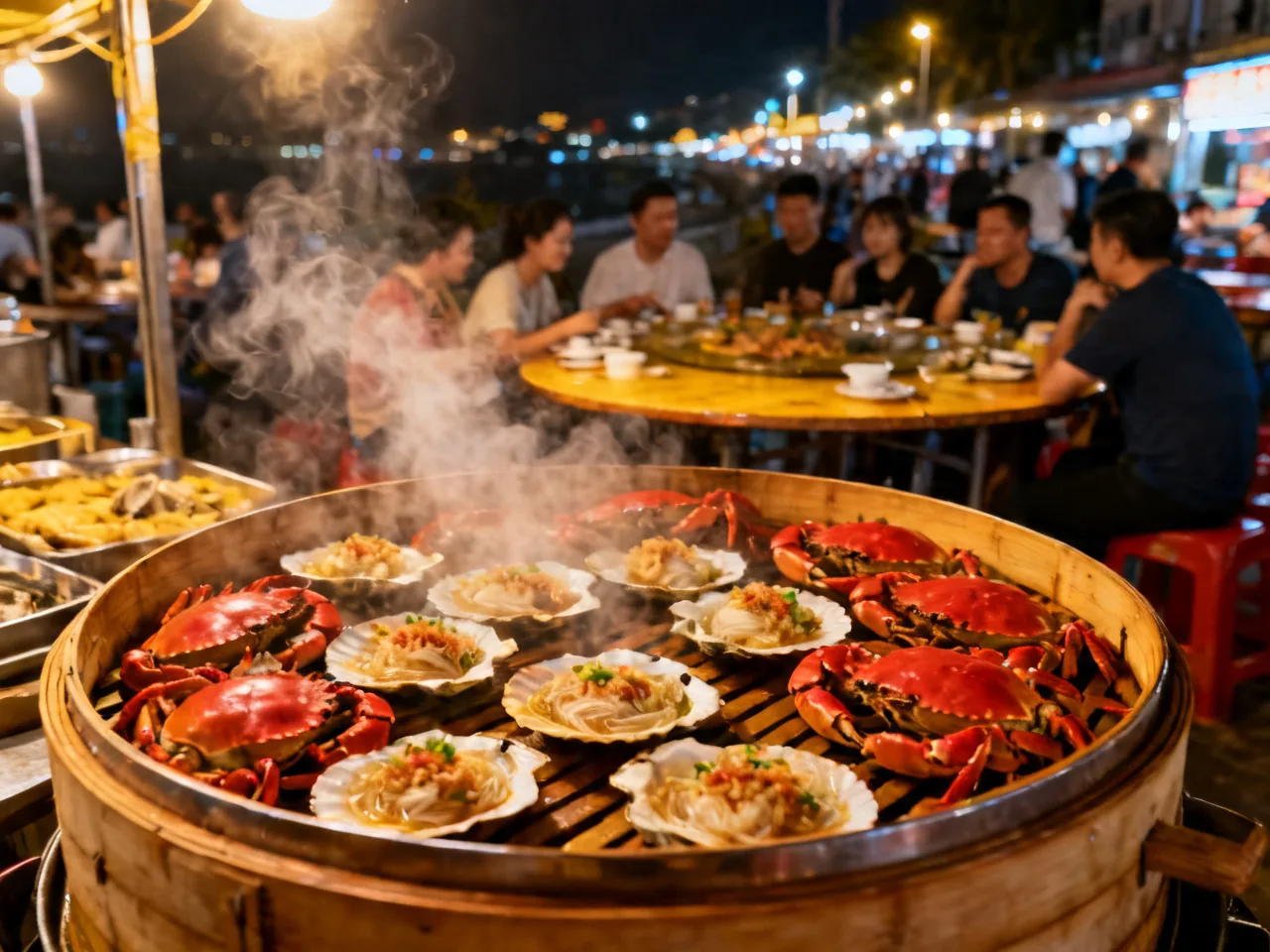
Many visitors go to Chaoshan specifically to “try” raw-marinated seafood (生腌) as a novelty. That framing misses the point.
Raw-marinated seafood in Chaoshan isn’t a specialty dish — it’s everyday food. Crab, shrimp, blood cockles, marinated in soy sauce, garlic, chili, and cilantro, eaten cold and raw. Locals call it “poison” — not because it’s dangerous, but because it’s addictive. The logic: Chaoshan is coastal, ingredients are extremely fresh, and cooking is actually a form of degradation. Raw marination is eating the ingredient at its peak — not novelty-seeking, but respect for the ingredient.
First-timers: start with marinated shrimp, not crab. Shrimp is more approachable, shorter marination time, the sweetness comes through more clearly.
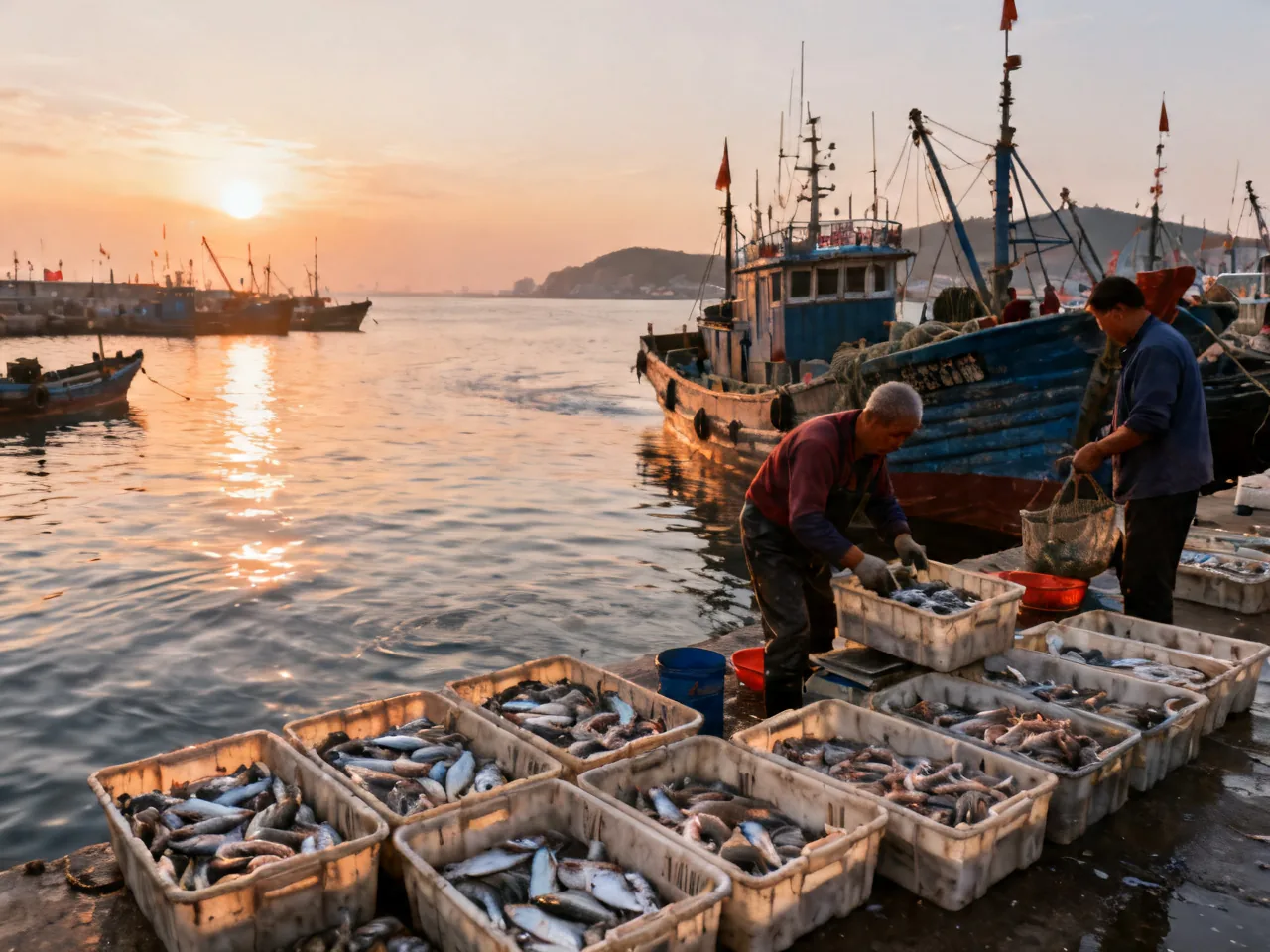
Zhanjiang oysters are large, meaty, and cheap.
The standard preparation at night markets is charcoal-grilled: oysters on an iron rack, topped with garlic paste, glass noodles, and a little soy sauce, grilled until the edges just char and the juices are still bubbling in the shell when they arrive at your table. Three or four yuan each. Eating ten in one sitting is normal. Zhanjiang people have a quiet confidence about their seafood. They don’t feel the need to explain it to outsiders. You’ll understand when you get there.
A few principles that apply anywhere along the coast:
The wet market at 8–9am has the freshest catch at the lowest prices. Ask “today’s or yesterday’s?” — this question works in any coastal city. The closer a restaurant is to the water, the higher the markup, with no guarantee of better freshness. The places locals actually go usually have no English menu. That’s exactly where you should be.
Related Reads
- The 8 Great Cuisines of China
- Spellbound at First Bite: A Stranger’s Descent into Chengdu’s Heat
- Street Steam: The Real Pulse of Chinese Cities
- The Peppercorn Dossier: Sichuan’s Flavor Map Through a Botanist’s Eyes
- 10-Day East China Five-City Loop