The Most Important Preparation for a Qingdao Night Is Not in the Bag but in Knowing When to Slow Down
By half past seven at night, the wind by the sea was no longer merely cool. It had begun to carry a firmer edge. A young visitor from out of town stood by the railing, one hand pressing down the brim of his cap while the other searched the side pocket of his backpack. His friend briefly switched on a phone flashlight, checked the slightly damp stone underfoot, then put the screen away and said there was no need to keep moving yet—they should make sure they had water and outer layers first. In that moment it struck me that what a Qingdao night route really deserves in writing is not simply which stretch is most beautiful, but why small acts of preparation gain more weight at night than they had in the day.
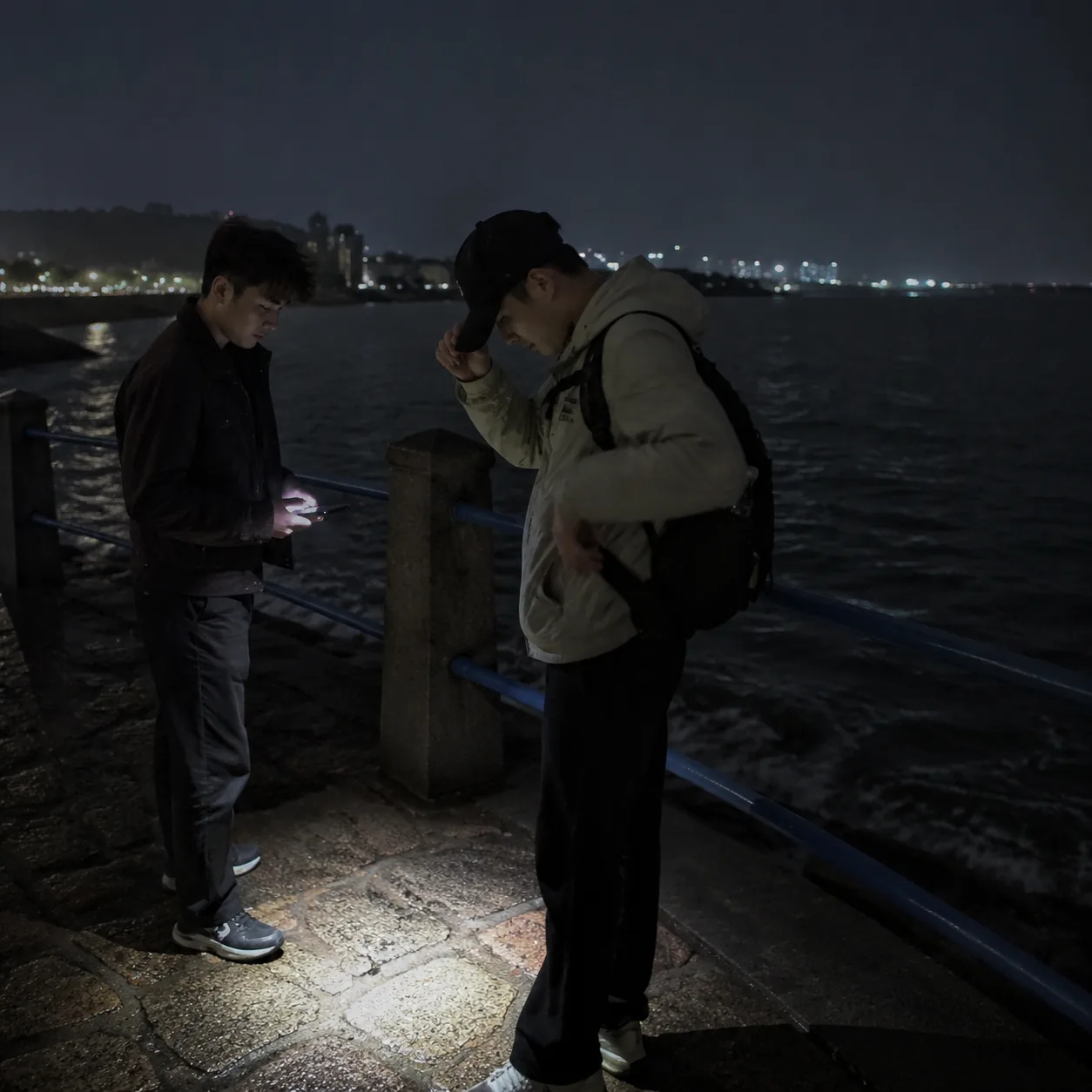
Many coastal cities are written at night as if romance emerges automatically the moment one starts walking. Qingdao can certainly be romantic, but if that is all one says, the city becomes too light on the page. After dark, sea wind, gradient, lighting, and bodily energy all begin speaking at once. A thin outer layer that felt optional in daylight suddenly proves necessary when the wind tightens the neck and shoulders. A single bottle of water that seemed enough in the afternoon becomes insufficient once stronger wind dries the mouth and breaks the stride. A slope that looked merely scenic by day suddenly reveals its direct relationship to stamina at night.
That is why a “preparedness checklist in story form” should not be mistaken for a mechanical listicle in Qingdao’s night route. The useful thing is not telling people that certain items are simply “correct.” It is showing why those small preparations save you at specific moments. A cap is not there to make the traveler look more appropriate in photographs, but to keep one from walking half the route with a hand over the forehead against the wind. Water is not routine administration, but what steadies the body after too much standing, too much talking, and a little heat pulled away by sea air. An outer layer is not over-caution, but what prevents the mind from spending the best stretch of evening thinking only about getting back indoors.
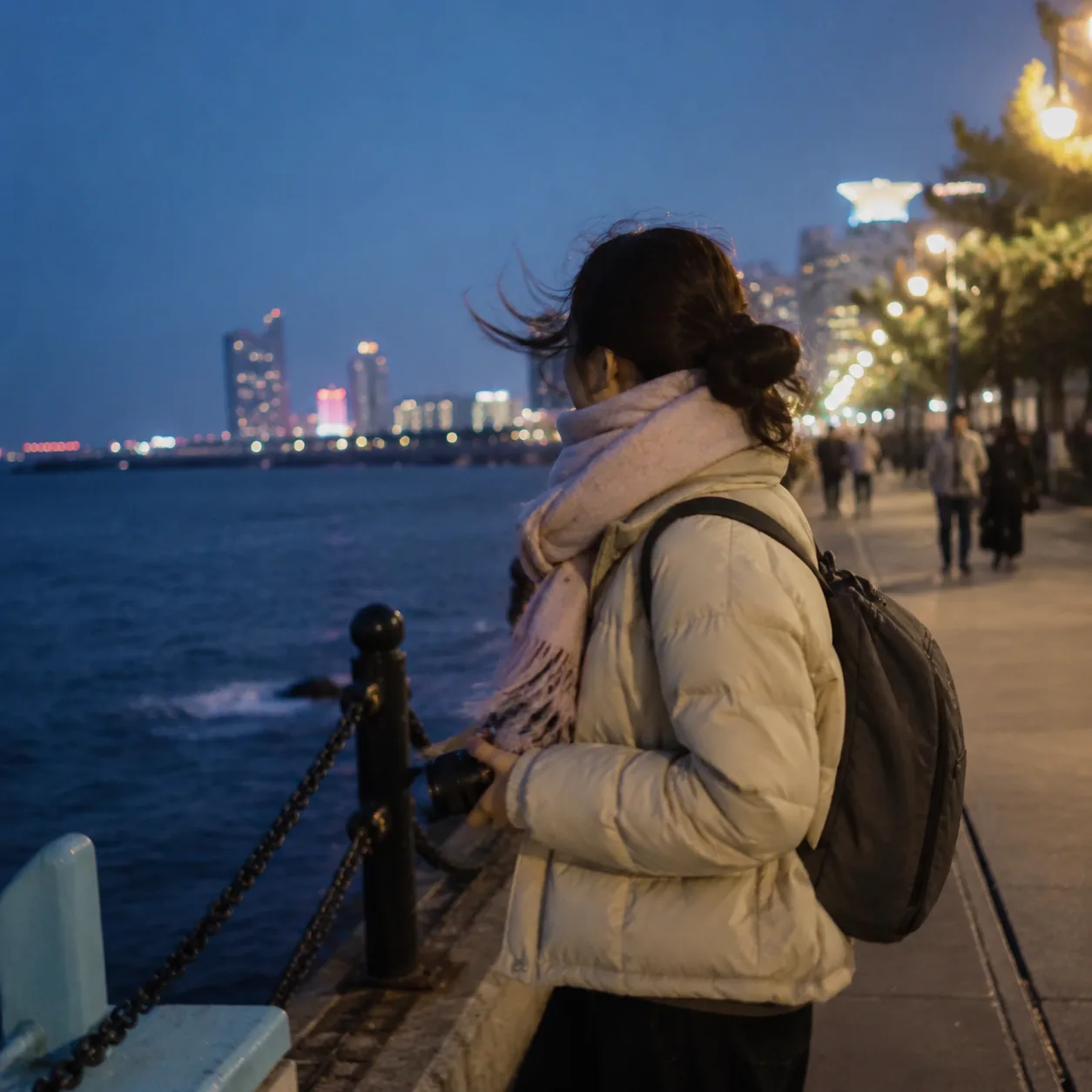
Qingdao’s night route is also unusually dependent on scale judgment. By day, the sea already distorts one’s sense of distance: what looks near often takes longer than expected to reach. At night the distortion grows stronger. Lighting draws distant points closer while the wind breaks the stride apart, and many people end up thinking that one more little section is easy to add at precisely the moment when they should begin stabilizing the route. Without some preparation holding the evening up from underneath, the route can shift from pleasant to draining very quickly.
I increasingly feel that the most mature way to walk Qingdao at night is not to keep moving forward like a film character, but to admit at certain points that one must prepare in order to deserve the next stretch of darkness and light. Some people sit inside a shop for five extra minutes and finish their water. Others put the jacket on properly instead of carrying it over an arm. Still others reorganize tissues, power bank, mask, and route screenshots before entering the broadest waterfront section. These are tiny actions, yet they are exactly what turns an evening route from accidental wandering into controlled comfort.
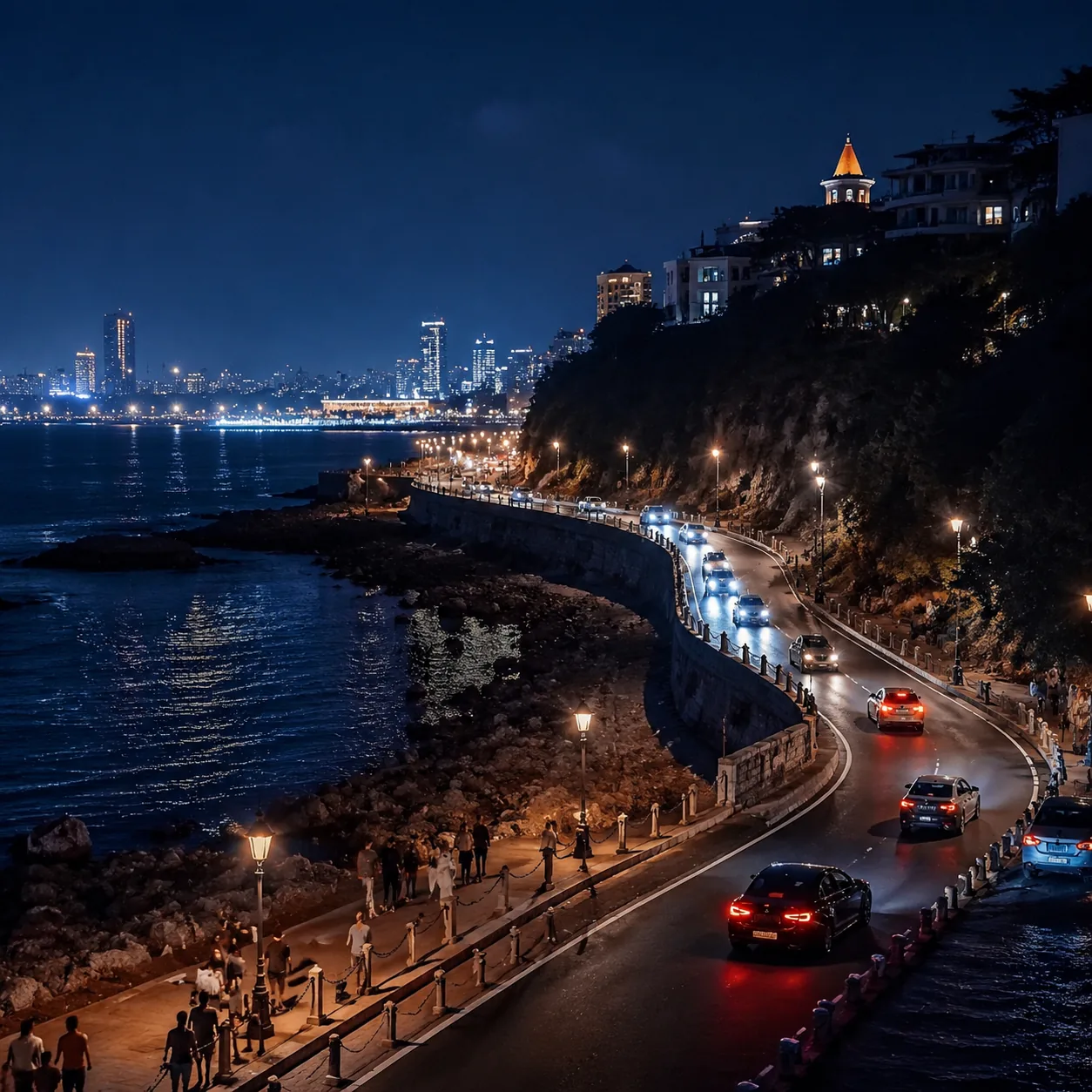
And this kind of preparation does not destroy the looseness a coastal city should have. It is what allows looseness to become real. Many people misunderstand relaxation and imagine it means no planning, no checking, no pausing—simply walking wherever the mood leads. Qingdao does not work like that at night. Its looseness is closer to composure after care has already been taken. Because cold, thirst, wind, slope, and the return leg have already been considered, one can stand by the railing and give attention fully to the sea instead of secretly worrying about when the body will begin to stiffen.
For first-time visitors to China, this matters even more. Many Chinese cities are already dense enough in the daytime, and if one then enters a waterfront at night—a place that appears open but actually demands rhythm—emotion can scatter before stamina does. The best night route in Qingdao is not one that rewards boldness for its own sake. It rewards preparation made just well enough that everything begins to flow. The sea wind continues, the lights continue, but the relation between traveler and city becomes steadier.
As they moved on again, I saw the young man who had been holding his cap finally zip his backpack shut and continue slowly with his friend toward the sea. They were not walking faster now, but they were more stable. Farther out, the lights were gently broken by the waves, and the damp stone by the roadside reflected only the thinnest layer of brightness. In that moment it became clear to me that what Qingdao’s night route truly tests is not whether you can walk very far, but whether you carried those seemingly minor daytime preparations with you into the evening. Once those small things stand firmly in place, the night itself finally has somewhere to stand before you.