Late-Night Food Map: Xi'an, Changsha, and Chongqing
If you define late-night eating as simply “finding something after ten at night,” Xi’an, Changsha, and Chongqing may look similar from a distance: bright lights, heavy crowds, and plenty of stalls or shops still open. But once you step in, their deep-night logic turns out to be completely different. Xi’an feels like a street network that grows more fragrant as you walk. Changsha is a night-market stage where chili oil, sweetness, and social energy blend together. Chongqing feels more like a hillside kitchen that keeps accelerating under steam and heat.
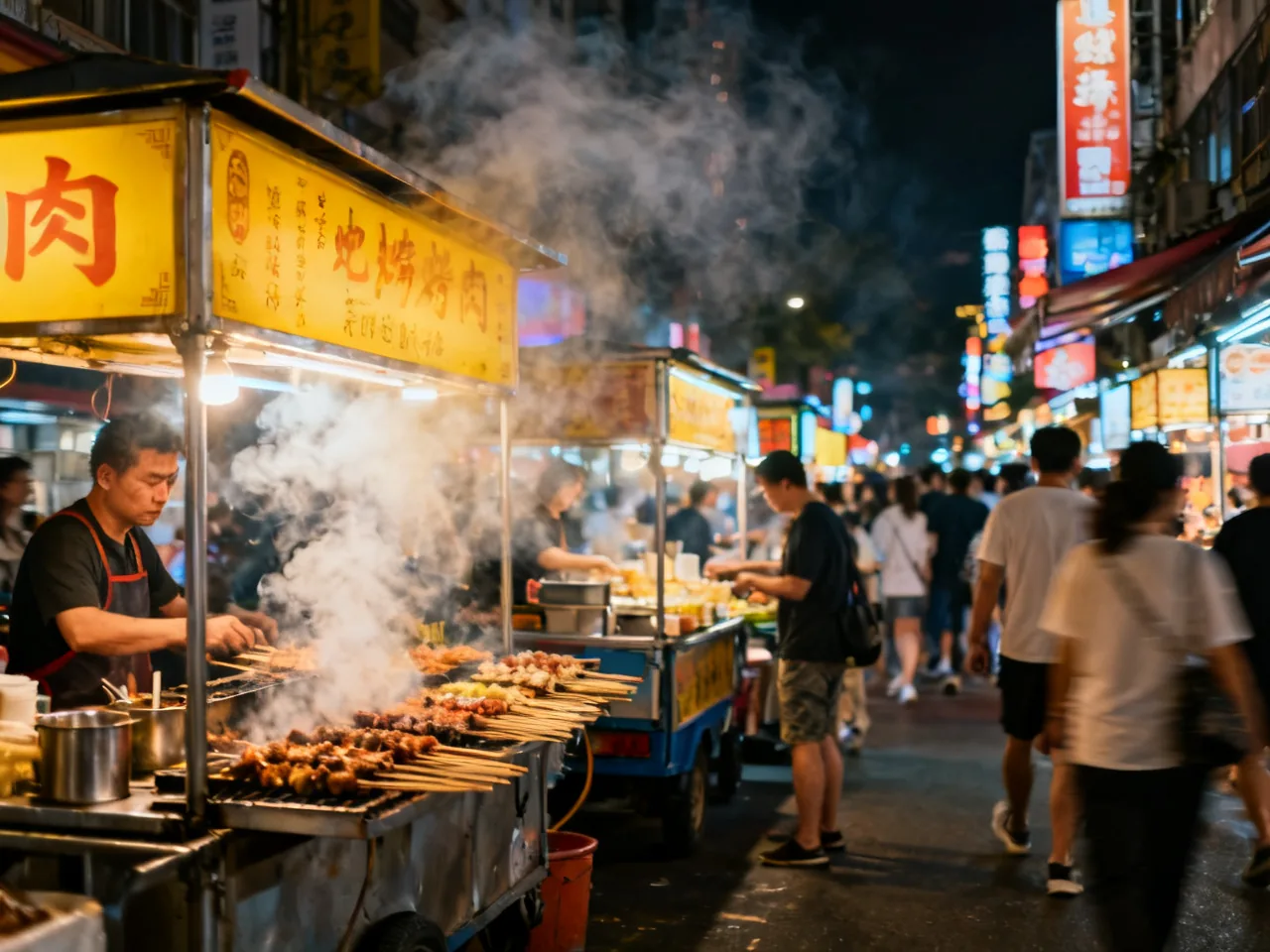
Xi’an: Best for Deciding While You Walk
Xi’an is powerful at night because it gives you permission to decide as you move. First comes the smell of cumin and grilled meat, then the calls from vendors, then suddenly a noodle dish, roujiamo, or sweet snack cuts your route in half. The city does not always reward rigid planning. It rewards leaving room in both your stomach and your curiosity so the route can assemble itself on foot.
That freedom also creates the main trap. If your first stop is too heavy, too oily, or too filling, the rest of the night collapses. In Xi’an, the first bite should not be the most extreme one. Start with a stable baseline, then decide whether the night deserves escalation. Treat late-night eating like a series, not a single grand finale.
Changsha: Late-Night Food Is Also a Social Mood
Changsha at night feels more like a collective urban event. Young people, friend groups, photo-takers, and queuing diners all blend into the scene. Food is not the only protagonist. The atmosphere itself is part of what people are buying. Crayfish, stir-fried toppings, sweet fried notes, chili heat, and drinks often overlap, so the flavor route does not unfold as organically as Xi’an’s street flow. It keeps getting interrupted by new signs, new stalls, and new temptations.
That means Changsha rewards one pre-decision more than Xi’an does: decide the night’s main flavor direction early. If you want everything, the result is often a messy overload of heat and oil. A smoother night comes from choosing whether you are here for one heavy shared table, one focused street snack mission, or a more social sequence of smaller bites.
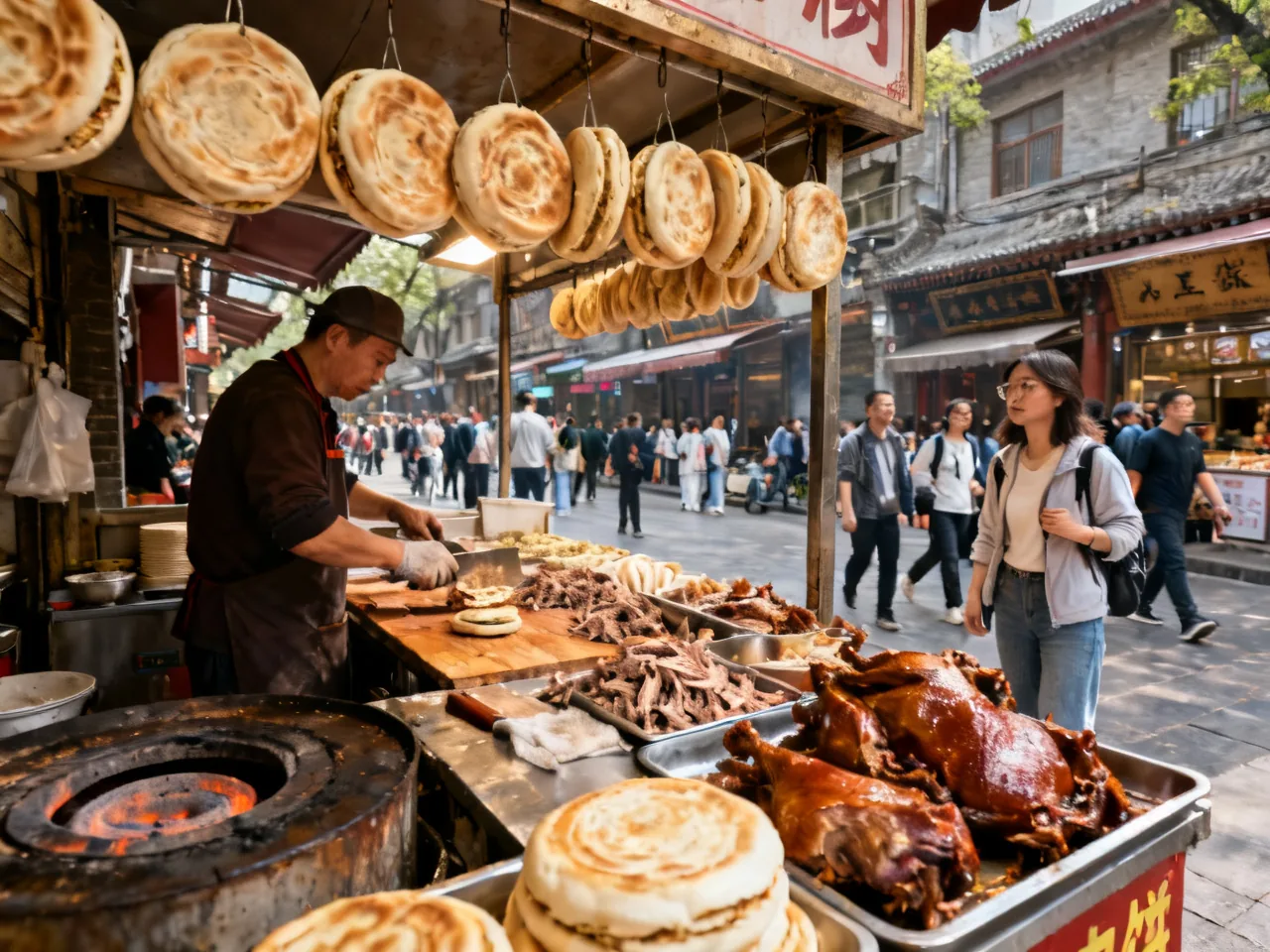
Chongqing: Night Eating Works With the Terrain
Chongqing’s late-night food is memorable not only because the flavors hit hard, but because the terrain itself participates in eating. You may finish one stop at the bottom of a slope and then climb stairs before the next. You may leave one steaming room only to find another, even more crowded entrance around the corner. The mountain-city layout binds movement and food together, making the experience feel physically layered in a way that many flatter cities do not.
For the same reason, Chongqing is not a city for overly cautious ordering. Late-night food here is not designed mainly to comfort. It reminds you that the city’s heat, grease, and tempo are inherently intense. You do not have to choose the spiciest option, but you should accept that the night may not be gentle. For many visitors, that lack of gentleness becomes the most memorable part.
The Real Map Is Rhythm, Not a List
If you are still looking for one final answer to which city wins at late-night food, my view is simple: you do not need one. Xi’an rewards deciding while walking, Changsha rewards choosing a flavor direction before entering the night, and Chongqing rewards surrendering your body to heat and elevation. Their charm lies not in competition, but in the different ways they teach you to enter the evening.
If you want more related reading on the site, continue with another article on how Chinese cities eat and a related street-snack piece. A useful late-night food map is never only a list of shop names. It is knowing how to plan the first bite, the second stop, and the last lingering taste in each city.