Before Buying Scenic Tickets, I Learned to Confirm Date and Entry Time
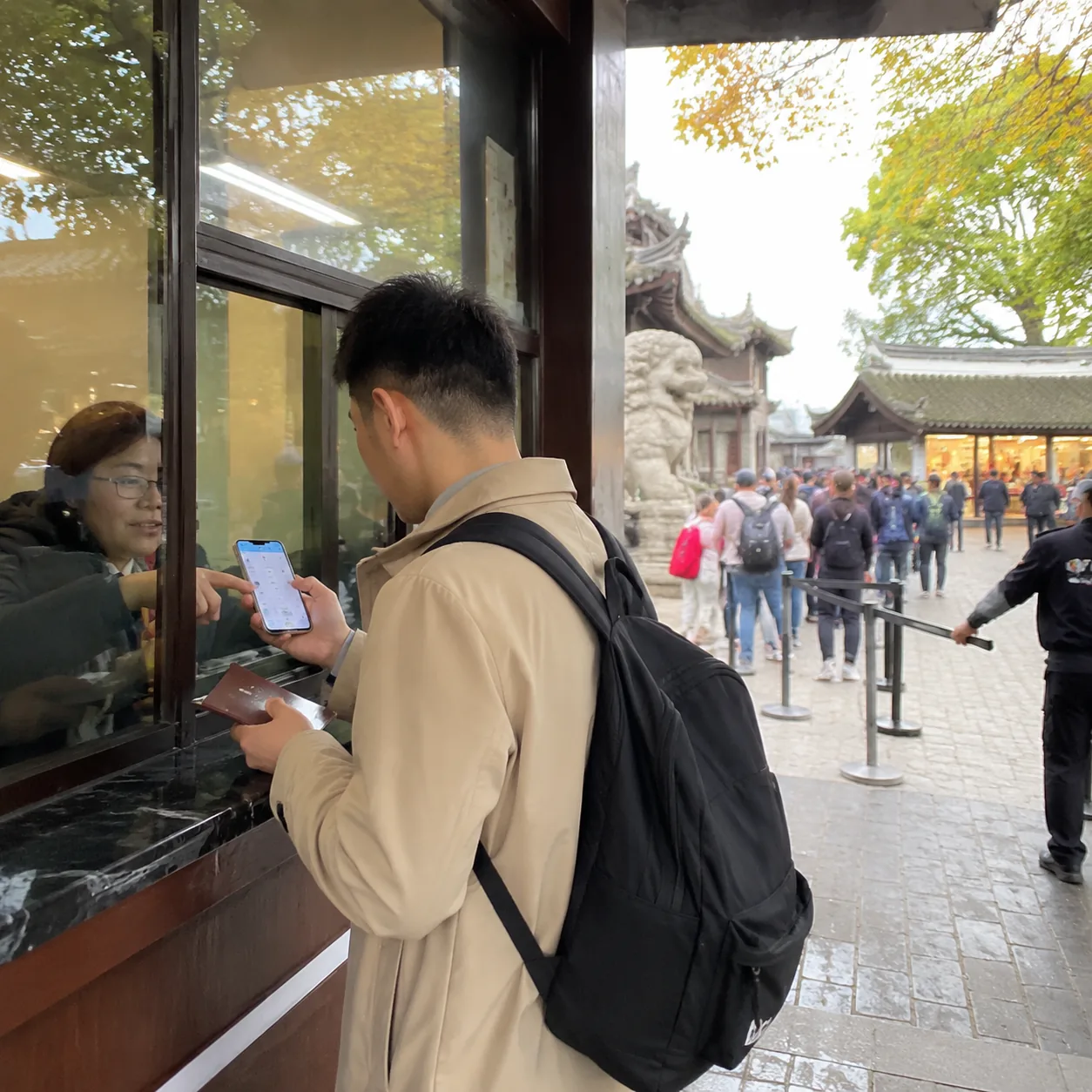
At 8:40 on the morning of October 18, 2025, I stood before the ticket window of a classical garden in Suzhou, holding my passport in my right hand and my phone in my left, the reservation page glowing on the screen. The ginkgo leaves near the entrance were just beginning to yellow, and a security guard pulled the barrier tape farther outward, making the queue stretch from the stone lions to the souvenir shop. I had assumed buying a ticket meant paying, receiving a QR code, and following the crowd inside, until the staff member behind the glass tapped gently toward my phone and asked whether I really wanted a ticket for that morning. I looked down and saw the date had defaulted to the next day, and the entry window was set for the afternoon. My face grew warm. Nobody behind me rushed me; someone only shifted an umbrella to the other hand. In that moment I understood that buying tickets at a Chinese scenic site is not over once you reach the window. You first need to check the date, the entry time, your documents, and the rules one by one.
The staff member was not impatient. She slid my phone back through the small gap beneath the glass and traced an order in the air with her finger: first the date, then the time window, then the document type, and finally the refund and change policy. She explained that morning tickets were limited, and if a foreign visitor bought a ticket with a passport, the name and document number had to match the document shown at entry. If I bought tomorrow’s ticket now, I could not use it today. If I missed the entry period, some tickets might be adjusted within the same day, while others would follow the stated policy on the page. Her Chinese was clear, and a younger colleague beside her added in simple English, “Check today, morning, passport, refund rule.” I repeated it after them, as if learning a very practical travel sentence. I had always treated scenic tickets as the most mechanical step of a trip, but at that window I saw for the first time that the small print carried a real order behind it.
I stepped aside to a stone bench and started again. The morning wind crossed the water, carrying the scent of osmanthus and damp wood. In the distance, someone adjusted a child’s scarf, while another person kept an ID card in a clear plastic holder. The page on my phone was not complicated; I had simply looked too quickly. The date field sat at the top, the entry window was next to the price, the document type had to be selected from a drop-down menu, and the refund information was hidden inside the purchase notes, which had to be opened to show the full text. I changed tomorrow to today, the afternoon to the morning, the document type from Chinese ID card to passport, and then checked each letter of my name. The order of my English name made me hesitate because my passport showed surname first and given names after, while the page asked me to fill it in as displayed on the document. I did not rely on instinct. I returned to the window and asked again. The staff member looked at my passport and told me to follow the passport order, reminding me not to omit my middle name.
An auntie from Shanghai standing nearby overheard us and told me with a smile that she had almost bought tickets for the wrong date the previous month when taking relatives to a museum, because she assumed the system would automatically select the current day. She said many popular scenic areas and museums now divide visitors by entry periods, and morning or afternoon is not a decorative choice but part of crowd management. She showed me a screenshot of her own order, with the entry time clearly displayed and a reminder below asking visitors to carry valid personal identification. She said she used to think such reminders were wordy, but after once forgetting her document and searching her bag at the entrance, she realized the warnings were not meant to create trouble but to reduce disputes on site. As I listened, the queue kept moving forward. Sunlight fell on the glass of the ticket window, reflecting a pale white layer that seemed to hold everyone’s impatience outside for a while.
Before submitting the order again, I opened the refund and change policy and read it twice. The text had none of the excited tone common in travel advertisements. It simply stated under what conditions refunds were possible, before what time changes could be made, that refunds were not available after entry verification, and that tickets for certain events might not allow changes. In the past, I often swiped past such notices, assuming I would not make mistakes or change plans suddenly. But travel is very good at interrupting confidence: the metro can arrive late, rain can grow heavy, a companion can feel unwell, a phone can lose power, and even construction at an intersection can make you miss an appointed entry period. After reading the rules, I did not feel more nervous; I felt steadier, because I knew exactly what I was buying. Those few dozen seconds before payment felt like fastening a firm button on the next half day of the trip.
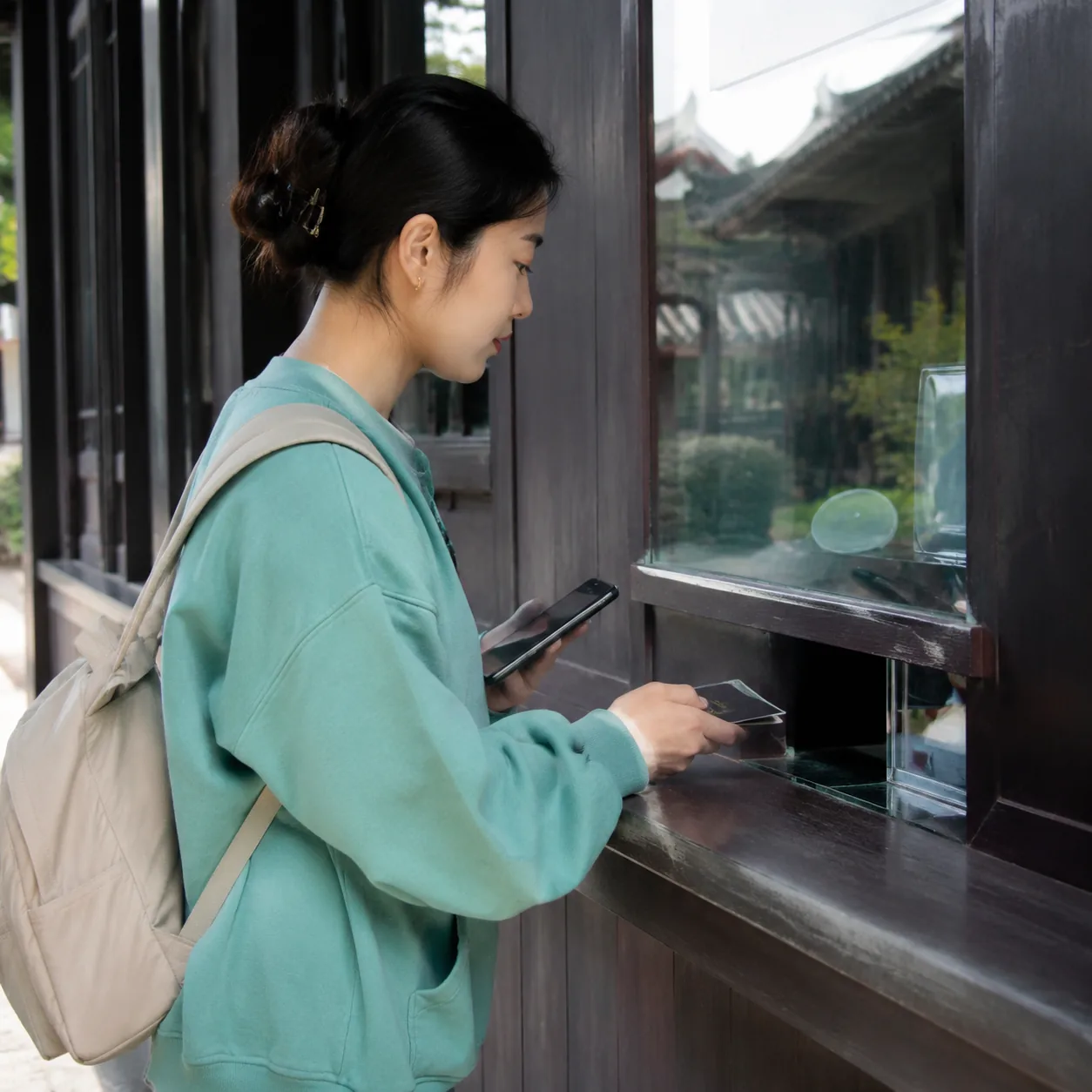
After payment succeeded, the page displayed a QR code and an order number. I did not rush toward the entrance immediately. Instead, I followed the order the staff had just taught me and checked once more: the date was today, the entry window was morning, the document was passport, no letters were missing from my name, the number of visitors was one, and the refund policy had been read. Then I took a screenshot, raised my phone brightness, and placed my passport in the outer pocket of my small shoulder bag. At the gate, the attendant scanned the code and asked to see my passport. He looked for only a few seconds, confirmed that the name and number matched, and gestured me inside. There was no dramatic surprise in that moment, only a quiet ease from a smooth process. As I crossed the threshold, I heard someone behind me being told that their ticket was for the afternoon, while another person at the window said they had forgotten their document. Those voices did not make me feel clever; they made me realize that every reminder had a reason.
The garden paths were narrower than I had imagined. Bamboo shadows fell across the blue-gray stone slabs beside white walls, and several fish swam close to their own reflections in the pond. As I walked, I thought that if I had not stopped to check, I might have spent much more time at the gate and carried my frustration into a place meant to be quiet. Many foreign visitors traveling in China may understand “buying a ticket” as a single action, but scenic-site systems here are often connected to real-name reservations, crowd control, and document verification. It is not like buying a cup of soy milk on the street whenever you arrive, nor like paper tickets in some countries that check only the date and not identity. It is more like a small agreement: you promise to arrive at a certain time using a certain document, and the site arranges visitor flow and service according to that agreement. Once I understood that logic, I felt less resistance toward the reminders at the window and more willingness to cooperate.
At noon I went to a nearby museum, and the ticketing process deepened this understanding. The museum had no paper tickets on site. Several blue signs by the entrance listed four steps: reservation, verification, security check, and entry. A volunteer, a university student wearing round glasses, saw me pause at the reservation area and asked whether I needed help. I told him I had just learned that morning at the garden to check date and entry period. He smiled and said museums also require attention to closing time and exhibition reservations, because some special exhibitions need separate confirmation. He looked at my page and reminded me that the regular exhibition reservation was free, but if I wanted the special exhibition, I needed to choose a different ticket type, and the passport information still had to match. When I saw the word “free,” I almost tapped confirm immediately, but he asked me to read the exhibition name first. Otherwise, I might have reached the special exhibition entrance only to learn that I had booked the permanent galleries.

At the museum entrance, I saw a family of three step aside because their child’s document number had been entered incorrectly, and I saw an elderly man place his ID card against the scanner while a staff member bent down to help adjust its position. Nobody treated these actions as performance; they were simply ordinary details of public space in the city. For me, however, they became a practical lesson: documents are not a formality, entry windows are not suggestions, order screenshots are not optional, and refund policies are not a nuisance to read only at the end. Together they determine whether you can enter a place smoothly and whether your attention can remain with exhibits, tree shadows, eaves, and people instead of misunderstandings at the gate. Smooth travel often does not come from luck. It comes from spending a few minutes in advance on things that are easy to overlook.
At a little after three in the afternoon, light rain began outside the museum. I sat on a bench near the exit and organized my phone, placing the morning and noon ticket screenshots into one album named “Today’s Tickets.” I also put photos of my passport, visa page, hotel booking, and train ticket screenshots into separate albums, creating a simple way to find them. The action was not romantic, but it gave me the clear-headed feeling a traveler should have. In the past, I liked describing travel as spontaneous, believing last-minute decisions made it freer. But at popular scenic areas and museums in China, spontaneity does not mean ignoring rules. Real freedom often comes from knowing where the rules are and what choices you still have. If you understand the time, you can decide whether to eat lunch first. If you understand the refund policy, you can decide whether to switch indoors when it rains. If you confirm your document, you will not have to search your bag repeatedly at the entrance.
In the evening I passed the garden entrance again. The long morning queue at the ticket window had disappeared, and the staff had moved a reminder board to a more visible spot. It listed reservation date, entry period, personal document, and order information. I stopped and took a photo of the empty sign, not to post on social media but to keep for myself. The language on the board was plain, even ordinary, yet it summarized everything I had learned that day. I thought of my morning self, almost buying a ticket for the wrong date; I thought of the staff member behind the window who reminded me patiently; and I thought of everyone who discovered a problem only at the gate. Travel is not always a race forward. Sometimes it asks you to stop at a window, hold your phone steadily, read the words clearly, ask your questions fully, and then enter.
After that day, I developed a fixed order whenever buying tickets for scenic areas or museums in China. First I check whether the date is today or the planned date, then whether the entry period fits my transport schedule, then whether I have chosen the right ticket type, then the document type, name, and number, and finally the refund and change policy before saving a screenshot of the order. This order did not make me rigid; it reduced a great deal of anxiety on site. When friends ask why I always stand two extra minutes near the entrance, I tell them those two minutes are not wasted. They purchase peace for the next two hours. For foreign visitors especially, language, systems, and document formats already add a layer of difference, so confirmation should happen before payment rather than depending on explanations at the gate.
I also gradually understood the role of the staff. In the past, when I heard them repeat the same words, I assumed it was merely procedural reminding. Now I know they are stopping many possible mistakes before they happen. A person who selects the wrong date may need to rearrange an entire itinerary. A person who enters the wrong document information may delay all companions. A person who has not read the refund policy may argue at the window for a long time. Every day, staff face hundreds or thousands of visitors with different speeds, languages, and experiences. They compress complex rules into a few simple reminders so the site can keep functioning. The staff member that morning did not make my decision for me; she taught me the order in which to see the information needed for that decision. Such help was small, but it carried weight.
If I were to describe this experience to friends visiting China for the first time, I would not simply say, “Reserve early.” I would say that when you arrive at the entrance of a scenic area or museum, do not be carried away by the crowd, and do not rush to pay just because you see the ticket window. Pause the page on your phone and read it like a small map: the date at the top decides which day you can enter, the entry period in the middle decides what time you can enter, the document field decides under what identity you enter, and the refund rules in the notes decide how much room you have if plans change. Then keep your passport or document easy to reach, save a screenshot, raise your screen brightness, and make sure you can show the information even if the network is weak. After doing these things, go see the scenery behind the gate, and you will find one small worry has disappeared from your mind.
Suzhou did not give me a grand travel revelation that day. It gave me only a slow motion moment at a ticket window. The finger behind the glass, the date on the page, the letters on my passport, the scanning sound at the entrance, and footprints on rain-damp stone all taught me to remember the sense of order in travel. It is not something that binds people; it is a handrail that helps them avoid unnecessary detours in an unfamiliar city. As I left the garden, I looked back and saw the last group of visitors lining up to enter. Some handed their phones to staff, and others lowered their heads to check again. I knew some of them might, like me, learn one small thing at an ordinary window: confirm clearly before buying the ticket, and the scenery will truly begin at the gate.