China's Toilet Revolution: From Nightmare to Five Stars
You push open the door of a public restroom, and what hits you isn’t a foul smell but soft background music. An electronic screen above the sink displays the air quality index and stall availability. Inside the stall: a smart toilet, free toilet paper, an emergency call button, and even a small potted plant in the corner. This isn’t a five-star hotel bathroom — it’s a public toilet next to Beijing’s Olympic Park in 2024.
What did a public toilet in the same area look like ten years ago? No partitions between squat pits, floors perpetually slippery, you had to bring your own tissue, and you needed to master the art of holding your breath. Foreign tourists complaining about Chinese public toilets on social media used to be a top topic on travel forums.
Rural China’s dry toilets once had a classic description: “three walls, two bricks, one pit.” No door, no flushing mechanism, flies as permanent residents. According to the Ministry of Housing and Urban-Rural Development, there were approximately 123,000 urban public toilets nationwide in 2015, with fewer than 30% meeting second-class standards or above. The rural situation was even grimmer — over 70% of rural households used dry pit latrines at the time.
The turning point came in 2015, when the former National Tourism Administration (now the Ministry of Culture and Tourism) officially launched the “Toilet Revolution,” planning to build or renovate 57,000 tourist toilets within three years. That target was massively exceeded — by the end of 2020, over 120,000 tourist toilets had been built or renovated nationwide.
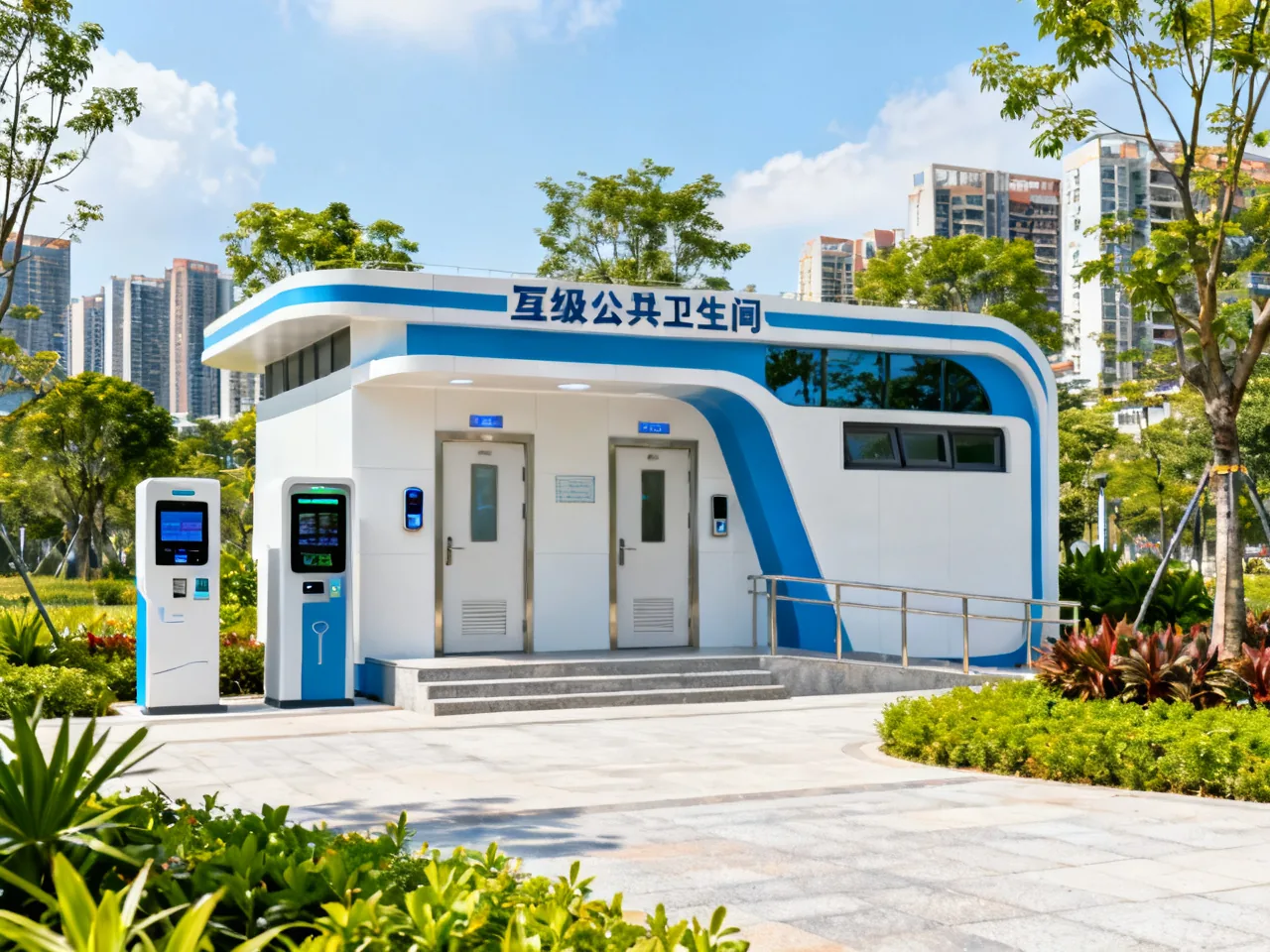
Tourist attractions were the first front conquered by the Toilet Revolution. Visit the Forbidden City, Great Wall, or Jiuzhaigou today and you’ll find toilets that are not just clean but fully equipped. The Forbidden City completed renovation of all its restrooms by 2019, adding family restrooms with baby-changing stations and accessible facilities. Some toilets at Huangshan even feature “facial recognition paper dispensers” — scan your face at the camera, and the machine dispenses paper automatically. The same face cannot request more paper within nine minutes, reportedly saving the scenic area over 400,000 yuan in toilet paper costs annually.
Near Zhangjiajie’s glass skywalk sits a “scenic view toilet” built on a cliff edge — you can admire the canyon while answering nature’s call. Near Chongqing’s Hongya Cave, a high-tech “smart toilet” displays each stall’s occupancy in real time while monitoring ammonia and hydrogen sulfide levels to automatically trigger ventilation.
Finding a toilet in big cities used to be pure luck. Now open Amap or Baidu Maps, search “公厕” or “卫生间,” and nearby public restrooms pop up like restaurants, complete with distance, hours, and user ratings. Beijing’s “Fifth Space” public toilet project has transformed restrooms into community service stations — beyond their basic function, they offer WiFi, ATMs, vending machines, and even book-lending services.
Shanghai completed “elderly-friendly” renovations of all its public toilets by late 2023, adding handrails, non-slip flooring, and large-font signage. Some Shenzhen public toilets feature nursing rooms and child-sized toilets. If you’re worried about safety and convenience while traveling in China, at least when it comes to restrooms, major cities have got you covered.
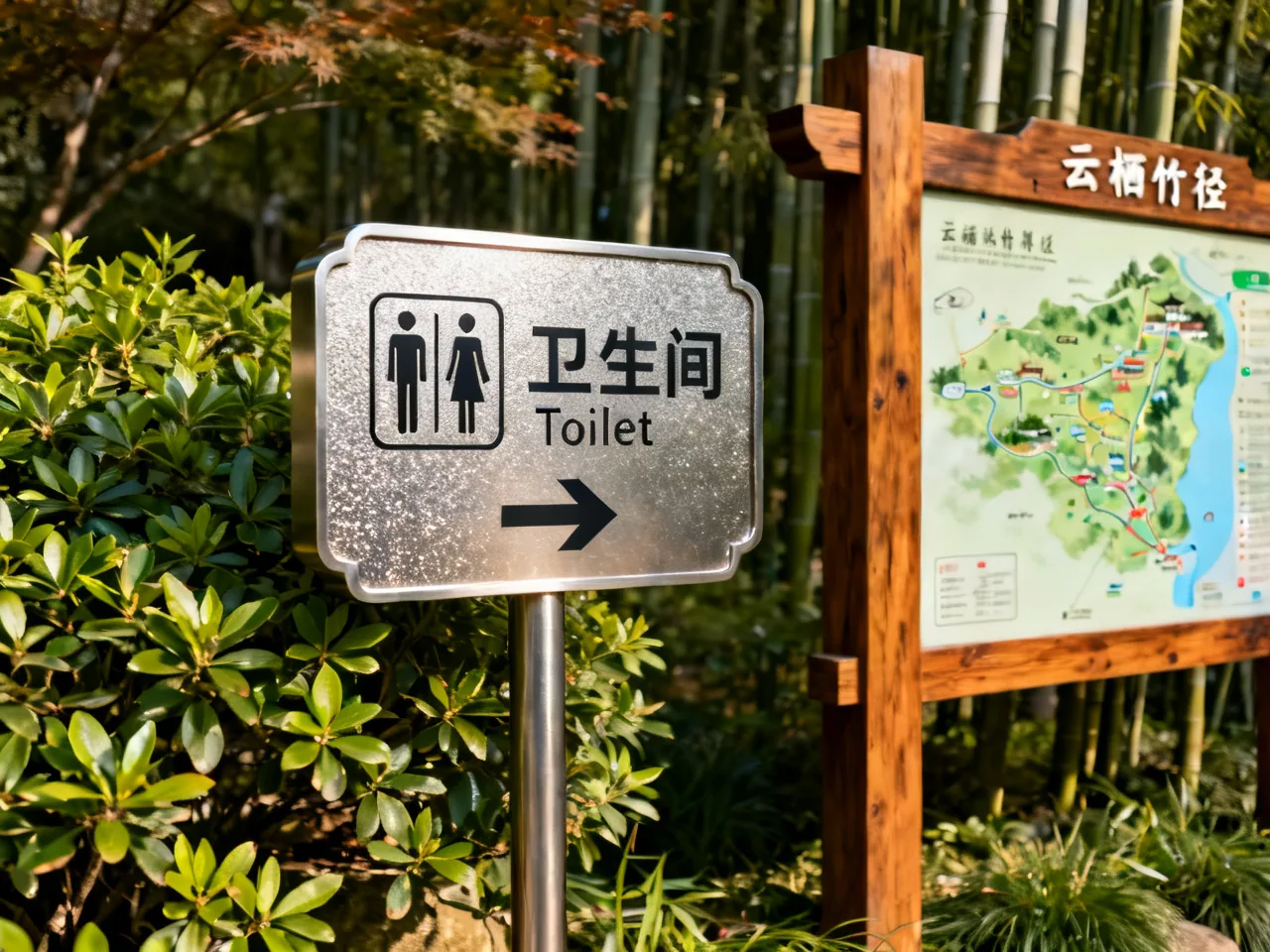
Changes in cities are obvious, but rural areas are the true battlefield of the Toilet Revolution. According to State Council policy documents, by 2025 the rural sanitary toilet penetration rate should reach over 90% in eastern regions and qualified central-western areas. This means tens of millions of pit latrines need to be converted to flush or sanitary treatment toilets.
Implementation has been fraught with challenges. In northern China, winter temperatures plunge to minus 20-30°C, easily cracking water pipes. In the mountainous southwest, complex terrain makes laying sewage pipes extremely costly. Some elderly residents who’ve used pit latrines their entire lives find modern toilets uncomfortable. But progress is real — by 2023, the national rural sanitary toilet penetration rate exceeded 73%, up about 20 percentage points from 2018.
As a tourist you probably won’t be renovating rural latrines, but the following tips could genuinely save your trip. First, always carry a small pack of tissues and wet wipes — though major cities have widely supplied free toilet paper, many scenic areas and smaller towns still operate on a “bring your own” basis. Second, learn to use squat toilets. Many public venues offer both squat and seated options; squat toilets are typically cleaner, and the queue is always shorter.
Third, download a Chinese map app (Amap or Baidu Maps) — the “find toilet” function works better than you’d imagine. Fourth, shopping malls, hotels, KFC, and Starbucks are perpetual “emergency shelters” — walk in and head straight for the restroom; no one will stop you. Fifth, if you’re on a train, the newer Fuxing models already have seated toilets with vacuum flush. But the older green-skin trains… just mentally prepare yourself.
China’s Toilet Revolution is still underway, but for a nation of over 1.4 billion people, the transformation over the past decade has been nothing short of dramatic. Next time someone complains to you about Chinese public toilets, you can tell them: go check out that five-star restroom by Olympic Park.