Beijing: Forbidden City & Hutong Deep Dive
The Forbidden City draws nearly 20 million visitors a year, yet most only walk the central axis and leave. The real Beijing lives in its hutongs. This guide shows you how to do both properly.
Beyond the Central Axis
The Forbidden City has over 9,000 rooms, but most visitors walk a single straight line — in through Meridian Gate, out through Gate of Divine Prowess, a few photos of the Hall of Supreme Harmony, done. That route isn’t wrong, but you’re missing the best parts.
The Treasure Gallery and Clock Gallery are worth separate queues. The Treasure Gallery holds Qianlong’s golden pagoda and gem-encrusted objects; the Clock Gallery displays 18th-century European mechanical clocks gifted as tribute — they perform on the hour, so arrive 10 minutes early for a good spot. Both require a small surcharge (¥10 each) on top of the main ticket, but absolutely worth it.
The Western Six Palaces see far fewer visitors but preserve the most intact Qing dynasty living spaces. Chuxiu Palace is where Empress Dowager Cixi spent half her life — furniture and furnishings remain untouched. After 3 PM, the crowds thin and the light turns golden, making it the best time to photograph this area.
Tickets & Entry
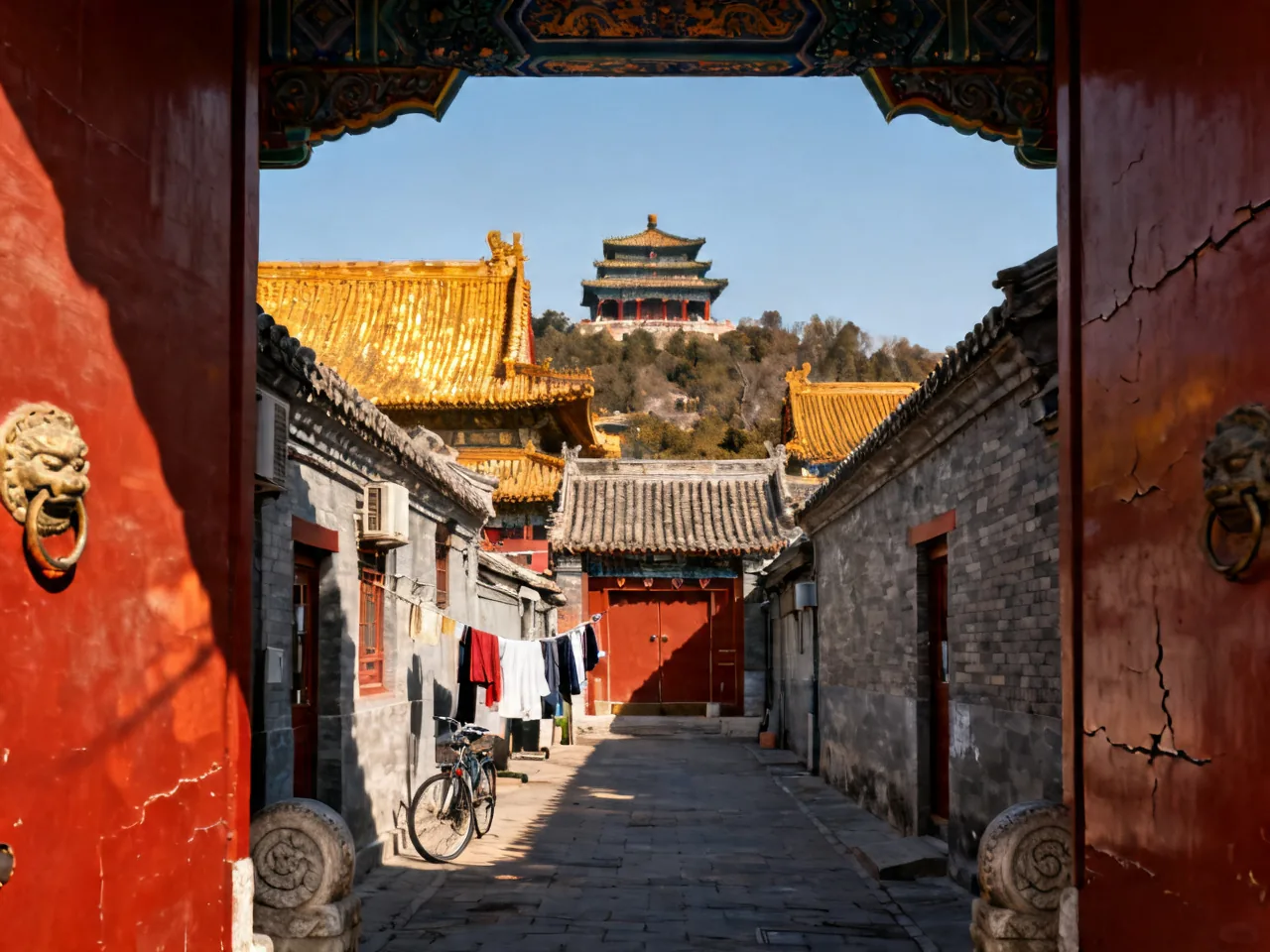
The Forbidden City requires advance online booking year-round — no walk-up tickets. Book via the official Palace Museum website (pm.dpm.org.cn) or the WeChat mini-program “故宫博物院.” During peak season (April-May, September-October), book 7-10 days ahead; for public holidays, 14 days.
Tickets cost ¥60 (¥40 in low season). Daily capacity is capped at 80,000 visitors. Gates open at 8:30 AM — arrive by 8:00 to clear security without stress. Closed Mondays.
Hutongs: From Sightseeing to Living
Nanluoguxiang has been commercialized into something indistinguishable from any other trendy street. For real hutong life, head to Mao’er Hutong, Yu’er Hutong, and Heizhima Hutong — just a few minutes east of Nanluoguxiang, but with 90% fewer tourists.
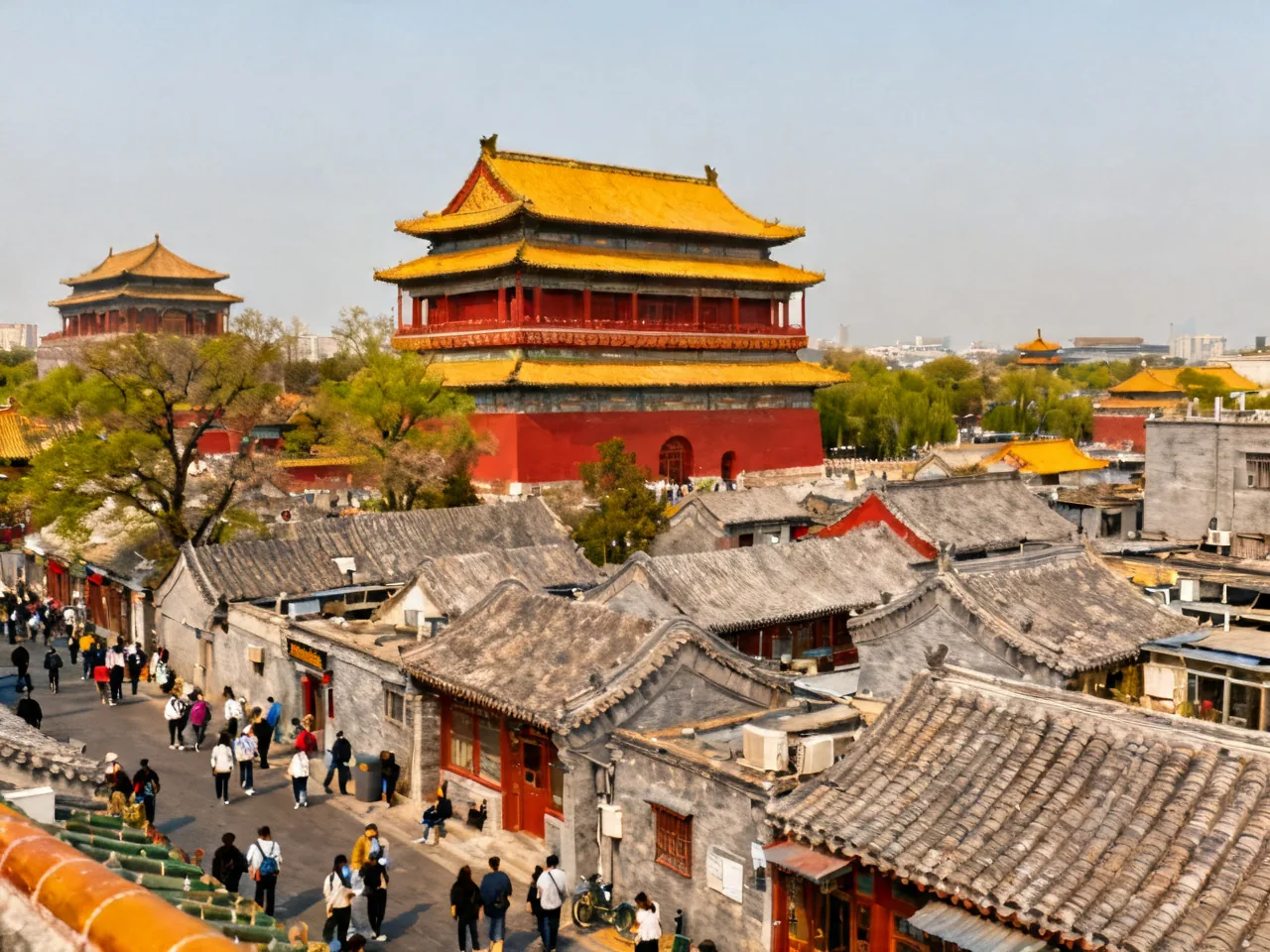
The best way to explore hutongs is by renting a bike and riding slowly. Start from the Drum Tower, head west along Yandai Xiejie, pass the willows along Shichahai lake, then wind through the alleys around Houhai — about 2 hours total, with old teahouses, elderly residents sunning themselves in courtyard doorways, and candied hawthorn carts along the way.
p>
Staying in a courtyard B&B (四合院民宿) is another way to go deep. Wake up inside a hutong courtyard and step into everyday Beijing — neighbors walking their birds, soy milk and fried dough at the breakfast stall, bicycle bells echoing down the lane. Prices range from ¥300 to ¥2,000 per night; look for reviews mentioning a “quiet courtyard.”
Two-Day Itinerary
Day 1: Arrive at the Forbidden City at 8:00 AM. Walk the central axis, then detour to the Western Six Palaces. Afternoon: Treasure Gallery and Clock Gallery. At dusk, exit through Gate of Divine Prowess and walk straight to Jingshan Park for an aerial view of the entire palace (¥2 entry — worth every fen).
Day 2: Morning bike ride through hutongs (Drum Tower → Shichahai → Houhai). Lunch at a hole-in-the-wall for zhajiang noodles or luzhu (offal stew). Afternoon stroll through Mao’er Hutong near Nanluoguxiang. Evening drink by Houhai lake.
Common Mistakes
There are no restaurants inside the Forbidden City — only a few snack kiosks. Eat before entering or bring food. In summer, bring a hat and sunscreen; the courtyards offer zero shade. When cycling hutongs, watch for one-way lanes; many narrow alleys are pedestrian-only.
Related Reads
- 10-Day East China Five-City Loop
- Lijiang Old Town: Naxi Culture & Snow Mountain Views
- Zhangjiajie Glass Bridge & Tianmen Mountain Guide
- Guilin Li River Scenic Tour Complete Guide
- Spring Bloom Map: China’s Most Beautiful Flower Fields