In Xi’an I Learned to Feel the Wind by the City Wall Before Deciding How Far to Walk at Dusk
The first time Xi’an made me seriously recalculate walking distance was not during the day, but at dusk. I had just come out near the city wall, the sky was not yet fully dark, waves of wind were moving along the brick edge, there were still plenty of visitors around, and the small shops selling water had just switched on their lights. I had planned to continue walking beside the wall for a while and then look for food near Yongning Gate. On the map, the route looked simple enough, just a bit over twenty minutes on foot. But when I paused at the roadside, I realized I did not want to start walking immediately. It was not fear. It was the feeling that the hour just before dinner, when the light is changing and physical energy is beginning to dip, is exactly when people overestimate how much more they can comfortably handle. Over time, I have come to believe that for foreigners traveling in China, the most important judgment in dusk walking is not distance itself. It is the relationship between wind, light, crowd flow, and your own body.
I used to assume that as long as the road was flat, the navigation was clear, and my phone had battery, walking another fifteen or twenty minutes at dusk was no big deal. Xi’an quickly taught me otherwise. Around historical city zones, the walking experience is not only about whether your legs still work. It is also about whether you will keep wanting to stop, whether wind and dryness will make you thirsty and irritated, and whether your judgment quality will drop right when you start choosing where to eat next. For foreigners, especially after half a day of attractions, photos, and metro transfers, fatigue often does not arrive dramatically. It leaks in gradually. Standing by the wall that evening, I suddenly thought of the logic in using route and energy management to stabilize travel rhythm, and also the framework in getting the day smooth before trying to do more. Very often, it is not that I cannot keep walking. It is that I do not need to push hardest exactly when my rhythm is most likely to break.
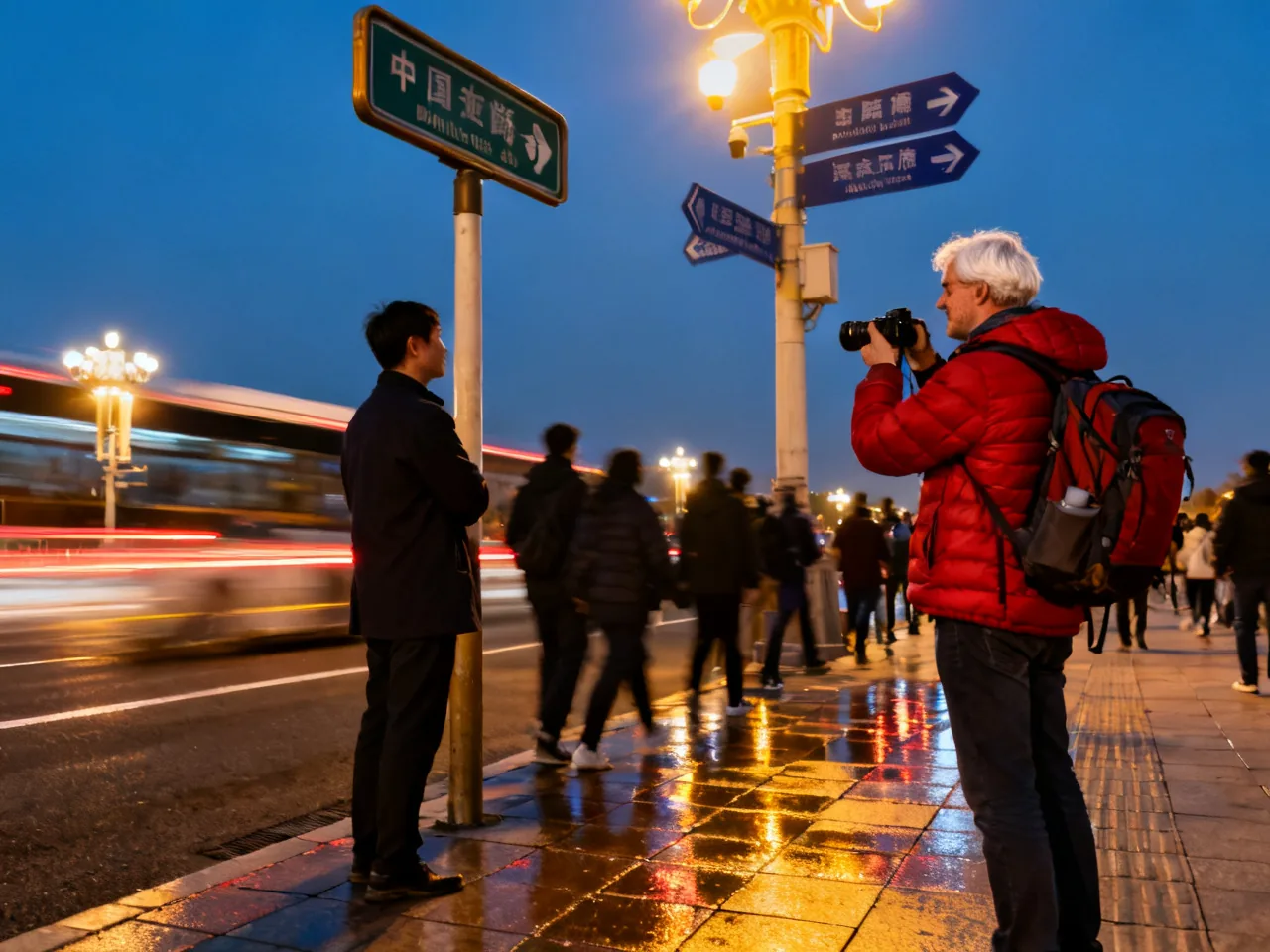
That evening I made a decision that the older version of me might have called too cautious. I bought water from the nearest small shop, stood slowly beside the wall to drink it, and only then decided whether to keep walking or take the metro for one stop instead. Those few minutes of pause illuminated many vague feelings at once. I began noticing that the wind was drier than I had first thought and that my clothes were already starting to feel cool. I also realized that I had hardly sat down properly since midday. More importantly, I could see the crowd flow toward Yongning Gate gradually accelerating. Many people had already entered the evening rhythm of finding dinner and moving to the next place. If I forced myself to use my daytime energy standard at that moment, I would probably become irritated in the second half of the walk. For me, the truly useful question was not “Can I endure it?” but “Is enduring it worth it?”
Later I summarized a set of dusk-walking judgments that work especially well in China. First, do not look only at the map time. Notice whether wind and temperature are making you spend energy faster. Second, do not look only for streetlights. Look for places where you can pause and reorganize information, such as convenience stores, mall entrances, or open space near metro exits. Third, if you still need to choose a restaurant, pay, and return to your hotel afterward, include those decision costs in this walking segment too. Fourth, if you are already thinking about sitting down again and again, the problem is usually not willpower. It is that the rhythm needs adjustment. Fifth, crowd flow around historical districts or scenic areas changes the experience of a road. The same stretch can feel completely different at 5:30 and at 7:00. These actions are actually close to the logic in breaking nighttime arrival into small judgments: do not treat the whole route as one grand challenge. Break it into several smaller decisions that can be handled clearly.
In the end, I did keep walking for a while, but not by forcing the original plan all the way through. I broke the route into sections. First reach the next brighter intersection with more shops, then decide again whether to continue. Once I did that, the walk stopped draining me so much. I even paused in front of a small shop selling Ice Peak soda and used the moment to observe which nearby street had more seated people and which row of restaurants seemed to turn tables faster. For many foreigners, travel “safety” is often understood only as avoiding danger. I increasingly believe that an even more important layer is refusing to enter low-quality judgment mode when tired. What Xi’an taught me was not to walk less. It was to stop confusing “I still can” with “I should.”
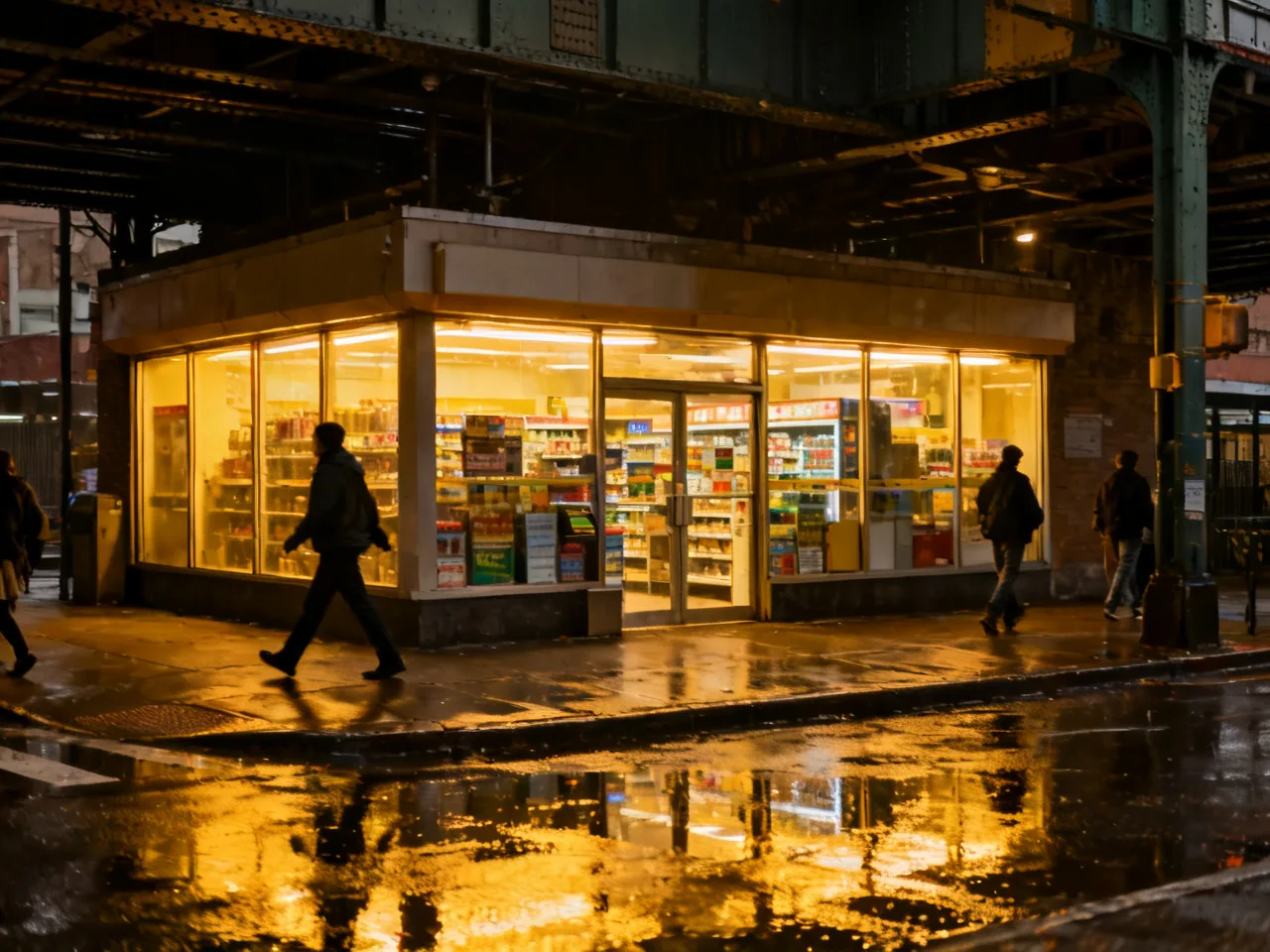
By the time night really settled, I was already sitting inside a small restaurant that was not too noisy, with a bowl of noodles and a bottle of cold water on the table and the lights near the wall still visible outside the window. Looking back, what I was most grateful for was not that I had saved a few minutes or seen one extra section of the city. It was that when the wind began to turn cooler, I did not force the trip into a physical competition. For foreigners moving through Chinese cities like this, maturity often does not mean charging forward more boldly. It means seeing earlier when it is time to slow down. That evening in Xi’an, the wind along the wall slowly carried that judgment into my head.