Guangzhou to Chaoshan: An Underrated Foodie Road Trip
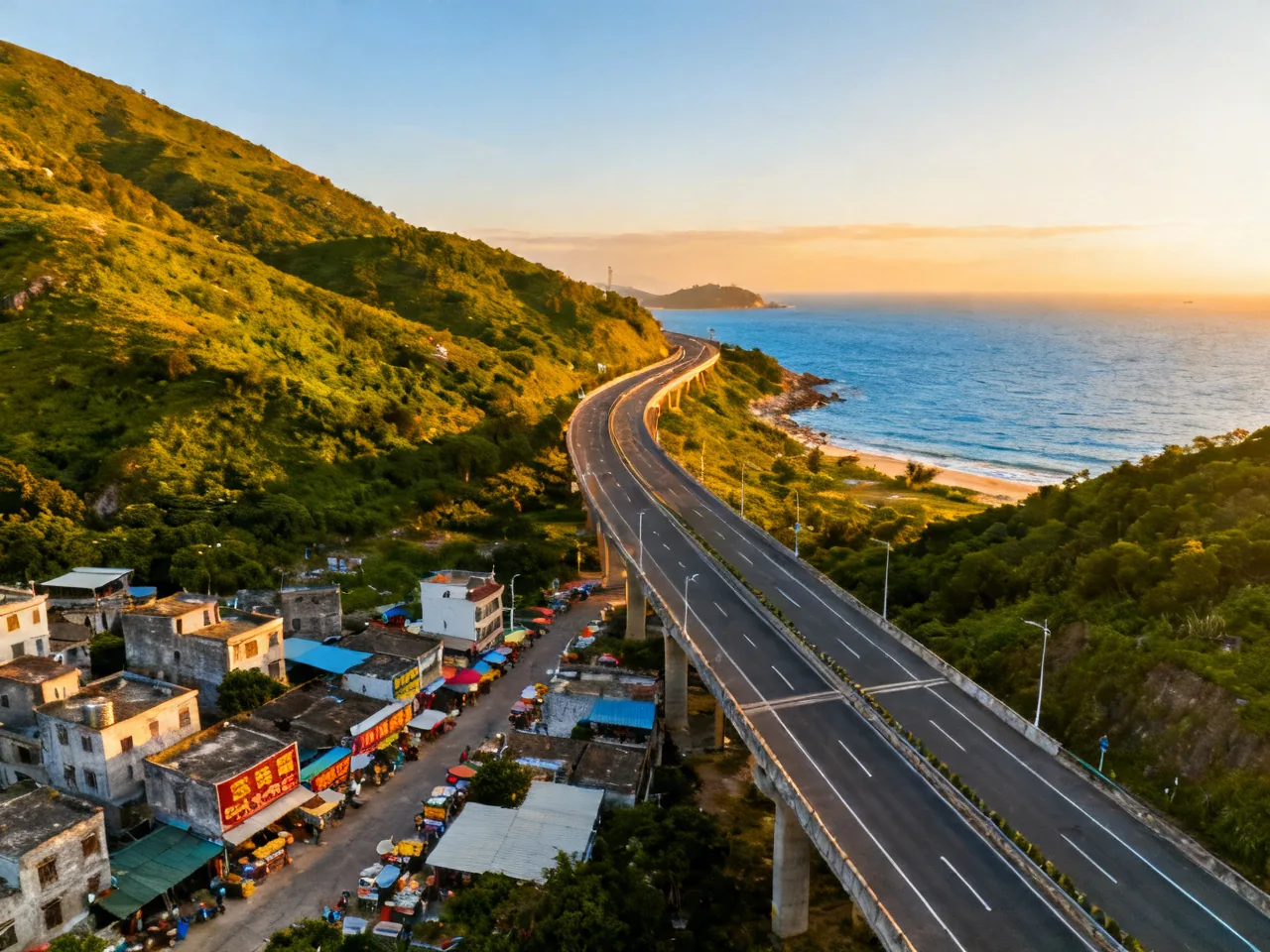
The first time I drove the Guangzhou-Shantou Expressway, I was supposedly heading to Shantou on business. What I didn’t expect was that eating would become the main event. Starting from Guangzhou and heading east along the Shenhai Expressway (G15), the full route is about 450 kilometers — roughly five hours of driving. But if you’re like me, pulling over at every town that smells of charcoal smoke and broth, budget at least three days.
Stop One: Guangzhou — Fuel Up Before You Go
At 5:30 a.m., I was already sitting in Jianji Noodle Shop in Liwan District, slurping a bowl of bamboo-pole noodles (¥18). The alkaline noodles bounce off your chopsticks. The uncle next to me was having his “first sip soup” — a pork offal broth so loaded it seemed almost free (¥25 a bowl). Guangzhou people don’t wake up to alarm clocks; they’re dragged out of bed by the aroma of simmering stock. If you have time, I highly recommend experiencing Guangzhou’s 2 AM late-night food scene the night before — wok-fried snails by the Pearl River, sweet soup shops on Changshou Road — all warm-ups before the real journey begins.
Of course, if you’re leaving later in the morning, start with a proper Cantonese dim sum breakfast. The har gow at Dimsum Prince (¥38 per basket) have wrappers so thin they’re translucent, and the steamed chicken feet fall right off the bone. Eat until you’re seventy percent full — just enough to hit the road.
Stop Two: Huizhou — The Overlooked Halftime
About two hours in, exit at Huizhou. Many people treat this city as a mere pit stop, but it hides something I can’t stop thinking about: Huizhou braised pork belly with preserved mustard greens pastry. At Huangji Bakery on Qiaodong Street in Huicheng District, one of these flaky pastries costs just ¥6. The crust shatters into layers, the filling toggles between salty and sweet, and the fermented tang of preserved mustard greens wrestles with the richness of pork belly — neither willing to yield. I bought ten in one go and discovered they were all gone long before I reached Chaoshan.
By Huizhou West Lake, the heritage restaurant Dongjiang Restaurant serves a salt-baked chicken (half bird ¥68) worth the detour: a whole chicken baked in coarse sea salt until the skin turns taut, the meat so tender you can shred it with chopsticks, salt fragrance permeating every fiber.
Stop Three: Shanwei & Haifeng — Wild Flavors by the Sea
Continuing east past Shanwei, the air starts carrying the briny scent of the sea. Linji Rice Noodle Roll in Haifeng county town is where locals have been eating since childhood. A pork rice roll with egg (¥12) — batter ground and steamed fresh to order. The sheets are slightly thicker and chewier than the Guangzhou style, dressed in a sauce of garlic-infused lard and fish sauce. One bite and your mouth floods with umami sweetness. The rice rolls here don’t chase refinement; they chase substance.
You also can’t skip Shanwei’s raw marinated seafood. At open-air stalls near Red Bay, blood clams, mantis shrimp, and paste crabs are cured in soy sauce, garlic, chili, and high-proof baijiu — still quivering slightly when they arrive at your table. Locals call it “poison” — not because it’s dangerous, but because after your first bite you can never quit. A plate of raw marinated blood clams runs about ¥35-45. Pair it with a bottle of local rice wine, let the sea breeze hit your face, and you’ll never want to leave.
Stop Four: Chaozhou — Artisan Craft in the Ancient City
Entering Chaozhou, the rhythm suddenly slows. The flagstone streets of Paifang Avenue have been polished to a shine by tourists, but duck into a side alley and old residents are still brewing gongfu tea under arcade buildings. The essence of Chaozhou cuisine lies in precision: a bowl of Huguo Cai (patriot’s vegetable soup) can transform sweet potato leaves into something with the texture of bird’s nest, and a dish of gongfu shark fin soup obsesses over the millimeter differences in knife work and heat control.
At Hu Rongquan, I had duck mother dumplings (¥15 per bowl, four pieces) — the Chaozhou version of tangyuan, with four fillings: taro paste, red bean, sesame, and shredded bamboo shoots, all bobbing in sweet soup. The glutinous rice skin is so soft it practically disappears, yet each filling has its own personality. Next door, Zaiyang Teahouse offers a gongfu tea experience (Dancong oolong, about ¥30 per person) worth sitting down for — Chaozhou people never rush their tea. Three tiny cups rotate through scalding water while conversation takes center stage.
For more routes around Chaozhou and the surrounding region, check out my earlier piece on a Guangdong-Guangxi coastal road trip, which has plenty of practical tips for the eastern Guangdong coast.
Stop Five: Shantou — The Final Destination
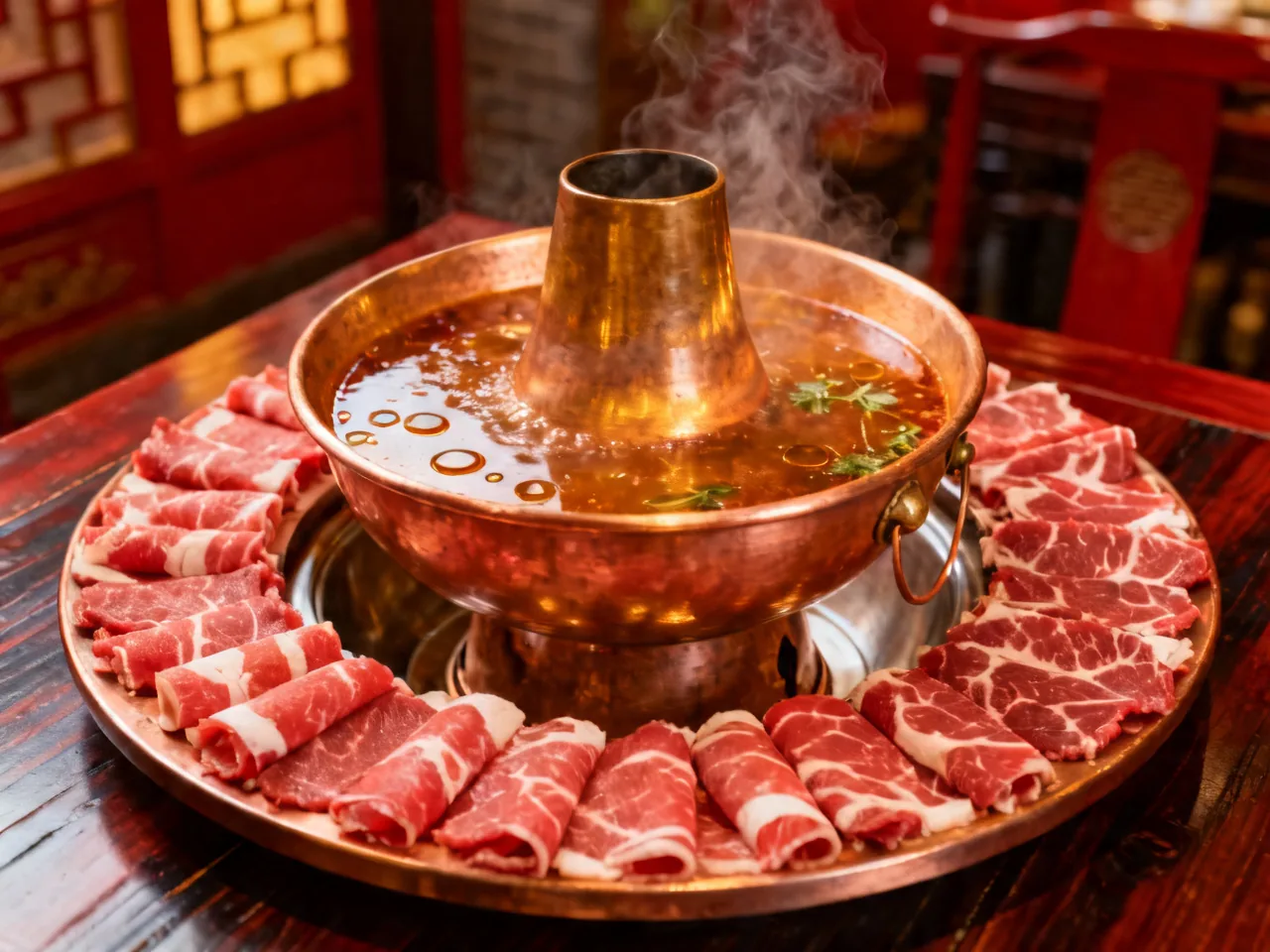
If Chaozhou is a broth slow-simmered over low heat, Shantou is the searing wok-breath of high-flame stir-fry. This city’s obsession with beef borders on fanaticism: a cow must go from slaughter to table in under four hours. Cuts are divided into over a dozen named portions — hanging dragon, spoon handle, five-flower toe, chest suet — and each has a hotpot blanching time measured in seconds.
I went to Baheli Haiji Beef Hotpot in the old city (¥80-120 per person). The server rattled off cuts faster than an auctioneer: “Hanging dragon eight seconds, spoon kernel twelve seconds, five-flower toe fifteen seconds, chest suet until it changes color!” The beef bone broth is clear enough to see through, and shacha sauce is the only condiment — a simplicity that borders on arrogance. But the moment a chopstick-load of tender beef hits your tongue, you understand that this arrogance is fully earned. Juices burst between your teeth, so fresh and sweet it doesn’t taste like beef — more like some kind of seafood.
After hotpot, the late-night eating continues. Shantou’s Laomugong rice dumplings (¥10 each) are a masterclass in sweet-salty coexistence — glutinous rice wrapped around pork belly, shiitake, dried shrimp, chestnuts, and lotus seeds, drizzled with sweet sauce. This is probably the ceiling for southern-style zongzi. On Changping Road, Aixi Dry Noodles (dry noodles + offal soup, ¥22) is a midnight carb bomb: alkaline noodles tossed in lard and scallion oil, paired with a bowl of pork heart and liver soup. It warms you from the inside out — the perfect finale for a food road trip.
Practical Info
Route overview: Guangzhou → Huizhou (~150km) → Shanwei/Haifeng (~160km) → Chaozhou (~100km) → Shantou (~40km). Total distance about 450 km. Self-driving recommended; expressway tolls ~¥180. Alternatively, buy HSR tickets from Guangzhou to Chaoshanzhan on 12306 (2nd class ~¥200, 3 hours), then rent a car locally.
Best time: October through March. Cool weather, fattest seafood, peak season for blood clams and paste crabs. Avoid Chinese New Year and National Day Golden Week.
Budget: Three days two nights, ~¥500-800/person on meals, ~¥200-350/night accommodation. Total ¥1,500-2,000/person is doable. For more Guangdong travel inspiration, check Dianping.
I’ve driven this route three more times since. Each time I tell myself “I’ll eat less this trip,” and each time I break that promise at a raw-marinated seafood stall in Shanwei. These 450 kilometers don’t just connect two cities — they bridge two entirely different culinary philosophies: Cantonese cuisine’s pursuit of layered freshness versus Chaoshan’s obsession with pushing ingredients to their absolute limit. The best road trips in China don’t end at a scenic lookout. They end at the next meal.