In Qingdao I Learned to Treat Waterfront Walking and Hydration as One Task
Coastal cities make it very easy to misjudge your stamina. When the wind is blowing, the temperature feels lower than it really is, and once the view opens up, your feet keep going farther almost without permission. The first time I walked the waterfront in Qingdao, that “it feels easy” illusion fooled me completely. Leaving Zhanqiao Pier, I only wanted to watch the sea, the rocks, and the couples taking wedding photos. I assumed that with the breeze, shops, and occasional seating, it could not be too tiring. But halfway through, I realized that waterfront walking is very different from ordinary city strolling. Sun, reflected light, thirst pushed by wind, and the irresistible urge to keep stopping for photos all drain your energy together. For a foreign visitor who is also checking routes, judging transport, and watching personal belongings, the drain becomes even more hidden.
I truly learned this lesson at around two in the afternoon. The sunlight was hard, the sea surface was bright enough to sting the eyes, and while I still thought everything looked beautiful, I also began telling myself that I was “only a little thirsty” and therefore fine. Then I reached a slight uphill corner and suddenly noticed my attention dropping. I did not even want to look at the map anymore. I just wanted to sit down somewhere quickly. That condition is more dangerous than it sounds—not because Qingdao’s waterfront is frightening, but because mild dehydration makes people overestimate themselves. Later I remembered some articles about keeping everyday travel rhythm smooth in China, such as using route and energy management to stabilize a day and making the day function before measuring how much you saw. Suddenly those ideas seemed not conservative but extremely practical.
After that, I stopped treating hydration as a random action and made it part of my waterfront route. In other words, I no longer thought, “I’ll buy water when I feel thirsty.” Instead, I estimated in advance where the next convenient refill point would likely be: a convenience store, café, scenic entrance, visitor center, or at least a place where I could sit for two minutes. The biggest benefit was not merely physical comfort. It was that my judgment no longer collapsed suddenly. Many foreigners traveling in China’s coastal cities focus primarily on scenery and photos. In practice, though, whether you can drink water steadily, sit down now and then, and sometimes take in a little salt or sugar often matters more for whether you still have the mood to continue walking. Qingdao’s seafront looks open, relaxed, and pressure-free, and that is exactly why it makes people delay basic self-care.
Later, when I walked from Badaguan back toward the sea on another day, I deliberately packed a small bottle of water and noted two places where I could resupply. That day I moved much more calmly. I was no longer thinking, “I’m still okay, I can push a bit more.” I knew roughly when I should pause and when I could continue. At one point I sat outside a seaside café for ten minutes, drank water, watched cyclists and families with strollers passing by, and then resumed. I loved that state because it was not rest forced on me by exhaustion. It was rest built deliberately into the rhythm. For travelers, that difference matters a lot. The first state often comes with irritation and poorer judgment; the second helps preserve your ability to observe the environment clearly.
If I advise a friend visiting Qingdao for the first time now, I always put hydration into the route itself, not into a side note. For example, on the walk from Zhanqiao to a later stretch of coastline, you can make a small rule like “refill when I see the next convenience store.” If the midday sun is strong, do not place your longest walk in the brightest hours between one and three. If you plan to continue to Laoshan or somewhere else later that day, then your morning waterfront stroll should be even more conservative. More concretely, a hat, a light bag, water that is easy to reach, and the willingness to enter a shop and sit for five minutes are all part of seaside safety. None of this sounds dramatic, but it determines whether you still have the energy to enjoy the city afterward.
Because of this, I also rethought what it means to be “good at traveling.” I used to define it as full routes, fast movement, and broad attraction coverage. But Qingdao’s waterfront taught me a different kind of maturity: can you still respect your body’s signals in the environment that looks easiest of all? Many things that ruin a trip are not dramatic emergencies. They are the repeated moments when you tell yourself that mild thirst, mild fatigue, or mild sun exposure is “nothing.” This fits what I later learned in other cities as well—real steadiness often comes from handling tiny risks early, not from forcing yourself through them in the moment.

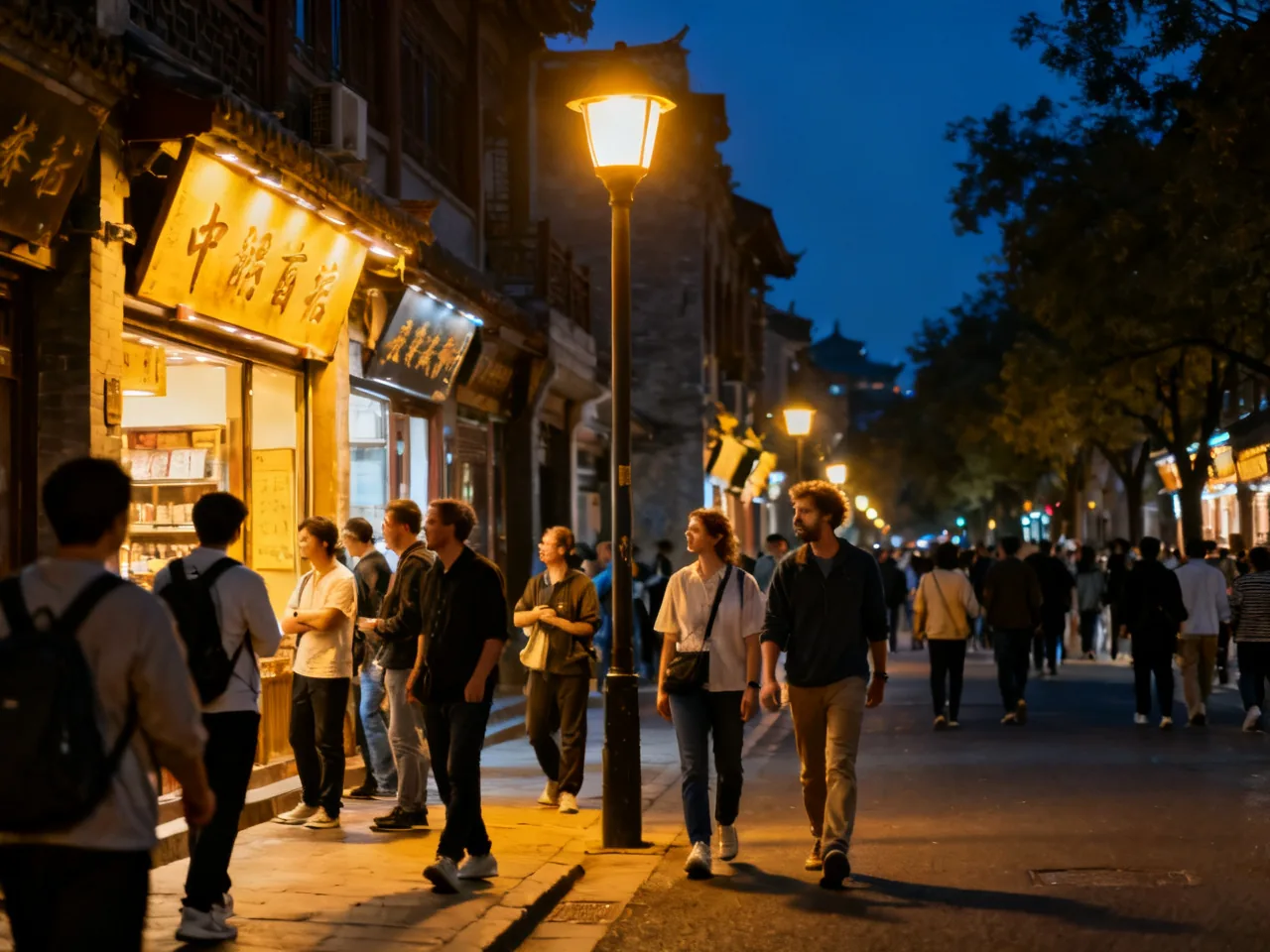
By evening, the light over the waterfront had finally softened, and the people on the road had shifted from hurrying under umbrellas to strolling slowly. Holding the room-temperature water I had just bought from a convenience store, I sat by the railing and watched the sea turn from bright white to gray-blue in the distance. In that moment I knew very clearly why I was still able to enjoy the view with ease. It was not because I had become stronger at walking. It was because I had finally learned to treat waterfront walking and hydration as the same task. For foreigners, this adjustment is worth making because it protects not only the body but also judgment and mood. In future coastal cities in China, I will probably carry this habit with me: a route should be shaped not only by scenery and distance, but also by drinking points, shade, and places where you can pause briefly. What makes a journey run smoothly is never only what you managed to see. It is also how you cared for yourself well enough to keep seeing.