A Table-Corner QR Code Taught Me to Check the Shop Name Before Paying
The first time I seriously noticed a table-corner QR code in a small Chengdu noodle shop was because of a bowl of dandan noodles. It was raining lightly at noon, and the plane tree leaves along the street shone under the water. I came out of the metro station and walked down a not very busy road looking for lunch, finally drawn into a shop by a red sign that said freshly mixed dandan noodles. There were only six or seven tables inside, a price list on the wall, and the smell of sesame paste, Sichuan pepper, and hot oil drifting from the kitchen window.
I sat at a small table by the window. A slightly worn QR code was stuck to the corner, with a handwritten line beside it: “Please scan the table code to pay.” It looked completely ordinary. I had been traveling in China for a while and had grown used to mobile payment, even a little proud of how smooth I had become. Order noodles, scan, enter the amount, listen for the confirmation sound—it had become a routine that seemed to require no thought.
The owner stood by the window and asked whether I wanted it spicy. I said medium spicy, not too numbing. She smiled and said Chengdu medium spicy might not feel medium to me. I laughed too and said then make it mild, with a little Sichuan pepper. She clipped the order at the kitchen entrance, greeted two delivery riders coming in behind me, and told me to find a seat first and pay after eating if I wanted. Her tone was relaxed, as if nothing in this little shop needed to be rushed.
When the noodles arrived, the bowl was not large, but the aroma was full. Red oil floated on the surface, minced meat and scallions sat in the center, and sesame paste hid underneath. I lifted the noodles from the bottom with my chopsticks, coating them in sauce until they changed from pale white to light red. The first bite did not attack me with heat. It was fragrant first, then numbing, then slowly warm. I ate with my head down, and the rain and voices in the shop faded into the background.
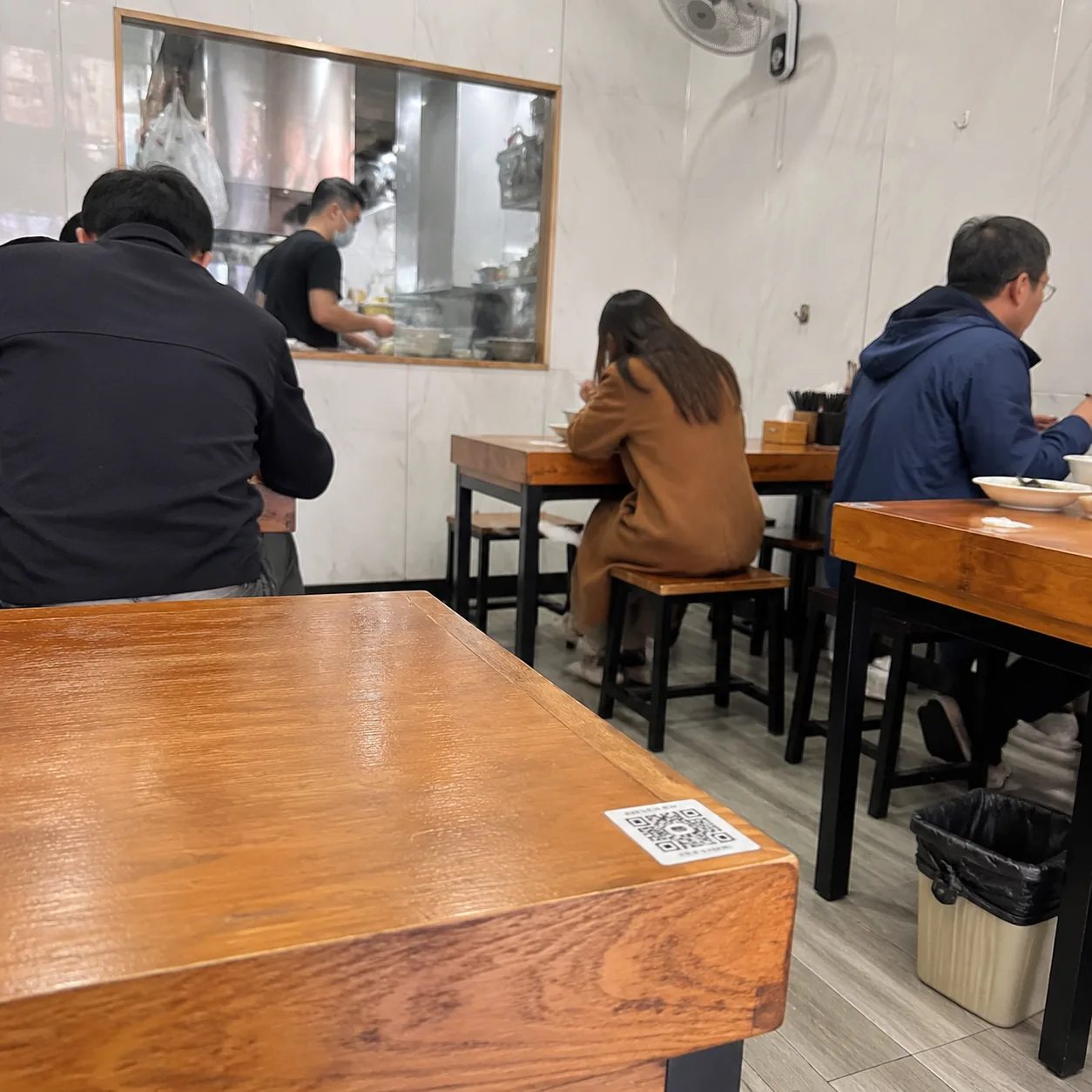
Halfway through the bowl, I heard an auntie at the next table say to her friend, “Check the name before you scan.” I did not look up at first, assuming she only meant the amount. But then she repeated, “You need to see whether the shop name is right too.” The sentence tapped my mind like a chopstick. I suddenly remembered that when I sat down, I had seen the QR code on the table, but I had not really thought about what name the payment page would show.
The auntie noticed me looking over and explained with a smile that she had almost scanned the wrong code somewhere else before. It was not a serious scam; an old code had not been fully removed from the table, and a new one had been pasted beside it, so she scanned the former owner’s payment code. The amount was small, but getting it back was troublesome, and both sides felt awkward. Since then, she always checked three things when paying: the shop name, the amount, and the confirmation sound.
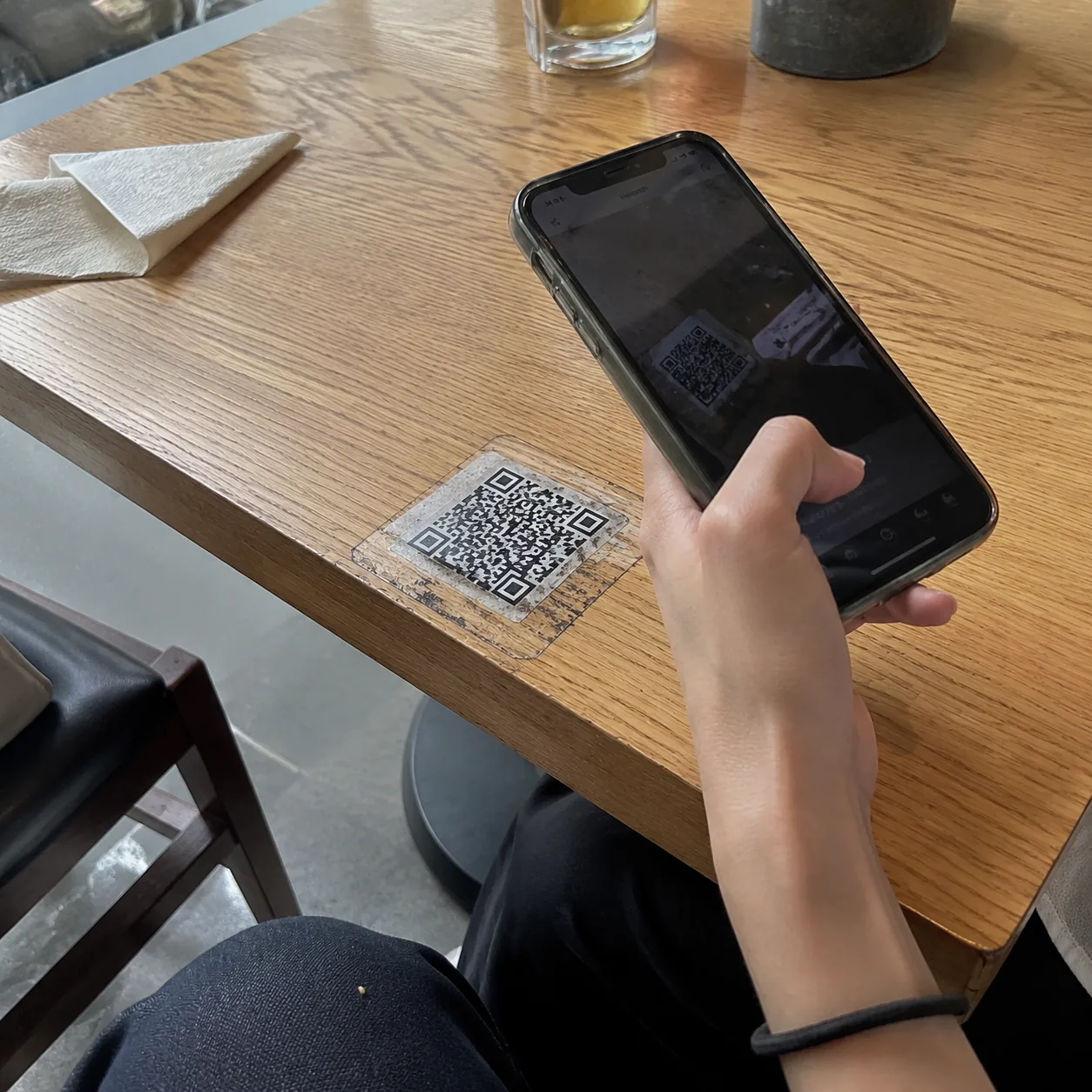
I felt slightly embarrassed and looked at the QR code on my own table. Its edge had lifted a little, four corners held down by clear tape, and there seemed to be marks of an older sticker underneath. I did not think there was anything wrong with the shop. The owner was busy cooking noodles for everyone. But I suddenly realized that trusting a small restaurant and carefully checking payment information were not contradictory. Checking was not about suspecting everyone; it was about being responsible to both myself and the shop.
I finished the last few bites, and the chili oil left a bright red ring at the bottom of the bowl. The owner asked from the window whether the flavor was enough and whether I wanted some soup. I said it was very good, then picked up my phone to pay. In the past, I would scan while standing up, hurriedly enter the amount, and worry about blocking people behind me. That day I did not rush. I scanned the table code while still seated, and when the page opened, the first thing I did was not enter eighteen yuan. It was check the payee name.
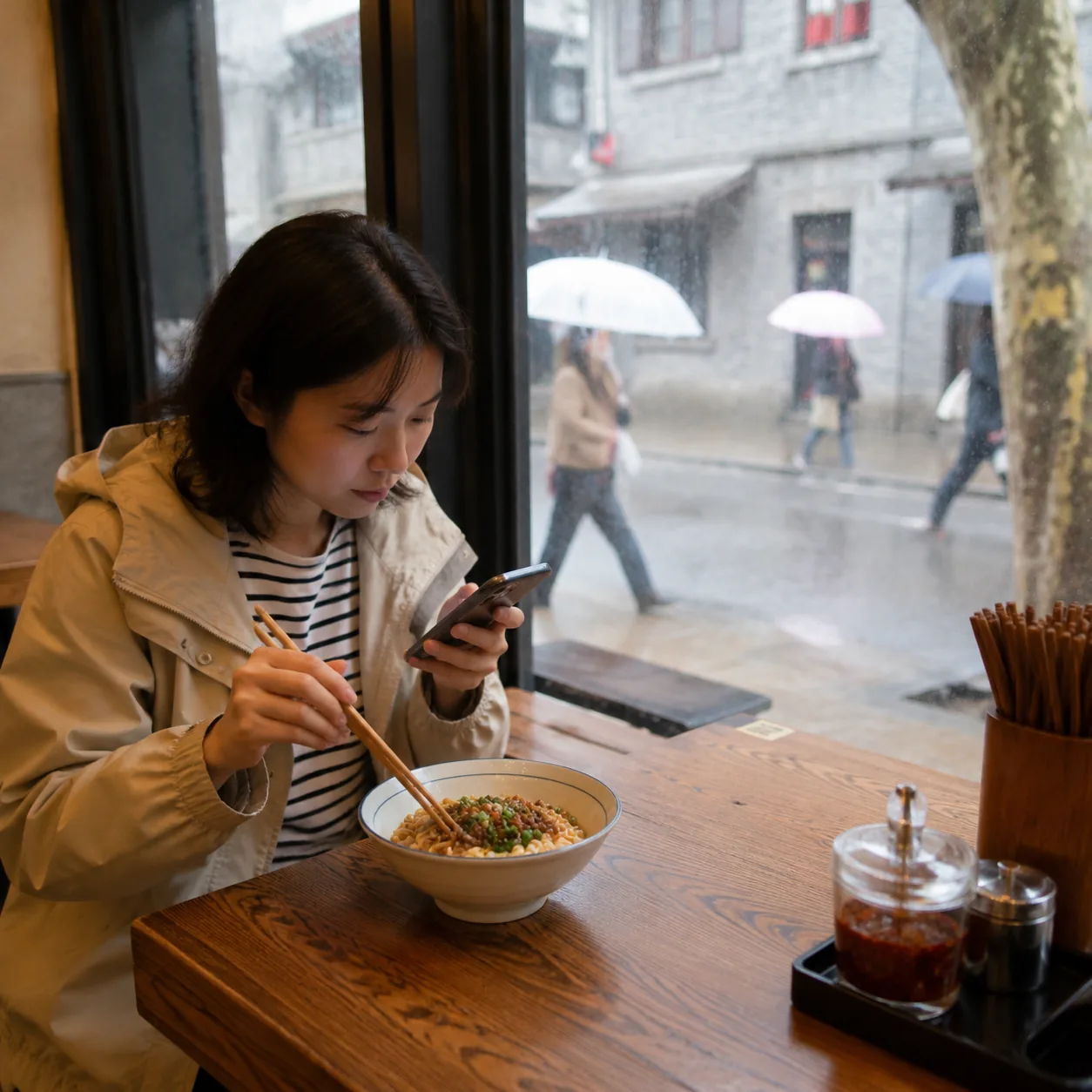
The page showed “Sister Chun Noodles.” I looked up at the business license on the wall, and the name matched. The price list beside the menu said dandan noodles were eighteen yuan. I entered the amount, checked the decimal point again, and only then confirmed. My phone made the successful payment sound, and the small speaker beside the window announced in a female voice, “Received eighteen yuan.” The owner looked up and said she had received it.
The whole process took only ten extra seconds, but it made me feel much steadier. The auntie beside me saw me checking carefully and nodded with a smile. “That is it. Not troublesome.” Her friend added that many small shops now rely on mobile payments. If a customer scans the wrong code, the owner has trouble too; if the owner does not hear the confirmation sound, the customer becomes nervous. When both sides confirm, the meal ends clearly.
I asked whether they were this careful every time. The auntie said it was not anxiety, just habit. She checked license plates in taxis, floor numbers on hotel key cards, scale numbers at vegetable markets, and payee names in restaurants. Travelers especially needed to slow down a little because they were not familiar with local shop names and did not always have a feel for prices. The less familiar you are, the less you should hide behind trying to look experienced.
That sentence hit me directly. When traveling in China, I sometimes wanted too much to avoid looking like a tourist. Other people scanned smoothly, so I wanted to scan smoothly too. Other people did not ask directions, so I tried not to ask. Other people picked up chopsticks and ate immediately, so I worried about moving slowly. But many mistakes happen exactly when I mistake speed for understanding and silence for politeness.
The owner passed by carrying a bowl of noodles and heard our conversation. She added, “Checking the name is right. Sometimes people sit outside, scan the bubble tea shop’s code next door, and then ask me why there was no sound.” She did not sound annoyed, only amused. On a small street, QR codes can be as dense as house numbers, with shops only a few steps apart. Scanning wrong does not always require a bad person; carelessness is enough.
After the meal I did not leave immediately, but stood at the doorway avoiding the rain. Delivery riders came and went, umbrellas leaned against the wall dripping water, and a small blackboard by the door said red oil wontons were available today. I watched new customers sit down, order, and pick up their phones to scan the table code. Some looked at the amount; some paid almost without looking. I suddenly wanted to remind them to check the shop name, but I was afraid of sounding meddlesome.
The owner seemed to notice my hesitation and pasted a new small note beside the payment code: “Please confirm before paying: Sister Chun Noodles.” She said this made things easier for foreign guests and elderly customers too. Looking at that line, I felt it was more useful than any complicated safety warning. It did not create fear; it simply put the thing to check right in front of people.
After the rain stopped in the afternoon, I went to nearby People’s Park. The teahouse was crowded, and there were QR codes on the tables there too, with payment reminders beside the teacups. When I bought a cup of gaiwan tea, the server pointed to the code, and I scanned it naturally. When the page opened, I checked the name first again. It matched the teahouse sign, and the amount was correct. Only after I heard the confirmation sound did I put my phone down. The action no longer felt deliberate, but as natural as closing an umbrella or zipping a bag.
Sitting in a bamboo chair drinking tea, I thought again of that bowl of dandan noodles. What stayed with me was not only the taste of red oil and Sichuan pepper, but also the reminder from that ordinary table-corner QR code. Much of the safety one feels while traveling does not come from big actions, but from small checks: look at the license plate before getting in, check the door number before entering, confirm the shop name before paying, and look at the direction before walking.
Later, eating in different cities, I grew more and more used to this order. Ask the price clearly first, then scan the official code. When the page opens, check whether the shop name matches the sign, menu, or cashier counter. When entering the amount, look at the decimal point. After paying, do not rush away; listen for the owner’s confirmation sound. If there is no sound, show the payment record instead of walking off while guessing.
These actions sound unromantic, even trivial. But travel is made of many trivial things. A smooth lunch, a payment without argument, and a transaction confirmed by both sides eventually become part of a good impression of a city. By contrast, one small mistaken payment can waste an entire afternoon in tension.
I no longer think that knowing how to scan a code means I “understand China.” Mobile payment is as convenient as air, and precisely because it is so convenient, it is easy to forget to notice where that air comes from. A table-corner QR code is not magic, and it is not automatically the correct answer. It is only a small door with a name written on it, and I finally learned to read that name before entering.
If someone traveling in China for the first time asks me what the most important mobile payment skill is, I will not first explain which button is where, and I will not praise how fast payment can be. I will tell them to slow down for ten seconds. Before scanning, see where the code is. After scanning, check the shop name. Before paying, check the amount. After paying, listen for the confirmation. These four actions do not make a person look foolish; they help a meal end cleanly.
I have forgotten some details of that bowl of dandan noodles in the Chengdu shop. I do not remember whether the bowl had a pattern, or exactly when the rain stopped outside the window. But I remember the little note the owner pasted beside the code, and I remember the auntie saying, “You need to see whether the shop name is right too.” It became a small travel rule, plain but reliable. Since then, before every mobile payment, I give myself those ten seconds. Not because I am afraid, but because I finally understand that real fluency often means being willing to confirm carefully.